
Türkiye Becomes Largest Middle East Economy in 2026 With $1.64 Trillion GDP Driven by Tourism
Türkiye has overtaken Saudi Arabia and the UAE to become the Middle East's largest economy in 2026, leveraging a $1.64 trillion GDP fueled by diversified industrial growth and a $68 billion tourism sector.

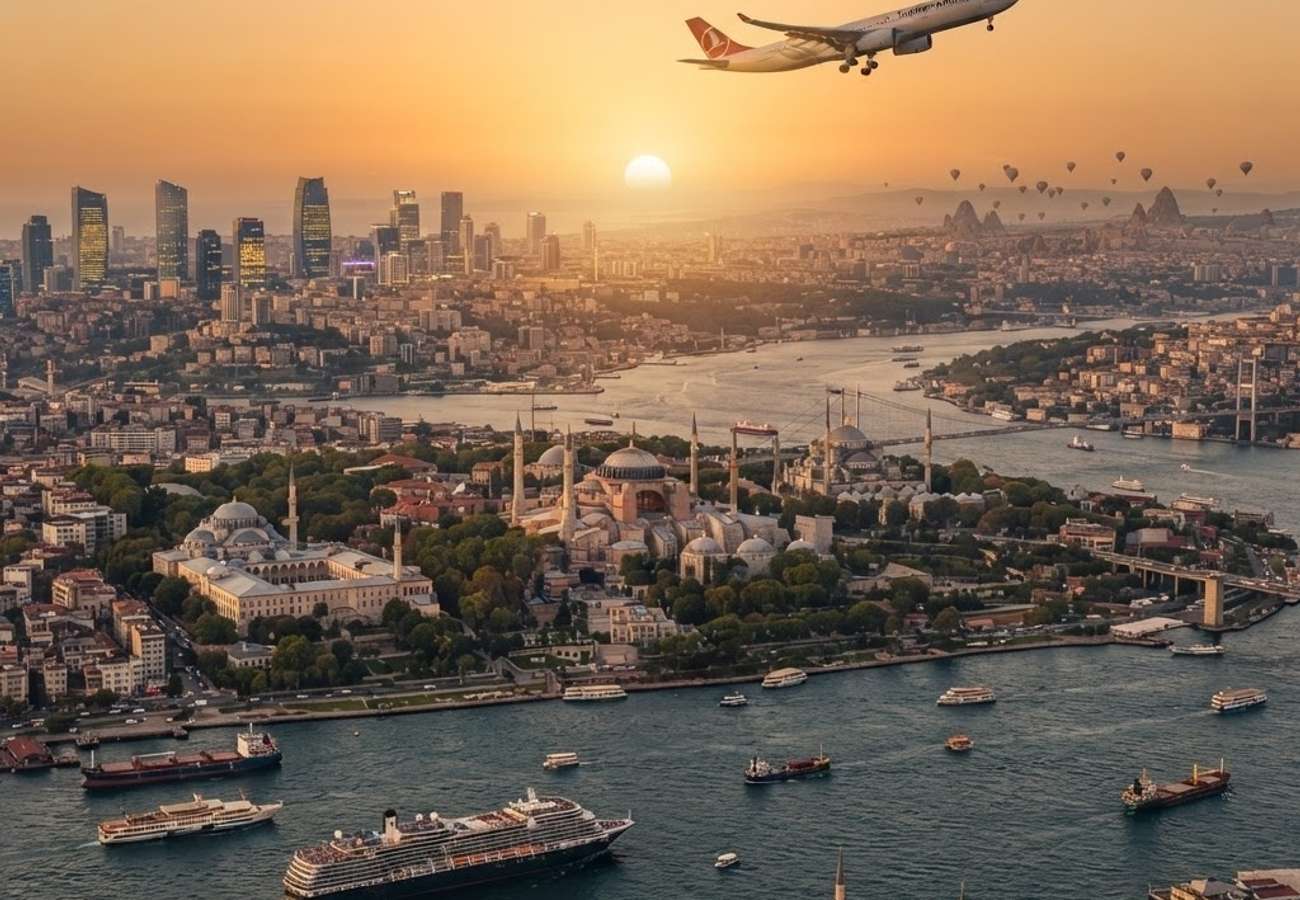
Image generated by AI
Türkiye has officially surpassed Saudi Arabia and the UAE to become the largest economy in the Middle East for 2026. With a GDP estimated at $1.64 trillion, the nation has pivoted from traditional resource dependency toward a diversified model centered on tourism, aviation, and industrial manufacturing.
The shift in regional economic leadership marks a transition where services and international trade now rival the influence of hydrocarbons. While Gulf nations continue to leverage oil and gas, Türkiye has successfully scaled a multi-sector growth engine that utilizes its unique position as the bridge between Europe, Asia, and the Middle East.
Regional GDP Rankings (2026 Estimates)
Our analysis of the current economic data shows Türkiye leading a competitive field of regional powers:
- Türkiye: $1.64 trillion
- Saudi Arabia: $1.40 trillion
- Israel: $720 billion
- United Arab Emirates: $622 billion
- Egypt: $430 billion
- Iran: $300 billion
- Iraq: $265 billion
- Qatar: $217 billion
- Kuwait: $173 billion
- Oman: $117 billion
Diversification Beyond Hydrocarbons
The core of Türkiye’s ascent is a strategic move away from single-source income. Unlike its neighbors, Türkiye has integrated several high-growth sectors to stabilize its GDP. These include automotive production, defense technology, financial services, digital industries, and logistics.
The country's proximity to European markets has accelerated exports in electronics, textiles, and machinery. This industrial capacity ensures that economic growth is not tied to volatile energy prices but is instead supported by global trade demand.
The $68 Billion Tourism Engine
Tourism has evolved into a primary economic weapon for the state. Official 2026 projections estimate tourism revenue will reach approximately $68 billion. The strength of this sector lies in its lack of seasonality; by diversifying its offerings, Türkiye maintains a steady flow of visitors year-round.
Key Tourism Segments Driving Revenue:
- Cultural & Historic: Istanbul and Ephesus.
- Leisure & Luxury: Mediterranean resorts in Antalya and coastal experiences.
- Niche Landscapes: Cappadocia’s unique geography.
- Specialized Services: Wellness, medical tourism, and religious travel.
- Infrastructure-led: Cruise and winter tourism.
Aviation as a Strategic Multiplier
Aviation connectivity serves as the logistical backbone for both trade and travel. Istanbul Airport has transitioned from a transit point to a global economic hub, facilitating international business, finance, and cargo.
The aggressive expansion of Turkish Airlines has allowed Türkiye to compete directly with the aviation hubs of Dubai, Doha, and Abu Dhabi. While the UAE remains a powerhouse via Emirates, Türkiye’s advantage is the integration of its aviation network with a massive internal manufacturing base and a mature tourism ecosystem.
Comparative Analysis: Türkiye vs. Regional Rivals
Industry observers note a distinct difference in how Türkiye is scaling compared to its peers:
Vs. Saudi Arabia: While Saudi Arabia is investing heavily in Vision 2030 and mega-projects to build a tourism industry from the ground up, Türkiye operates a mature, established network of hotels and international connections.
Vs. UAE: Dubai leads in futuristic luxury and business tourism. Türkiye competes through scale and diversity, blending modern infrastructure with deep historical heritage.
Other Regional Players: Egypt continues to rely on the Suez Canal and ancient heritage, while Qatar leverages natural gas wealth. Oman is increasingly pivoting toward sustainable, nature-based tourism in its mountains and deserts.
Transition to Sustainable Travel
To ensure long-term viability, Türkiye is implementing a sustainable tourism transformation. This strategy focuses on reducing environmental impact and protecting natural landscapes to attract the growing demographic of environmentally conscious travelers. This shift includes expanding eco-friendly accommodations and supporting local community-based tourism.
From a logistical perspective, this means a move away from mass-tourism saturation toward high-value, low-impact visitor management.
Türkiye's economic ascent proves that strategic diversification and aviation dominance can outweigh traditional energy wealth.
Related Travel Guides
Disclaimer
This article is for informational and educational purposes only. It does not constitute legal, financial, or professional advice. While we strive to provide accurate and up-to-date information, travel policies, regulations, and conditions change rapidly. Always verify information with official sources before making travel decisions. Nomad Lawyer makes no representations about the accuracy, reliability, completeness, or suitability of the information provided. Readers should consult qualified professionals for advice specific to their circumstances. The views expressed in this article are those of the author and do not necessarily reflect the views of Nomad Lawyer.
Raushan Kumar
Founder & Lead Developer
Full-stack developer with 11+ years of experience and a passionate traveller. Raushan built Nomad Lawyer from the ground up with a vision to create the best travel and law experience on the web.
Learn more about our team →