
Con Dao National Park Sea Turtle Conservation: Sustainable Ecotourism Guide for Vietnam 2026
Explore how Con Dao National Park protects 90 percent of Vietnam's sea turtles through innovative ecotourism programs and community-led conservation efforts in 2026.
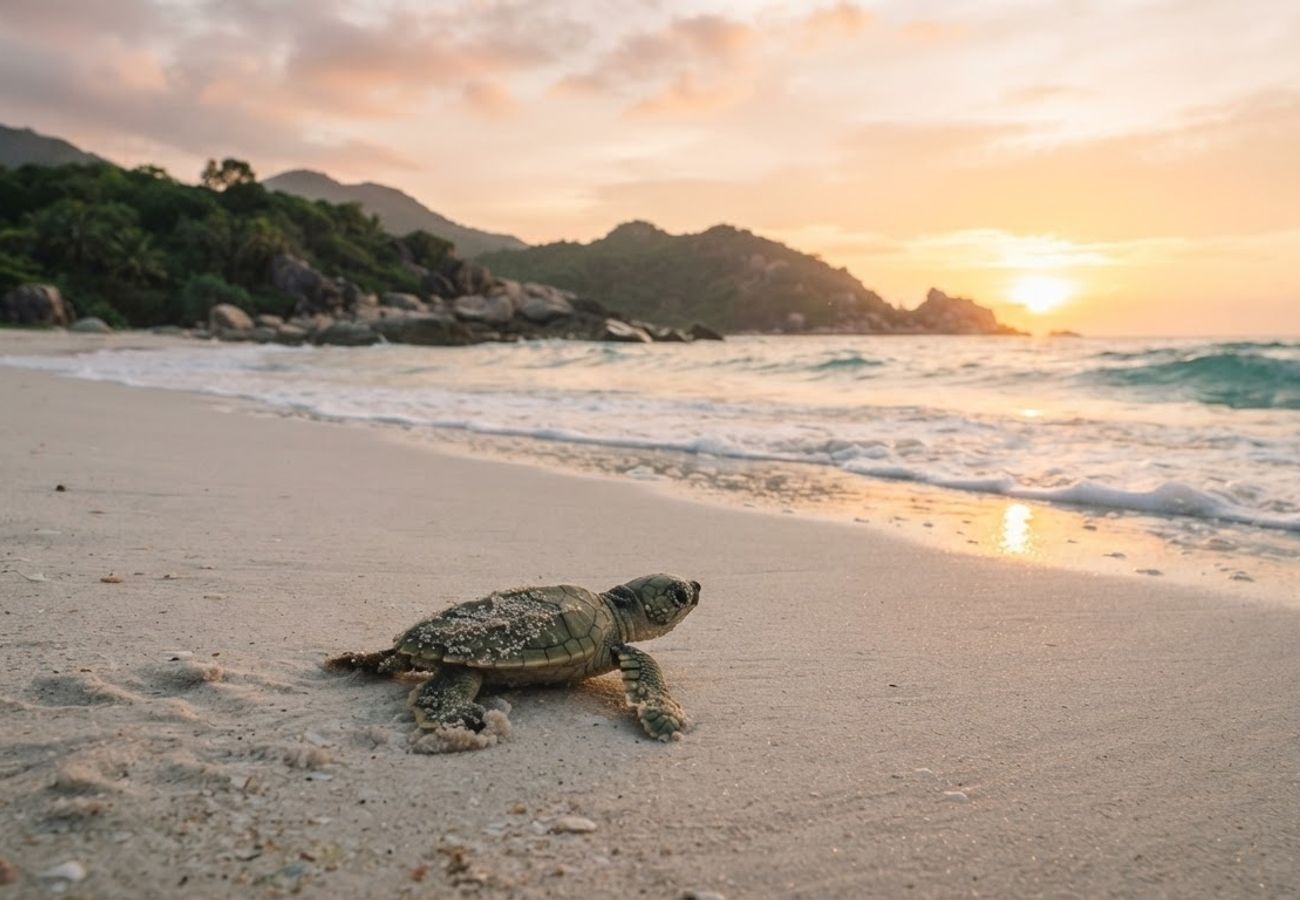
Image generated by AI
Vietnam's Con Dao archipelago now hosts approximately 90 percent of the nation's sea turtle population, transforming a historical site into a global benchmark for marine preservation.
Con Dao National Park serves as a critical sanctuary for marine biodiversity, blending profound historical significance with a rigorous commitment to ecological stability. The region's sandy beaches provide the essential tranquility required for mature mother turtles to nest, making it the most vital breeding ground in Vietnamese waters.
From May through October, adult turtles migrate across vast oceanic distances to reach these shores. Once eggs are deposited, the survival odds for offspring are stark; scientific data indicates that only one hatchling out of every 1,000 to 10,000 reaches adulthood. This fragility necessitates the highly structured intervention and protection programs currently managed by park authorities.
Transforming Tourism into Ecological Stewardship
Modern travel to Con Dao has shifted from passive sightseeing to active participation in wildlife preservation. Visitors no longer simply observe the landscape; they are integrated into the conservation process through educational experiences.
The most impactful of these activities is the supervised release of baby sea turtles. As dawn breaks, hatchlings emerge from protected incubation zones and navigate the sand toward the surf. This experience is designed to foster a personal connection between the traveler and the environment, moving the needle from traditional leisure toward active ecological mindfulness.
Structured Conservation Programs and Access
To prevent human interference from disrupting natural habitats, the park has implemented strict regulatory frameworks. Tourism is now funneled through specialized initiatives that merge leisure with science.
The "Nature Conservation Accompanying Sea Turtles" program is the primary vehicle for this integration. Under the guidance of professional park rangers, travelers can visit specific high-value conservation zones.
Primary Conservation Sites
- Bay Canh Island: A focal point for nesting and hatchling management.
- Cau Island: Key territory for monitoring marine biodiversity.
- Tai Island: Essential for studying nesting cycles and protection strategies.
By monetizing these guided experiences, the park generates essential financial resources to fund ongoing protection efforts, ensuring that the presence of tourists supports rather than hinders the ecosystem.
Community-Driven Philanthropy and Athletics
Conservation in Con Dao extends beyond the beaches and into the community through innovative fundraising. A prime example is the "Run for Sea Turtles" event, first established in 2022.
This athletic initiative utilizes scenic coastal courses during sunrise hours to attract thousands of participants. By offering various distance categories, the event appeals to a wide demographic of athletes and tourists, successfully raising substantial funds for animal protection. This model demonstrates how physical sports and environmental education can be synthesized to create a multifaceted attraction.
Evolution of Tourism Management in Con Dao
The approach to managing Con Dao has undergone a fundamental shift. Previously, the region relied on a model of "passive consumption," where historical exploration and unregulated leisure were the primary draws.
| Feature | Traditional Tourism Model | Modern Ecotourism Framework (2026) |
|---|---|---|
| Visitor Role | Passive Sightseer | Active Conservation Volunteer |
| Primary Focus | History and General Leisure | Marine Biodiversity & Habitat Restoration |
| Management Style | Unregulated Activity | Structured, Ranger-Led Programs |
| Economic Goal | Commercial Travel Revenue | Revenue Reinvested into Preservation |
| Public Engagement | Minimal Ecological Involvement | Integrated Charitable & Educational Events |
This transition indicates a progressive management style where the commercial value of the destination is derived directly from its success in environmental restoration.
Essential Visitor Guidelines
Travelers wishing to participate in conservation activities or athletic events must coordinate directly with authorized park administration bodies. Strict adherence to conservation guidelines is mandatory to ensure the survival of the nesting populations.
- Permits: Required for visits to restricted islands like Bay Canh.
- Timing: Peak nesting and hatching occur between May and October.
- Conduct: Strict "no-interference" policies are enforced by park rangers.
A shift from consumption to contribution is the only way to ensure the survival of Vietnam's most iconic marine species.
Related Travel Guides
Disclaimer
This article is for informational and educational purposes only. It does not constitute legal, financial, or professional advice. While we strive to provide accurate and up-to-date information, travel policies, regulations, and conditions change rapidly. Always verify information with official sources before making travel decisions. Nomad Lawyer makes no representations about the accuracy, reliability, completeness, or suitability of the information provided. Readers should consult qualified professionals for advice specific to their circumstances. The views expressed in this article are those of the author and do not necessarily reflect the views of Nomad Lawyer.