
Türkiye Expands Slow Tourism Network to 29 Cittaslow Towns Across Seven Regions as Inbound Arrivals Near 35 Million in 2026
Türkiye expands its slow tourism network to 29 Cittaslow towns across 24 provinces as Ortahisar joins, offering sustainable cultural alternatives as foreign visits reach 34.8M.

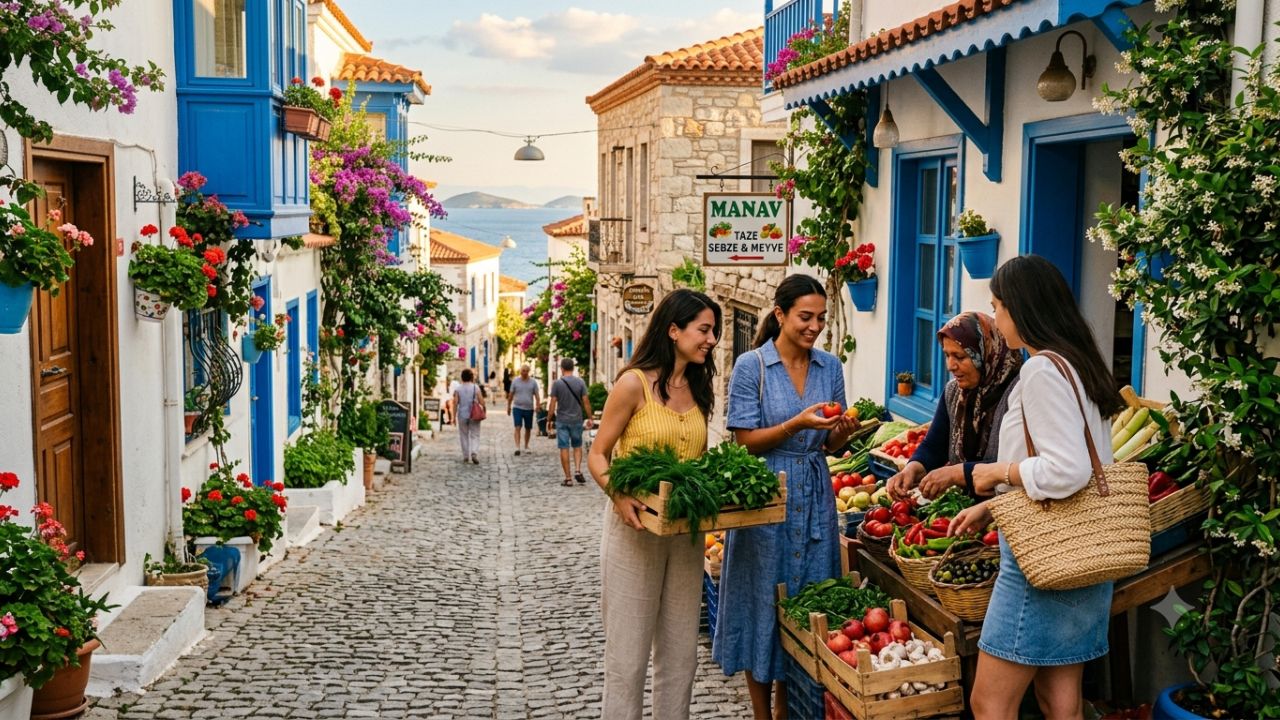
Image generated by AI
Türkiye has expanded its national slow tourism footprint to 29 certified Cittaslow towns across 24 provinces and seven geographical regions following the induction of Ortahisar in Cappadocia, establishing decentralized cultural and ecological travel corridors for international visitors. According to official border statistics from the Ministry of Culture and Tourism recording 34,826,677 foreign arrivals through August 2026, travelers from Russia, the United Kingdom, Bulgaria, Georgia, and Romania are increasingly exploring regional heritage routes beyond conventional coastal resorts.
The development marks a strategic shift within the Turkish travel sector toward geographically balanced, sustainable tourism. Originating in Greve in Chianti, Italy in 1999, the Cittaslow International movement recognizes municipalities with populations under 50,000 that commit to preserving cultural identity, architectural heritage, local culinary traditions, and environmental stewardship. Türkiye’s participation began in 2009 with Seferihisar in İzmir province. With Ortahisar’s recent accreditation, the network now spans from Thracian vineyards and Aegean fishing harbors to the alpine forests of Artvin and the historic lakefronts of Eastern Anatolia.
Inbound Tourism Statistics: 34.8 Million Foreign Visitors Drive Regional Dispersal
Official border data released by the Republic of Türkiye Ministry of Culture and Tourism demonstrate robust international demand through the late summer season. Between January and August 2026, Türkiye recorded 34,826,677 foreign visitor arrivals, maintaining stable throughput compared with 35,481,223 arrivals registered in the corresponding eight-month period of 2025.
Core European and neighboring source markets generated the overwhelming majority of inbound passenger movements:
- Russia (Rank 1: 4,717,814 Arrivals): Maintained its lead as the largest feeder market, with travelers diversifying from Antalya beach clubs into inland retreats such as Eğirdir’s Lake District and Demre’s Lycian archaeological sites.
- United Kingdom (Rank 2: 2,714,652 Arrivals): Delivered substantial visitor numbers seeking cultural itineraries, independent boutique stays, and hiking routes connecting Ortahisar in Cappadocia with Aegean destinations like Akyaka and Seferihisar.
- Bulgaria (Rank 3: 1,738,991 Arrivals): Benefited from direct road proximity into Eastern Thrace, generating high cross-border mobility into Vize, Şarköy, and historic Ottoman settlements in Bolu and Karabük.
- Georgia (Rank 4: 896,574 Arrivals): Served as an immediate feeder market for northeastern Anatolia, accessing mountain retreats in Şavşat (Artvin) and Uzundere (Erzurum) via the Black Sea coastal corridor.
- Romania (Rank 5: 782,714 Arrivals): Represented a growing source of road-tripping holidaymakers exploring historical Byzantine and Ottoman heritage across Thrace, Marmara, and western Anatolian towns.
Complete 2026 Directory: All 29 Cittaslow Destinations Across Türkiye
The 29 certified Cittaslow settlements in Türkiye represent an authentic mosaic of Anatolian architecture, archaeological monuments, and localized agricultural practices. The table below details each municipality, its provincial location, geographical region, and primary visitor attributes:
| Cittaslow Municipality | Province | Geographical Region | Primary Cultural & Environmental Attributes |
|---|---|---|---|
| Ahlat | Bitlis | Eastern Anatolia | Monumental 12th-century Seljuk tombstones; Lake Van shoreline vistas |
| Akyaka | Muğla | Aegean Region | Crystal-clear Azmak River springs; Ula-style traditional wooden architecture |
| Arapgir | Malatya | Eastern Anatolia | Preserved historic stone mansions; traditional mulberry agriculture and regional cuisine |
| Çameli | Denizli | Aegean Region | Highland pine plateaus; paragliding, canyon trekking, and rural village crafts |
| Daday | Kastamonu | Black Sea Region | Dense fir forests; historic timber equestrian estates and rural organic markets |
| Demre | Antalya | Mediterranean Region | Ancient Lycian rock tombs of Myra; historical Saint Nicholas Church |
| Eğirdir | Isparta | Mediterranean Region | Freshwater lake recreation; historic Yeşil Ada island and Byzantine remnants |
| Finike | Antalya | Mediterranean Region | Famed aromatic citrus orchards; quiet Mediterranean coastal promenades |
| Foça | İzmir | Aegean Region | Traditional Aegean stone fishing harbor; Mediterranean monk seal sanctuaries |
| Gerze | Sinop | Black Sea Region | Coastal fishing heritage; traditional Tuesday farmers markets and wooden handicrafts |
| Gökçeada | Çanakkale | Marmara / Aegean | Pristine island village settlements; organic olive oil production and windsurfing bays |
| Göynük | Bolu | Black Sea Region | 20th-century Ottoman clock tower; registered timber-framed townhouses |
| Güdül | Ankara | Central Anatolia | Kirmir River canyon caves; traditional Central Anatolian mudbrick architecture |
| Halfeti | Şanlıurfa | Southeastern Anatolia | Sunken city of Old Halfeti along the Euphrates River; rare black roses |
| İbradı | Antalya | Mediterranean Region | Historic stone and cedar "button houses" (düğmeli evler); Altınbeşik Cave |
| İznik | Bursa | Marmara Region | Lakeside Byzantine walls; world-renowned ceramic tile artisan workshops |
| Kemaliye | Erzincan | Eastern Anatolia | Karanlık (Dark) Canyon boat transits; stone-and-timber tiered architecture |
| Köyceğiz | Muğla | Aegean Region | Köyceğiz Lake wetlands; Sultaniye thermal mud baths and citrus groves |
| Mudurnu | Bolu | Black Sea Region | Historic Ahi trade guild traditions; multi-story Ottoman merchant residences |
| Ortahisar (29th Member) | Nevşehir | Central Anatolia | Colossal rock-cut fortress; traditional cave storage dwellings in Cappadocia |
| Perşembe | Ordu | Black Sea Region | Scenic coastal promontories; Cape Jason maritime history and anchovy fisheries |
| Safranbolu | Karabük | Black Sea Region | UNESCO World Heritage cobblestone quarters; world-capital of saffron farming |
| Şarköy | Tekirdağ | Marmara Region | Coastal Thracian olive groves; historic viticulture corridors and wind-protected beaches |
| Şavşat | Artvin | Black Sea Region | Karagöl-Sahara National Park; alpine wooden chalet hamlets and spruce forests |
| Seferihisar (1st Member) | İzmir | Aegean Region | Sığacık castle market; ancient Teos ruins and local mandarin farming |
| Uzundere | Erzurum | Eastern Anatolia | Tortum Waterfall (48m drop); outdoor rafting, birdwatching, and alpine valleys |
| Vize | Kırklareli | Marmara Region | Preserved Roman amphitheater; Byzantine Little Hagia Sophia (Gazi Süleyman Paşa) |
| Yalvaç | Isparta | Mediterranean Region | Archaeological ruins of Pisidian Antioch; historic Saint Paul pilgrimage route |
| Yenipazar | Aydın | Aegean Region | Regional culinary center famous for traditional pide; rural fertile valley farming |
Regional Travel Itineraries for International Source Markets
The geographical dispersion of Türkiye’s Cittaslow towns enables tour operators and independent travelers to craft themed, multi-destination regional circuits:
1. The Northeastern Alpine Corridor (For Georgian and Eastern European Hikers)
Beginning from the Sarp/Sarpi border crossing, travelers can link Şavşat’s high-altitude national parks in Artvin with the plunging cascade of Tortum Waterfall in Uzundere (Erzurum). Continuing westward along the Black Sea coastal highway, visitors encounter the traditional fishing ports of Perşembe in Ordu and Gerze in Sinop, offering a cool, verdant alternative to southern beach tourism.
2. The Thracian Heritage & Wine Route (For Bulgarian and Romanian Road-Trippers)
Entering via Kapıkule (Edirne), holidaymakers can visit Vize in Kırklareli to examine its Roman theatre and Byzantine monuments before driving south through the vineyards of Şarköy on the Sea of Marmara. Continuing across the Çanakkale 1915 Bridge grants ferry access to the island of Gökçeada or eastward connection toward the historic ceramic guilds of İznik.
3. The Aegean Slow Food & Archaeology Trail (For UK and Western European Travelers)
Departing from İzmir’s Adnan Menderes Airport, this circuit links Seferihisar’s organic Sunday markets and Teos ruins with Foça’s stone harbors. Driving south past Aydın's culinary hub at Yenipazar leads directly into Muğla’s protected wetlands at Köyceğiz and the traditional riverside wooden architecture of Akyaka.
4. The Central Anatolian Heritage & Cappadocia Loop (For Cultural Enthusiasts)
Starting from Ankara, travelers explore Güdül’s canyon caves and Bolu’s historic Ottoman townscapes at Göynük and Mudurnu. Passing through UNESCO-listed Safranbolu, the route heads south into Cappadocia, anchoring at newly certified Ortahisar, where visitors can stay in restored cave hotels and explore ancient troglodyte valley paths away from tour-bus concentrations.
Traveler Logistics Guide: High-Speed Rail Corridors, Regional Airports, and Car Rentals
Navigating Türkiye's Cittaslow destinations requires tailored transport arrangements depending on regional geography:
- TCDD High-Speed Rail (YHT) Networks: Travelers based in Istanbul or Ankara can utilize high-speed bullet trains to access regional gateways. The Istanbul–Ankara YHT line stops at Bilecik and Arifiye (Sakarya), providing direct access to shared minibuses (dolmuş) serving Göynük and Mudurnu. The line also connects to Eskişehir, from where rental cars can reach Güdül or Safranbolu in under two hours.
- Regional Gateway Airports:
- Northeast / Black Sea: Rize-Artvin Airport (RZV) provides the closest commercial air access to Şavşat (approx. 2.5 hours by car), while Erzurum Airport (ERZ) serves Uzundere (1 hour).
- Lake District / Mediterranean: Isparta Süleyman Demirel Airport (ISE) and Denizli Çardak Airport (DNZ) provide domestic connections to Eğirdir, Yalvaç, and Çameli.
- Cappadocia: Nevşehir Kapadokya Airport (NAV) and Kayseri Airport (ASR) offer multiple daily flights from Istanbul, located just 35 and 65 minutes respectively from Ortahisar.
- Eastern Anatolia: Van Ferit Melen Airport (VAN) connects directly to Ahlat along the northern shore of Lake Van via modern lakeside dual-carriageway roads.
- Rental Vehicles and Highway Toll (HGS) Systems: Exploring small rural settlements requires private car hire. All rental cars in Türkiye come equipped with an electronic HGS (Hızlı Geçiş Sistemi) toll transponder. Toll fees on modern expressways (such as the Northern Marmara Motorway or O-5 Istanbul–İzmir Highway) are billed automatically by rental agencies upon vehicle return.
- Overland Bus Transit Options: For budget-conscious independent travelers, Türkiye’s intercity coach network (featuring operators like Kamil Koç, Pamukkale, and Metro Turizm) offers comfortable long-distance travel with onboard Wi-Fi and refreshments between major provincial capitals and district junctions.
Sustainable Tourism Development: Protecting Heritage and Local Economy
The expansion of the Cittaslow network establishes an operational blueprint for mitigating overtourism in Türkiye's high-density hotspots. By redirecting tourist traffic into secondary agricultural towns, the initiative distributes economic yields directly to local family-owned guesthouses, artisan cooperatives, and regional farmers.
However, municipal leaders emphasize that slow tourism requires strict zoning and conservation safeguards. Preserving the architectural authenticity of Safranbolu's timber mansions, safeguarding Köyceğiz's sensitive wetlands, and preventing over-commercialization around Ortahisar's historic castle remain paramount. By prioritizing small-group cultural travel, authentic regional gastronomy, and longer visitor dwell times, Türkiye ensures its historical and natural treasures remain protected for future generations.
FAQ: Türkiye's 29 Cittaslow Towns and Slow Tourism
What is a Cittaslow town?
A Cittaslow town is a certified municipality with a population under 50,000 that belongs to the international slow city network, committed to preserving local culture, traditional architecture, sustainable agriculture, and community wellbeing.
How many Cittaslow towns are there in Türkiye in 2026?
There are currently 29 certified Cittaslow towns and districts distributed across 24 provinces and all seven geographical regions of Türkiye, with Ortahisar in Cappadocia being the 29th member.
What was the first Cittaslow town in Türkiye?
Seferihisar, located in İzmir province on the Aegean coast, became Türkiye's first certified Cittaslow destination in 2009.
Which countries send the most tourists to Türkiye?
According to Ministry of Culture and Tourism data for January–August 2026, the leading international source markets are Russia (4.71 million arrivals), the United Kingdom (2.71 million), Bulgaria (1.73 million), Georgia (896,574), and Romania (782,714).
Related Travel Guides
Türkiye Opens 153 Km Çerkezköy–Kapıkule Railway to Bulgaria to Slash Istanbul Travel Times in 2026
The 10 Best Hidden Towns and Slow Travel Routes in Türkiye, According to Reddit
Disclaimer
This article is for informational and educational purposes only. It does not constitute legal, financial, or professional advice. While we strive to provide accurate and up-to-date information, travel policies, regulations, and conditions change rapidly. Always verify information with official sources before making travel decisions. Nomad Lawyer makes no representations about the accuracy, reliability, completeness, or suitability of the information provided. Readers should consult qualified professionals for advice specific to their circumstances. The views expressed in this article are those of the author and do not necessarily reflect the views of Nomad Lawyer.
Naina Thakur
Contributor & Travel Specialist
Travel enthusiast and legal writer covering visa regulations, responsible tourism, and cultural journeys across global destinations.
Learn more about our team →