
Türkiye Transforms Coastal Luxury Travel Identity as Five-Star Retreats Expand Across İzmir and Trabzon: What Every Traveller Must Know
Türkiye shifts toward high-yield luxury tourism with five-star coastal retreats across İzmir, Trabzon, Bodrum, and Antalya, driving $56.3B in travel receipts.

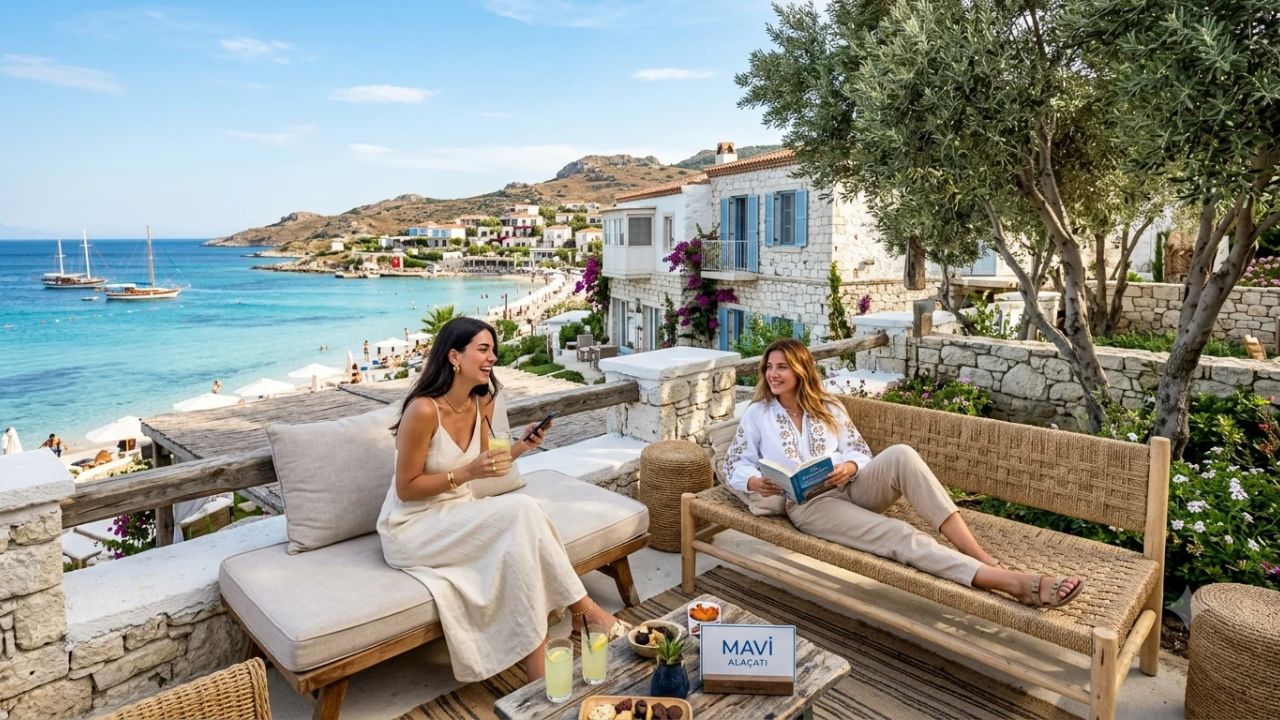
Image generated by AI
A comprehensive transformation is reshaping Türkiye coastal luxury travel, as state authorities and private developers pivot away from mass, volume-heavy tourism to construct an ultra-high-yield ecosystem anchored by five-star retreats in İzmir and Trabzon. Backed by official statistics from the Presidency of the Republic of Türkiye Investment Office, the Ministry of Culture and Tourism, and the Türkiye Tourism Promotion and Development Agency (TGA), national tourism receipts climbed to $56.3 billion alongside 60.6 million international arrivals. By deploying state incentives—such as tax relief, discounted utility tariffs, and subsidized land leases—the nation is expanding luxury accommodations across more than 21,900 certified establishments offering over 1,019,000 certified rooms, lifting average per-visitor expenditure to $972. Discerning travelers must prepare for a fundamentally elevated hospitality landscape characterized by low-density eco-concessions, strict 15% to 20% land-use zoning caps, and world-class nautical and culinary routes.
[!NOTE] Quick Summary: Key Developments at a Glance
- Macroeconomic Tourism Expansion: National travel revenues surged to $56.3 billion from 60.6 million foreign visitors, lifting average per-traveler spending to $972 across 1,019,000+ certified rooms.
- Aegean Sustainable Living in İzmir: The peninsulas of Çeşme, Alaçatı, and the vineyard haven of Urla feature low-density stone mansions, organic agritourism, and Michelin-recognized dining commands exceeding $1,000 per night.
- Black Sea Nature-Luxe in Trabzon: Direct flights from the Gulf Cooperation Council (GCC) fuel demand for coastal five-star hotels and private highland chalets across Uzungöl and the Huser Plateau, with GCC arrivals expanding 14% to 19% annually.
- Boutique Superyacht Infrastructure: Maritime expenditure in Bodrum, Fethiye, and Çeşme crossed $1.4 billion, with Yalıkavak Marina berthing mega-yachts exceeding 100 meters and generating $250 to $400 in daily onshore spend per passenger.
- Specialized Health and Wellness Engine: Health tourism generated over $2.3 billion from 1.5 million medical travelers, supported by 50+ JCI-accredited hospitals and 1,500+ thermal spa facilities.
State master planners are deliberately engineering this transition to balance geographic tourist distribution and insulate coastal ecosystems from peak-season crowding. By extending luxury assets beyond conventional hotspots into the Aegean vineyards of İzmir and the alpine Black Sea valleys of Trabzon, Türkiye is attracting high-net-worth individuals (HNWIs), yachting enthusiasts, and eco-conscious wellness travelers who demand world-class standards and environmental sustainability.
Five-Star Coastal Expansion: İzmir Aegean Riviera vs. Trabzon Black Sea Corridors
The primary geographic drivers of this high-yield transformation are İzmir on the Aegean coast and Trabzon along the Black Sea, each offering distinct luxury models tailored to specific international demographics.
In İzmir Province, tourism authorities have developed a refined, sustainable Mediterranean lifestyle hub. Direct air connections via İzmir Adnan Menderes Airport (ADB) funnel European and domestic affluent travelers directly into the coastal enclaves of Çeşme and Alaçatı, where master-planned deep-water marinas, private estates, and meticulously restored stone-mansion retreats provide an exclusive alternative to mass-market resort strips. Further inland along the coast, Urla has evolved into a premier vineyard and gastronomy corridor. Boasting organic olive oil estates, boutique vineyards, and farm-to-table dining recognized by the Michelin Guide, Urla commands premium accommodation rates surpassing $1,000 per night.
Conversely, Trabzon functions as the northern anchor for Türkiye’s Black Sea nature-luxe ecosystem. Capitalizing on direct international connections into Trabzon International Airport (TZX), the province attracts affluent families from Gulf Cooperation Council (GCC) nations—including Saudi Arabia, the United Arab Emirates, Qatar, and Kuwait—who seek cooler summer microclimates, emerald alpine landscapes, and secluded retreats. Leading coastal five-star properties such as Panagia Premier and Zorlu Grand interface seamlessly with private chalet and luxury bungalow clusters in high-altitude corridors like Uzungöl and the Huser Plateau, where natural mineral springs and pristine mountain air define the wellness experience.
| Luxury Destination Hub | Geographic Region | Signature Luxury Assets | Target Demographics | Average Spend & Pricing Benchmarks |
|---|---|---|---|---|
| İzmir (Çeşme, Alaçatı, Urla) | Aegean Riviera | Boutique vineyard lodges, restored stone mansions, Michelin dining | European HNWIs, wine connoisseurs, yacht owners | Premium stays >$1,000/night; 35% higher culinary spend |
| Trabzon (Uzungöl, Huser) | Black Sea Highlands | Five-star coastal hotels, alpine chalets, mineral thermal wellness | GCC families, eco-adventurers, mountain trekkers | 14%–19% annual GCC visitor growth; high seasonal ADR |
| Bodrum Peninsula | Southwestern Turquoise Coast | Yalıkavak Marina (>100m yachts), Mandarin Oriental, Edition, Amanruya | Jet-set elite, global celebrities, superyacht charters | >$1.4B marina expenditure; $250–$400 daily onshore spend |
| Istanbul Waterfront | Bosphorus Strait | Çırağan Palace Kempinski, Peninsula, Galataport, Nişantaşı retail | Global luxury delegates, cultural travelers, cruise voyagers | Europe's busiest hub (>75M pax); top regional ADRs |
| Antalya (Belek, Kemer, Lara) | Mediterranean Coast | Regnum Carya, Maxx Royal, championship golf, medical wellness | Golf enthusiasts, sports conditioning, luxury families | 577 Blue Flag certified beaches; year-round golf occupancy |
Complementing these emerging corridors, Istanbul remains the epicenter of Bosphorus waterfront opulence with standard-setting Average Daily Rates at properties like Çırağan Palace Kempinski, Four Seasons Bosphorus, and The Peninsula Istanbul. Along the Turquoise Coast, Bodrum maintains its standing as the Mediterranean's superyacht capital, anchored by deep-water berths at Yalıkavak Marina and ultra-luxury hideaways like Amanruya and Maxx Royal Bodrum. In Antalya, master-planned grandeur dominates Belek and Lara, pairing championship golf courses with certified Blue Flag coastal management.
Strict Environmental Regulations and Low-Density Resort Concessions
Unlike historical developments that prioritized high-density volume, Türkiye’s contemporary luxury model is governed by rigorous ecological zoning standards. The Ministry of Culture and Tourism and the TGA enforce strict environmental compliance frameworks to ensure that luxury expansion aligns with Global Sustainable Tourism Council (GSTC) criteria:
- 15% to 20% Land-Use Coverage Caps: For all newly awarded luxury real estate and hotel concessions, municipal zoning regulations enforce strict low-density caps, restricting built footprint coverage to a maximum of 15% to 20% of the total plot area, ensuring extensive natural buffer zones.
- Architectural Height and Coastal Setback Limits: In sensitive coastal enclaves like Bodrum and Çeşme, strict horizontal architectural height limits preserve natural ridge lines, preventing high-rise visual pollution.
- Third Globally in Blue Flag Beaches: Türkiye ranks third in the world with 577 certified Blue Flag beaches, mandating comprehensive marine water testing, coastal biodiversity preservation, and sustainable public access.
- Renewable Energy and Zero-Waste Mandates: Concessionaires receive state utility discounts and tax credits only upon certifying 100% renewable energy integration, greywater recycling, and closed-loop zero-waste management across resort operations.
These regulatory safeguards ensure that five-star hospitality developments protect delicate marine and terrestrial ecosystems while assuring high-net-worth travelers of responsible environmental stewardship.
What Authorities Are Saying: State Investment Incentives and Policy Directives
The Presidency of the Republic of Türkiye Investment Office and the Ministry of Culture and Tourism have framed luxury tourism as a primary engine for national economic resilience. State officials emphasize that moving the national average spend toward four figures per visitor generates sustainable employment, strengthens municipal budgets, and reduces public infrastructure burdens compared to low-cost all-inclusive mass tourism.
To accelerate private capital mobilization, the government offers a comprehensive package of statutory incentives for developers constructing certified five-star and boutique eco-retreats. These include discounted utility tariffs, corporate tax reductions, customs duty exemptions on high-efficiency technological imports, and streamlined long-term land allocation processes for properties meeting GSTC sustainability benchmarks.
Practical Travel Advice for Navigating Türkiye’s Luxury Coastal and Wellness Enclaves
Travelers seeking bespoke experiences across Türkiye’s Aegean, Black Sea, and Mediterranean luxury hubs should consider several practical logistics:
- Leverage Specialized Regional Flight Gateways: Bypass congested metropolitan transfers by booking direct flights into regional international terminals. Fly into İzmir Adnan Menderes Airport for Çeşme and Urla, Milas-Bodrum Airport for Turquoise Coast yacht charters, or Trabzon International Airport for Black Sea highland excursions.
- Book Gastronomy and Vineyard Stays Months Ahead: With fewer than two dozen Michelin Guide-recognized establishments in Urla and İzmir operating limited boutique covers, reserve fine-dining tables and vineyard suites at least 60 to 90 days in advance, especially during the autumn grape harvest.
- Verify Superyacht Berthing Availability Early: Due to high seasonal congestion along the Aegean yachting circuit, captains and charter guests targeting Yalıkavak Marina or Setur Marinas should confirm deep-water berth reservations well ahead of peak summer navigation windows.
- Access JCI-Accredited Thermal Spa Programs: International travelers seeking wellness therapies should book integrated packages that combine medical consultations at JCI-accredited hospitals with thermal mineral baths in İzmir, Afyon, or Bursa, where medical visa coordination streamlines arrivals.
- Prepare for Altitude and Microclimate Shifts in Trabzon: While Aegean and Mediterranean resorts offer balmy maritime conditions, highland corridors like Uzungöl and Huser Plateau feature sharp temperature drops, dense morning fogs, and sudden mountain rains. Pack thermal layers and all-weather outerwear even in midsummer.
Specialized Economic Pillars: Health, Nautical, MICE, and Real Estate
The macroeconomic impact of Türkiye’s luxury transformation is underpinned by six high-yielding specialized sectors:
1. Medical and Wellness Tourism
Generating over $2.3 billion annually, health tourism welcomes more than 1.5 million international patients. Health tourists spend between $380 and $520+ per day—substantially outspending conventional vacationers. The sector is anchored by over 50 JCI-accredited hospitals and 1,500+ thermal spa facilities that exploit curative mineral waters across İzmir, Afyon, and Bursa.
2. Deep-Water Nautical and Superyacht Economy
Yachting and marina expenditures across Bodrum, Fethiye, and Çeşme exceed $1.4 billion annually. Marinas equipped to berth mega-yachts over 100 meters generate $250 to $400 in daily onshore spend per passenger, providing a major financial injection into high-end retail and private concierge networks.
3. Michelin Gastronomy and Agritourism
With more than 20 Michelin Guide-selected restaurants across Istanbul, İzmir, and Urla, culinary travelers generate average transaction values 35% higher than standard food-and-beverage receipts, elevating regional agricultural terroirs into luxury draws.
4. MICE and High-Level Corporate Conventions
Corporate travel welcomes 4.2 million MICE delegates annually, generating $8.7 billion in conference revenues. Delegates spend 3.1 times more per day ($380 to $520 nightly) than independent leisure flyers, filling major convention halls like the Istanbul Congress Center across more than 300 international congresses annually.
5. Citizenship by Investment and Branded Residences
With a minimum qualifying real estate threshold of $400,000, the citizenship-by-investment scheme drives foreign direct property investment exceeding $6 billion annually. Branded residences—including Mandarin Oriental and The Ritz-Carlton—command average five-star rates over $187 per night, while property acquisition costs remain 40% to 60% below equivalent French or Spanish Riviera assets.
6. Modernized Cruise Port Infrastructure
Over 2.4 million cruise passengers visit Turkish ports annually. Facilities like Galataport Istanbul and Kuşadası (the gateway to Ephesus) generate average onshore spending of $147+ per passenger, with elite private excursions exceeding $500+ per guest.
Looking Ahead: Long-Term Infrastructure Pipelines and Market Outlook
The future pipeline for Türkiye's luxury sector emphasizes continued diversification and infrastructure refinement. With Istanbul Airport already functioning as Europe's busiest transit nexus—processing over 75 million passengers annually across 340+ global destinations—secondary airports in İzmir, Trabzon, and Antalya are expanding international gates to accommodate expanding wide-body schedules from North America and Asia.
Simultaneously, second-phase luxury developments under construction in Urla, Çeşme, and the Trabzon highlands are projected to add thousands of low-density, eco-certified rooms over the coming three years. By merging deep cultural heritage with avant-garde sustainability and specialized luxury niches, Türkiye is cementing its standing as an indispensable year-round sanctuary for the global luxury traveler.
Frequently Asked Questions: Türkiye Coastal Luxury Tourism Expansion
Why is Türkiye shifting its focus toward high-yield luxury tourism?
Türkiye is deliberately targeting higher per-visitor expenditure ($972 average) to increase total national tourism revenue ($56.3 billion) while mitigating seasonal overtourism and reducing infrastructure strain on coastal environments.
What differentiates İzmir from traditional Mediterranean resort destinations?
İzmir emphasizes low-density, sustainable coastal developments, restored stone mansions in Çeşme and Alaçatı, organic vineyard retreats in Urla, and Michelin-starred gastronomy rather than high-density, all-inclusive mega-resorts.
How does Trabzon cater to high-spending international travelers?
Trabzon offers cooler Black Sea climates, luxury five-star coastal properties like Panagia Premier and Zorlu Grand, direct international flight connections from GCC capitals, and private alpine chalets in scenic corridors like Uzungöl and the Huser Plateau.
Which Turkish destination serves as the capital for superyacht and maritime luxury?
Bodrum is the primary superyacht capital along the Turkish Turquoise Coast, anchored by deep-water berths at Yalıkavak Marina capable of handling mega-yachts exceeding 100 meters, paired with luxury resorts like Mandarin Oriental and Amanruya.
What government incentives are available for luxury hospitality developers in Türkiye?
The Turkish government provides corporate tax reductions, customs duty exemptions, discounted utility tariffs, and streamlined land-leasing procedures for developers constructing eco-certified five-star resorts meeting GSTC environmental criteria.
Related Travel Guides
Disclaimer
This article is for informational and educational purposes only. It does not constitute legal, financial, or professional advice. While we strive to provide accurate and up-to-date information, travel policies, regulations, and conditions change rapidly. Always verify information with official sources before making travel decisions. Nomad Lawyer makes no representations about the accuracy, reliability, completeness, or suitability of the information provided. Readers should consult qualified professionals for advice specific to their circumstances. The views expressed in this article are those of the author and do not necessarily reflect the views of Nomad Lawyer.
Raushan Kumar
Founder & Lead Developer
Full-stack developer with 11+ years of experience and a passionate traveller. Raushan built Nomad Lawyer from the ground up with a vision to create the best travel and law experience on the web.
Learn more about our team →