
African Tourism Surges Past 81 Million Overnight Arrivals as Morocco, Egypt, and Kenya Drive Continental Luxury Growth in 2026
Africa welcomes over 81 million international overnight visitors in 2026, growing 8% annually as Morocco, Egypt, and Kenya lead luxury travel and visa reforms.

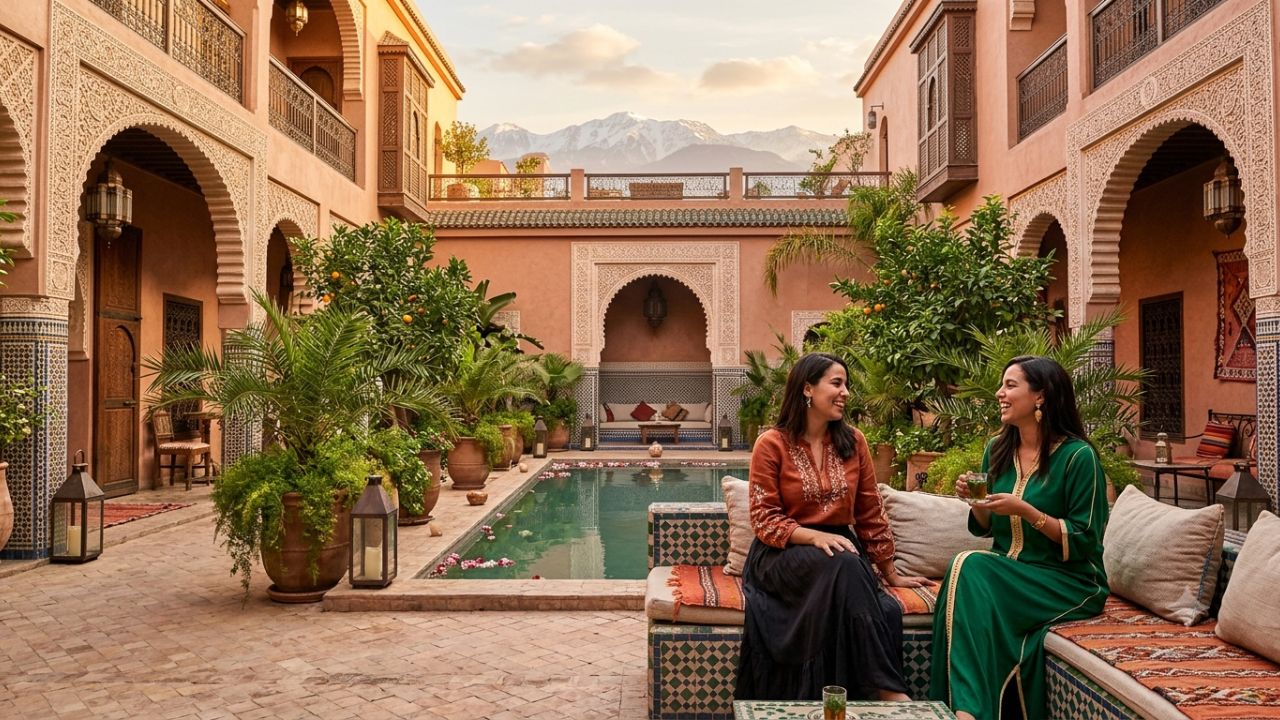
Image generated by AI
Africa recorded more than 81 million international overnight arrivals in 2026, outperforming the global average with an 8.0% annual expansion rate as Morocco, Egypt, Kenya, and South Africa led a structural shift toward high-yield experiential luxury and frictionless digital visa entry. Benchmark tracking data from UN Tourism confirms that global overnight tourist arrivals reached 1.52 billion, with African destinations capturing an accelerating share of intercontinental long-haul itineraries and premium regional transit.
Announced on 23 October 2026, the continental performance figures mark a permanent operational evolution rather than a temporary recovery cycle. Supported by a 24.3% expansion in scheduled air seat capacity across East Africa and an 11.0% surge in North African international arrivals, the continent is integrating into primary global tourism corridors. The combination of electronic entry authorizations, expanded point-to-point airline links, and purpose-driven luxury lodging has positioned African regional hubs at the center of international leisure travel.
Continental Performance Metrics and Subregional Growth Dynamics
Data published through the UN Tourism dashboard illustrates Africa's outperformance relative to worldwide travel indicators:
| Geographic Region / Subregion | 2024 Baseline Benchmark | 2025/2026 Recorded Volume | Annual Growth Rate | Primary Strategic Economic Driver |
|---|---|---|---|---|
| Global Overnight Arrivals | 1.46 billion travelers | 1.52 billion travelers | +4.0% year-on-year | Stabilized long-haul aviation corridors and resilient leisure spending |
| Africa Total Arrivals | 75.4 million travelers | 81.0+ million travelers | +8.0% year-on-year | Visa deregulation, high-yield luxury lodges, and expanded flight capacity |
| North Africa Subregion | Leading continental volume | Record regional arrivals | +11.0% year-on-year | European proximity, 2030 FIFA World Cup projects, and heritage infrastructure |
| East Africa Subregion | Steady visitor recovery | Significant capacity jump | +24.3% seat capacity | Conservation-funded eco-lodges, MICE conventions, and electronic travel authorization |
| Southern Africa Subregion | High-end luxury rebound | Broad revenue expansion | +12% to +19% growth | SADC intra-regional transit and premium private wildlife reserves |
Country-by-Country Analysis: Primary Destinations Shaping Continental Growth
The record-breaking continental total reflects targeted investments across distinct national markets:
Morocco welcomed over 14 million international visitors, maintaining its status as North Africa's primary luxury gateway. Centered around Marrakech, the kingdom has combined historic medina restorations with ultra-luxury desert camps in the Agafay Desert. Strategic point-to-point aviation links operated by national carrier Royal Air Maroc alongside European budget airlines connect Casablanca, Marrakech, and Agadir directly to primary European hubs. Preparations for the 2030 FIFA World Cup have accelerated capital projects, including high-speed rail line extensions, airport terminal expansions, and international hotel construction across major urban centers.
Egypt sustained more than 15 million international visitors, driven by heritage travel and Red Sea resort destinations. The opening and full operational activation of the Grand Egyptian Museum (GEM) in Giza lengthened average visitor stays in Cairo by providing extended cultural programming near the Pyramids. Coastal resorts across Sharm El-Sheikh, Hurghada, and El Gouna maintained high occupancy rates among European vacationers, while modern luxury river cruise vessels operating multi-day slow-travel itineraries between Luxor and Aswan converted transit passengers into long-stay overnight guests.
Kenya recorded over 2 million international travelers, acting as East Africa's operational center for wildlife and commercial travel. The implementation of the digital Electronic Travel Authorisation (eTA) system removed traditional visa delays for international travelers. High-end conservancies across the Masai Mara and Laikipia maintain strict low-impact visitor limits where lodging fees directly support community education and anti-poaching initiatives. Concurrently, Nairobi expanded its role as a regional corporate conference center, channeling business delegates into weekend safari extensions.
South Africa registered over 10.5 million international arrivals, anchoring multi-country Southern African itineraries. Regional visitors from Southern African Development Community (SADC) nations generate nearly 75% of inbound volume, while long-haul travelers from Europe and North America drive the highest expenditure per night across Cape Town's wine regions and private game reserves bordering Kruger National Park.
Tanzania expanded its market share through a dual-circuit travel model, combining northern wildlife safaris in Serengeti National Park and the Ngorongoro Conservation Area with boutique beachfront resort stays in Zanzibar, generating high-value 10-to-14-day holiday itineraries.
Among emerging destinations, Ethiopia leveraged Addis Ababa as a transcontinental transit interchange, using stopover programs on Ethiopian Airlines to convert flight transfers into overnight city tours. Rwanda positioned Kigali as a premier meeting and convention center while utilizing high-tariff gorilla trekking permits in Volcanoes National Park to finance conservation. Ghana expanded diaspora tourism and cultural heritage journeys, generating hotel stays across Accra and historic coastal forts.
Structural Growth Pillars: Policy Reforms, Strategic Airlift, and Conservation Luxury
Three foundational operational developments underpin Africa's tourism expansion:
First, visa simplification and regional integration have eliminated booking friction. Electronic visa portals, visa-on-arrival policies, and complete visa exemptions adopted by nations like Rwanda, Kenya, Benin, Ghana, and Seychelles have streamlined international transit. These measures align with the African Continental Free Trade Area (AfCFTA) and the Single African Air Transport Market (SAATM) to encourage intra-continental movement.
Second, strategic route capacity has expanded. East Africa achieved a 24.3% seat capacity increase driven by expanded aircraft orders and route frequencies by Ethiopian Airlines and Kenya Airways. In North Africa, point-to-point flights connecting European secondary airports directly to regional cultural and coastal cities have enabled low-friction weekend and week-long travel.
Third, high-yield luxury tourism has linked accommodation to ecological stewardship. International travelers increasingly select eco-resorts and private conservancies that fund reforestation, habitat preservation, and community health services, generating higher visitor spending per night.
Traveler Logistics Guide: Multi-Country African Circuits, Visas, and Health Regulations
Planning multi-destination itineraries across Africa requires careful coordination of entry rules, flight links, and regional health protocols:
- Navigating Digital Visas and Entry Permits: Travelers should verify entry requirements at least three weeks prior to departure. Kenya requires all visitors to secure an approved Electronic Travel Authorisation (eTA) online before boarding. Egypt provides an official electronic visa portal for eligible foreign passport holders, while Morocco offers visa-free access to citizens of the European Union, the United States, Canada, and the United Kingdom. When traveling between Kenya, Rwanda, and Uganda, international tourists should apply for the East Africa Tourist Visa ($100), which permits 90 days of multi-entry travel across all three partner states.
- Aviation Hub Routing and Stopover Programs: The most efficient air routing across the continent utilizes major airline alliance hubs: Royal Air Maroc (oneworld) via Casablanca (CMN), EgyptAir (Star Alliance) via Cairo (CAI), and Ethiopian Airlines (Star Alliance) via Addis Ababa (ADD). Travelers booking connecting itineraries through Addis Ababa or Casablanca can utilize airline-sponsored stopover hotel packages, which provide complimentary hotel accommodation and transit visas for connections exceeding 8 to 12 hours.
- Mandatory Health Certifications and Yellow Fever Rules: International travelers transiting between East and Southern Africa must carry an official International Certificate of Vaccination or Prophylaxis (ICVP) showing proof of Yellow Fever vaccination. Border officials in South Africa, Tanzania, and Kenya strictly enforce certificate checks if arriving from or transiting through an endemic country for more than 12 hours. Comprehensive malaria prophylaxis should be obtained prior to touring low-altitude safari reserves in the Kruger or Serengeti ecosystems.
- Currency and Payment Realities: While high-end safari lodges, boutique hotels, and national park gate authorities accept major international credit cards, carrying local physical cash is essential for tips, rural transport, and local markets. In Egypt and Morocco, small local currency notes (Egyptian Pounds and Moroccan Dirhams) are necessary for daily expenses. In Kenya, the ubiquitous M-Pesa mobile payment system can be accessed by tourists by registering a local SIM card with passport identification upon landing at Jomo Kenyatta International Airport (NBO).
Infrastructure Impact Assessment: Continental Connectivity and Environmental Sustainability
The expansion of international tourism across Africa carries profound structural implications for regional transport and conservation infrastructure. For decades, international visitors were restricted to narrow point-to-point corridors due to high inter-regional airfares and restrictive bilateral air service agreements. The ongoing rollout of the Single African Air Transport Market (SAATM) is gradually deregulating air routes, enabling regional carriers to open direct secondary routes between North, East, and Southern Africa without requiring multi-stop connections through European gateways.
In Morocco, preparations for co-hosting the 2030 FIFA World Cup are expanding the Al Boraq high-speed railway network, connecting Tangier, Kenitra, Rabat, and Casablanca with extensions planned toward Marrakech and Agadir. This rail corridor provides a low-carbon transport spine that reduces reliance on domestic flights and highway buses.
However, the rapid expansion of safari and coastal tourism presents distinct ecological management challenges. In fragile wildlife habitats such as the Serengeti ecosystem and the Masai Mara, unchecked vehicle congestion during annual wildebeest migrations has prompted wildlife authorities to implement stricter off-road driving penalties and daily vehicle quotas. By channeling premium lodging revenues directly into community conservancies and wildlife ranger salaries, African nations are demonstrating that high-value tourism can fund long-term environmental protection while driving national economic prosperity.
FAQ: African International Tourism and Luxury Travel Expansion 2026
How many international overnight visitors did Africa welcome in 2026?
Africa welcomed over 81 million international overnight visitors in 2026, recording an 8.0% annual growth rate that outpaced the global tourism expansion average of 4.0%.
Which African country received the highest number of international tourists?
Egypt recorded the highest volume with over 15 million international visitors, followed closely by Morocco with over 14 million arrivals, and South Africa with over 10.5 million travelers.
What is the East Africa Tourist Visa and which countries does it cover?
The East Africa Tourist Visa is a single joint entry permit costing $100 that allows international travelers to move freely between Kenya, Rwanda, and Uganda for up to 90 days.
How is Morocco expanding its travel infrastructure for the 2030 FIFA World Cup?
Morocco is expanding its Al Boraq high-speed rail network toward Marrakech and Agadir, modernizing international airport terminals, and constructing new luxury hotels across primary host cities.
Related Travel Guides
The 10 Best Luxury Safari Lodges and Eco-Resorts in Africa, According to Reddit
Disclaimer
This article is for informational and educational purposes only. It does not constitute legal, financial, or professional advice. While we strive to provide accurate and up-to-date information, travel policies, regulations, and conditions change rapidly. Always verify information with official sources before making travel decisions. Nomad Lawyer makes no representations about the accuracy, reliability, completeness, or suitability of the information provided. Readers should consult qualified professionals for advice specific to their circumstances. The views expressed in this article are those of the author and do not necessarily reflect the views of Nomad Lawyer.
Preeti Gunjan
Contributor & Community Manager
A passionate traveller and community builder. Preeti helps grow the Nomad Lawyer community, fostering engagement and bringing the reader experience to life.
Learn more about our team →