
Turkish Airlines Appoints New CEO Ahmet Olmuştur Amid Global Aviation Uncertainty—What It Means for Travelers
Turkish Airlines names Ahmet Olmuştur as new CEO, signaling leadership continuity during geopolitical tensions and fuel price volatility affecting global aviation networks.

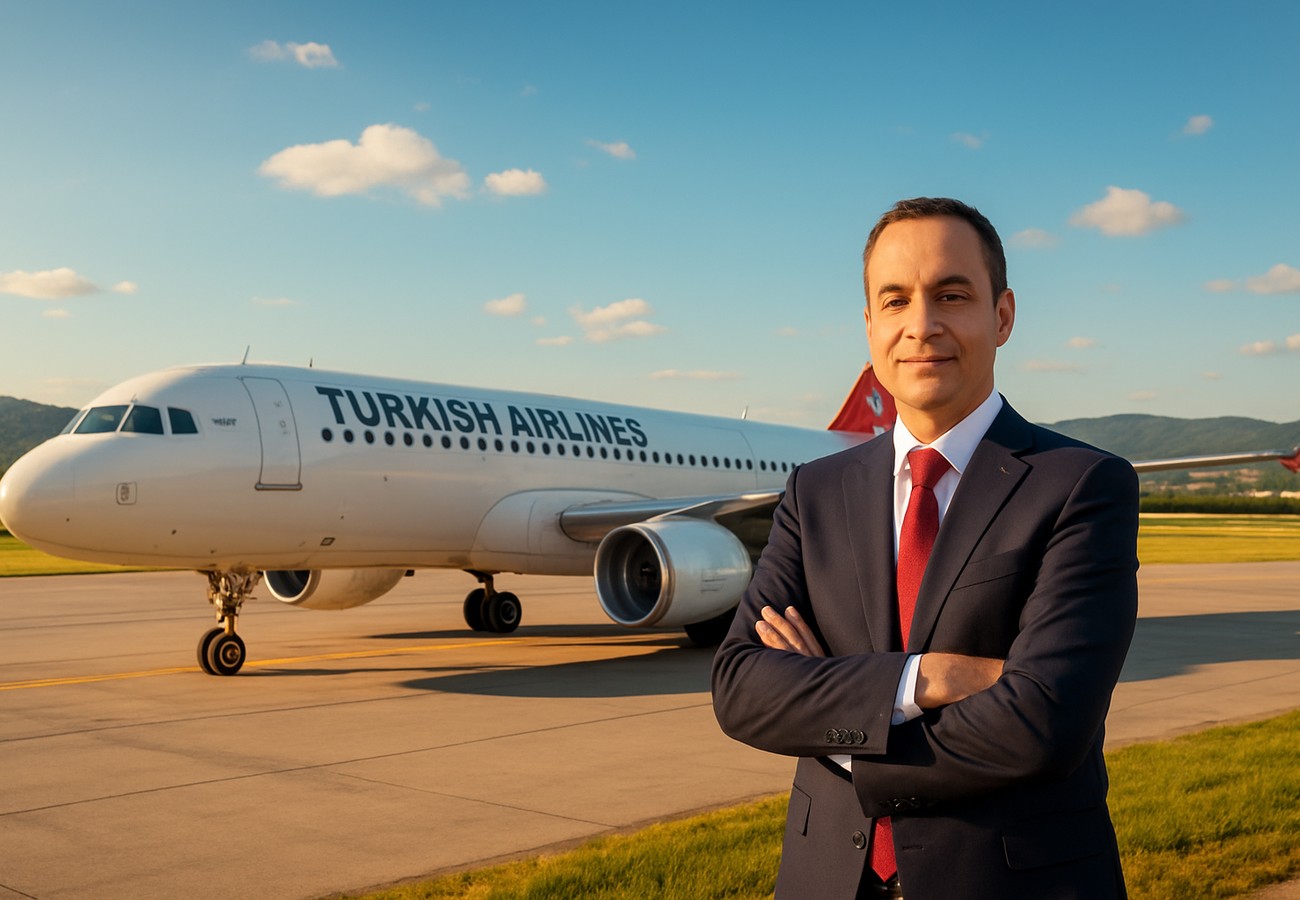
Image generated by AI
Turkish Airlines Undergoes Major Executive Reshuffle as Industry Watches Leadership Transition
The global aviation sector is intensely monitoring a pivotal leadership transformation at Turkish Airlines, one of the world's most extensively connected carriers, as the airline announces a comprehensive executive restructuring amid mounting pressures from geopolitical tensions, volatile fuel prices, and unpredictable travel demand patterns.
In a decisive move reshaping the carrier's strategic direction, Ahmet Olmuştur has been elevated to the position of chief executive officer, succeeding the previous leadership regime and inaugurating a fresh chapter for the Istanbul-based airline. The appointment represents a significant moment for the aviation industry, particularly as carriers worldwide grapple with complex operational challenges and shifting passenger behavior across international routes.
Who Is Ahmet Olmuştur and Why His Appointment Signals Continuity
Ahmet Olmuştur brings more than two decades of institutional expertise to the helm, having joined Turkish Airlines in 2000 and systematically advanced through pivotal commercial and operational roles. His career trajectory encompasses strategic positions in marketing, sales architecture, and commercial strategy—domains critical to airline profitability and network expansion.
Most recently serving as chief commercial officer since 2024, Olmuştur previously directed the airline's global sales and marketing infrastructure. His professional portfolio demonstrates deep competency in network architecture, dynamic pricing mechanisms, passenger experience optimization, and loyalty program development. For international travelers, this internal promotion signals operational stability rather than disruptive change, as the new leadership arrives with comprehensive understanding of Turkish Airlines' sprawling global operations and competitive positioning.
Broader Executive Restructuring Strengthens Leadership Depth
The CEO appointment forms part of a wider organizational realignment designed to fortify leadership resilience during volatile market conditions. Murat Şeker assumes the chairman role, while Metin Gülşen transitions into the chief financial officer position. Simultaneously, Harun Baştürk has been promoted to chief commercial officer, completing an internal promotion strategy that emphasizes operational continuity and institutional knowledge retention.
This promotion-from-within approach underscores Turkish Airlines' confidence in its existing talent pipeline while maintaining organizational stability during a period when the aviation industry faces unprecedented headwinds. According to the International Air Transport Association (IATA), airlines are increasingly prioritizing leadership continuity to navigate complex regulatory environments and market volatility.
Timing Proves Critical Amid Global Aviation Turbulence
The leadership transition arrives at an exceptionally challenging juncture for international aviation. The industry confronts a convergence of destabilizing factors: escalating geopolitical tensions, particularly disruptions emanating from Middle Eastern conflicts, unpredictable fuel price fluctuations, and fundamental shifts in passenger travel patterns. These pressures have forced carriers worldwide to rapidly recalibrate route networks, adjust capacity allocation, and reconsider pricing strategies.
For Turkish Airlines, which operates the industry's most expansive global network spanning more than 300 destinations across six continents, robust leadership proves essential to navigate these uncertainties while sustaining growth trajectories. The airline's strategic position as a continental bridge—connecting Europe, Asia, Africa, and the Americas through its Istanbul Airport hub—amplifies the significance of executive decision-making on global travel connectivity.
What This Leadership Shift Means for International Travelers
For passengers traversing Europe-Asia-Middle East routes, the immediate operational impact remains minimal. The appointment reflects organizational stability rather than operational upheaval. However, the new leadership's commercial expertise positions Turkish Airlines to potentially deliver:
Enhanced route optimization as demand patterns evolve across global markets; Refined pricing architecture reflecting dynamic fuel costs and competitive pressures; Strengthened customer experience initiatives leveraging Olmuştur's commercial background; Strategic network expansion targeting underserved international corridors.
These developments will likely materialize gradually rather than through abrupt operational shifts, allowing passengers to experience improvements incrementally across booking platforms, in-flight services, and loyalty program benefits.
Turkish Airlines' Outsized Influence on Global Travel Networks
Turkish Airlines holds unparalleled significance within international aviation architecture. Operating from Istanbul Airport—one of the world's busiest transit hubs—the carrier connects more countries than any competitor, making its strategic decisions consequential for millions of annual passengers. The airline's network decisions directly influence route availability, pricing competitiveness, and overall travel accessibility between major global markets.
According to FlightAware's aviation analytics platform, carriers with extensive hub networks like Turkish Airlines significantly shape regional and intercontinental travel patterns through their capacity allocation and route planning decisions. Leadership changes at such carriers therefore reverberate throughout global aviation ecosystems.
Monitoring Strategic Shifts in Route Planning and Pricing
While immediate operational disruptions appear unlikely, travelers should monitor how the new leadership addresses several strategic priorities. Route expansion between European and Asian markets may accelerate, reflecting growing demand for alternative connectivity amid disruptions elsewhere. Pricing strategies will likely evolve in response to fuel price volatility—a persistent challenge affecting airline profitability across the industry. Operational adjustments responding to geopolitical developments will shape which routes receive enhanced capacity and which face potential reductions.
The airline's digital transformation initiatives and customer service enhancements may also accelerate under Olmuştur's commercial leadership, potentially improving the booking experience and in-flight amenities for international passengers.
Broader Industry Implications for Global Aviation
The Turkish Airlines leadership transition exemplifies a broader industry trend: carriers are systematically strengthening executive teams to navigate an increasingly complex operational environment. From geopolitical risks to evolving passenger preferences, airlines must demonstrate agility and strategic foresight. This appointment reflects the aviation industry's recognition that strong, experienced leadership proves essential for sustainable growth and competitive positioning.
Expert Insight: Leadership continuity at major global carriers like Turkish Airlines provides stability that benefits passengers through consistent service standards and strategic network planning during periods of industry uncertainty.
What Travelers Should Monitor Going Forward
International passengers should track how Turkish Airlines under new leadership approaches several critical areas: expansion or contraction of European-Asian route networks; evolution of pricing strategies amid fluctuating fuel costs; operational responses to geopolitical developments affecting Middle Eastern and Asian routes; digital innovation and customer experience enhancements.
As one of aviation's most globally connected carriers, Turkish Airlines' strategic decisions carry outsized influence on international travel patterns, pricing competitiveness, and route availability. The appointment of Ahmet Olmuştur represents both continuity and opportunity—a chance for renewed strategic focus on network optimization, passenger experience, and sustainable growth in an increasingly complex global aviation landscape.
Related Travel Guides
Disclaimer
This article is for informational and educational purposes only. It does not constitute legal, financial, or professional advice. While we strive to provide accurate and up-to-date information, travel policies, regulations, and conditions change rapidly. Always verify information with official sources before making travel decisions. Nomad Lawyer makes no representations about the accuracy, reliability, completeness, or suitability of the information provided. Readers should consult qualified professionals for advice specific to their circumstances. The views expressed in this article are those of the author and do not necessarily reflect the views of Nomad Lawyer.
Kunal K Choudhary
Co-Founder & Contributor
A passionate traveller and tech enthusiast. Kunal contributes to the vision and growth of Nomad Lawyer, bringing fresh perspectives and driving the community forward.
Learn more about our team →