
Türkiye Overtakes Mexico, Thailand, India as #1 Medical Tourism Powerhouse in 2026 for Affordable Surgery and Luxury Recovery
Türkiye claims the global medical tourism crown in 2026, outpacing Mexico and Thailand with affordable luxury healthcare, hair transplants, cosmetic surgery, and specialized treatments attracting millions worldwide.

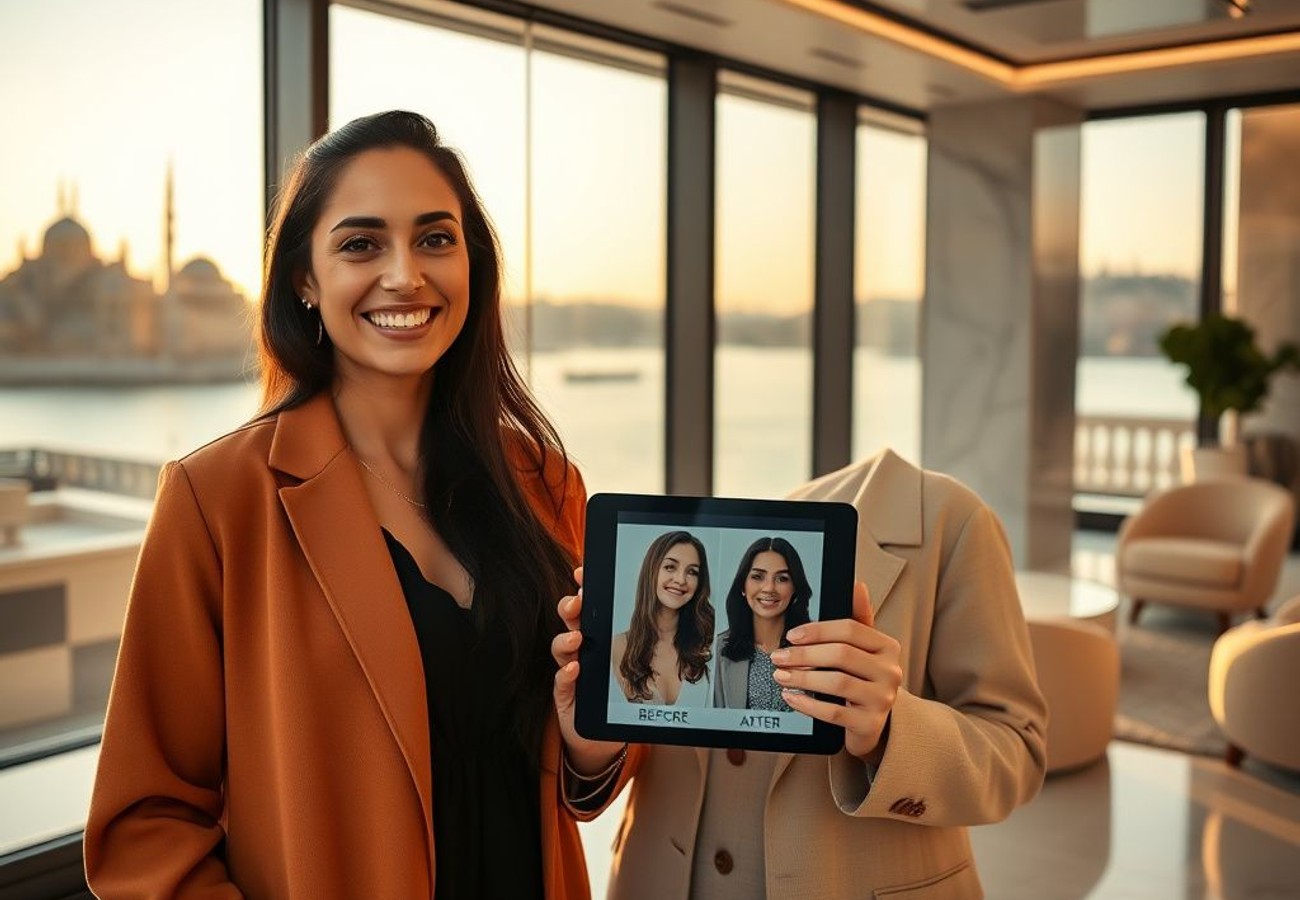
Image generated by AI
The Seismic Shift: Why Türkiye Just Became the World's Medical Tourism Capital
Türkiye has officially dethroned Mexico, Thailand, India, South Korea, and Malaysia as the planet's fastest-growing medical tourism destination—and the numbers tell a dramatic story. International patients are no longer choosing healthcare destinations based solely on affordability. They're demanding the holy trinity: quality, luxury recovery experiences, and speed.
And Türkiye is delivering all three simultaneously.
What's happening in Istanbul, Ankara, and across the Turkish healthcare landscape represents a fundamental restructuring of global healthcare travel. Patients from Europe, the Middle East, and North Africa are booking flights not for tourism—but for medical procedures. They're staying in five-star recovery suites. They're undergoing robotic surgeries. They're recovering in luxury hotels overlooking the Bosphorus.
Reddit: "Just had my hair transplant in Istanbul at Acıbadem. Recovery suite was nicer than my apartment back in London. Flights from the UK cost less than driving to Manchester." — r/MedicalTourism
This isn't hyperbole. This is the new reality of healthcare travel in 2026.
Why Türkiye's Hospitals Are Winning the Global Battle
The numbers speak loudly: Türkiye has invested billions into creating an integrated healthcare ecosystem that rivals or exceeds treatment standards in Western Europe and North America—while charging a fraction of the price.
Consider the infrastructure: Acıbadem Healthcare Group, Memorial Healthcare Group, Anadolu Medical Center, Florence Nightingale Hospitals, and Medipol Mega University Hospital aren't regional players anymore. They're globally accredited institutions performing oncology, organ transplantation, cardiology, and orthopedic surgeries at standards equivalent to Mayo Clinic or Johns Hopkins—but at 60-70% lower costs.
The strategic advantage is geography. Türkiye sits as a bridge between three continents: Europe, Asia, and the Middle East. Patients from the United Kingdom, Germany, Netherlands, France, Azerbaijan, Iraq, Russia, Kazakhstan, Saudi Arabia, Qatar, and the UAE can reach Istanbul in under six hours from most major cities.
Compare this to Thailand's 12-18 hour flight times from Europe or Mexico's timezone complications for Asian patients. Türkiye wins on accessibility alone.
But accessibility without luxury accommodation is incomplete. That's why Çırağan Palace Kempinski Istanbul, Mandarin Oriental Bosphorus, The Ritz-Carlton Istanbul, Four Seasons Hotel Istanbul at the Bosphorus, and Swissôtel The Bosphorus Istanbul have become recovery sanctuaries for medical tourists. These aren't afterthoughts—they're integrated into comprehensive patient care plans.
The Competitive Landscape: How Other Nations Are Fighting Back
Thailand hasn't surrendered its throne without a fight. Institutions like Bumrungrad International Hospital, Bangkok Hospital, Samitivej Hospital, BNH Hospital, and MedPark Hospital continue offering world-class orthopedics, cardiac care, and fertility treatments. The country's integration of healthcare with wellness—pairing surgery recovery with holistic spa treatments at properties like Chiva-Som Hua Hin and Banyan Tree Phuket—remains a sophisticated differentiator.
But here's the problem for Thailand: recovery takes time. When you're healing from cosmetic surgery or a hair transplant, you want to do it in comfort—not on a 15-hour flight home. Türkiye offers European-level treatments with Asian-friendly pricing and European accessibility.
India remains the affordable powerhouse for complex tertiary care. Apollo Hospitals, Medanta The Medicity, and Fortis Healthcare perform cardiac surgeries, cancer treatments, and organ transplantations at prices that shock Western patients. But cost alone no longer drives medical tourism decisions. India's infrastructure for luxury recovery experiences lags significantly behind Türkiye and Thailand.
Mexico, South Korea, and Malaysia serve specialized niches—but none commands the integrated ecosystem that Türkiye has constructed.
The Data Behind Türkiye's Dominance
What makes Türkiye's rise particularly striking is the demographic it's capturing. The UK drives substantial cosmetic procedure volume—hair transplantation, rhinoplasty, and dental treatments account for roughly 40% of British medical tourism in Türkiye. German patients seek orthopedic and cardiac interventions. Middle Eastern patients value the privacy, cultural proximity, and Islamic-compliant hospitality.
HealthTürkiye, the official medical tourism coordination body supported by the Turkish Ministry of Health, has orchestrated a comprehensive outreach strategy that rivals government healthcare export programmes in Asia. They've created seamless digital patient portals, multilingual support teams, and pre-arrival consultation processes that feel more like luxury concierge services than medical bureaucracy.
This coordination separates Türkiye from competitors who treat medical tourism as an afterthought rather than a national strategic priority.
Hair Transplants, Cosmetic Surgery, and the Procedures Driving Growth
The fastest-growing medical tourism procedures in Türkiye aren't complex organ transplants—they're aesthetic interventions with rapid recovery timelines and immediate social media visibility.
Hair transplantation clinics in Istanbul perform roughly 150,000+ procedures annually, attracting patients from across Europe and the Middle East who document their transformations on social platforms. A full hair transplant costs $3,500-$5,500 in Türkiye—compared to $15,000-$25,000 in the UK or Germany. Flight, accommodation, and procedure bundled together? Still cheaper than the procedure alone back home.
Cosmetic surgery—rhinoplasty, facelifts, liposuction—follows identical economics. Premium surgeons, modern facilities, and recovery suites cost a fraction of Western prices. Dental tourism adds another revenue stream: a full mouth reconstruction that costs $15,000+ in London runs $4,000-$6,000 in Istanbul.
What This Means for Medical Tourism Law and Patient Rights
As Türkiye's medical tourism boom accelerates, legal frameworks for patient protection have become increasingly important. The country has established comprehensive patient rights legislation aligned with EU standards, even though Türkiye isn't an EU member. This includes malpractice insurance requirements, informed consent protocols in multiple languages, and dispute resolution mechanisms that protect international patients.
Patients considering treatment abroad should verify that facilities hold JCI (Joint Commission International) accreditation—a standard that Türkiye's major hospitals uniformly maintain. They should also confirm medical liability insurance covers complications requiring follow-up care in home countries.
The Recovery Experience: Why Luxury Matters in Healthcare Tourism
Here's what distinguishes Türkiye's model from pure-cost competitors: the recovery environment directly impacts clinical outcomes. Post-operative depression, infection risk, and complication rates all correlate with patient stress levels and accommodation quality.
Recovering from cosmetic surgery in a sterile hospital room differs fundamentally from recovery in a Bosphorus-view suite with personalized nutrition, concierge medical support, and integrated wellness services. Türkiye's hospitals partner directly with luxury hotels to create unified recovery ecosystems that minimize patient anxiety while maximizing clinical results.
Thailand pioneered this approach, but Türkiye has scaled it more efficiently and at lower cost.
Looking Ahead: 2026 and Beyond
The medical tourism landscape is consolidating. Destinations offering only affordability are losing market share to those combining affordability, accessibility, luxury, and clinical excellence. Türkiye has achieved this alignment faster than competitors.
Expected growth trajectories suggest Türkiye could capture 15-20% of global medical tourism volume by 2028, representing roughly 2+ million annual international patients. This trajectory positions the country to generate $20+ billion in annual medical tourism revenue—transforming regional healthcare economics and establishing Türkiye as a cornerstone of global healthcare infrastructure.
The age of choosing medical destinations based on price alone has ended. Welcome to the era where Türkiye wins on value, quality, and experience simultaneously.
Türkiye's medical tourism boom isn't a passing trend—it's a structural reshaping of global healthcare accessibility.
Related Travel Guides
Disclaimer
This article is for informational and educational purposes only. It does not constitute legal, financial, or professional advice. While we strive to provide accurate and up-to-date information, travel policies, regulations, and conditions change rapidly. Always verify information with official sources before making travel decisions. Nomad Lawyer makes no representations about the accuracy, reliability, completeness, or suitability of the information provided. Readers should consult qualified professionals for advice specific to their circumstances. The views expressed in this article are those of the author and do not necessarily reflect the views of Nomad Lawyer.
Preeti Gunjan
Contributor & Community Manager
A passionate traveller and community builder. Preeti helps grow the Nomad Lawyer community, fostering engagement and bringing the reader experience to life.
Learn more about our team →