
Turkey Boosts Heritage Tourism at Hattusha UNESCO Archaeological Site
The ancient Hittite capital of Hattusha in Çorum Province is driving cultural tourism growth in Turkey, offering travelers a unique Bronze Age experience.
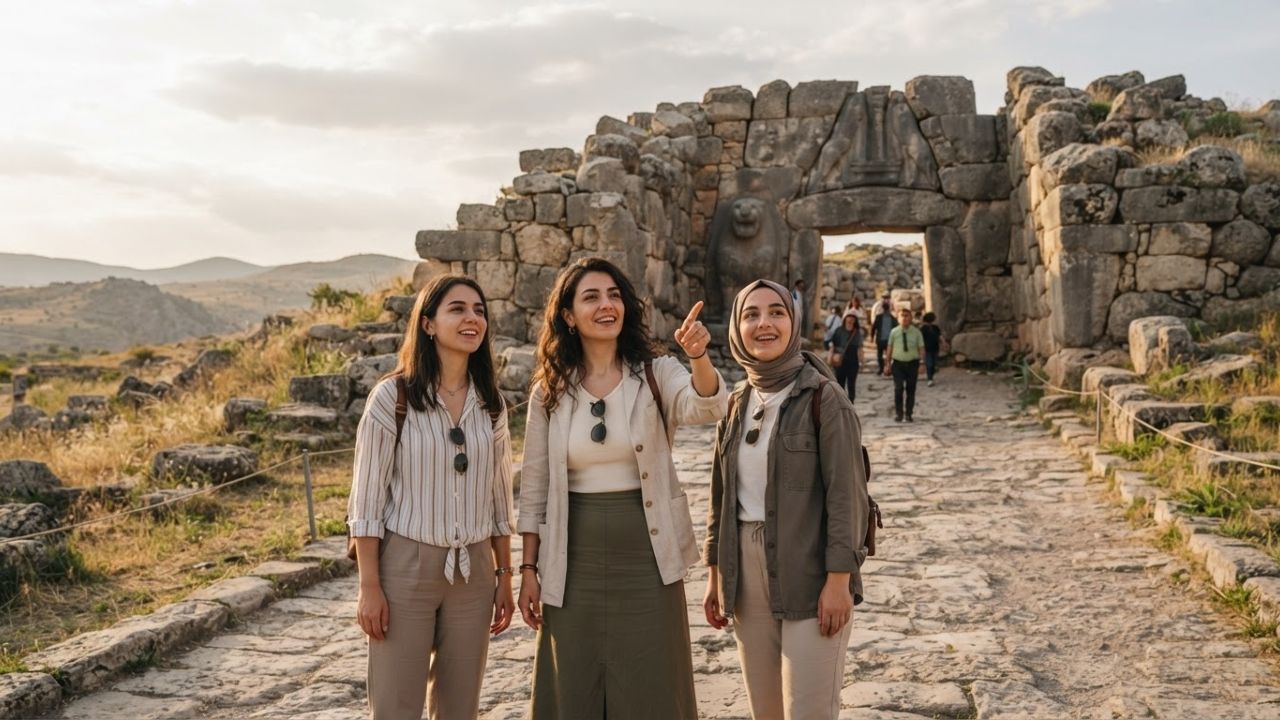
Image generated by AI
Preserving the monumental stone gates of the Hittite Empire and the ancient Treaty of Kadesh, the UNESCO World Heritage site of Hattusha in Çorum Province is driving Turkey's regional heritage tourism growth.
The Core Transit Update
Anatolian heritage corridors and archaeological transit networks are experiencing a significant modernization phase. Located in Boğazkale District, the ancient capital of Hattusha—originally listed as a UNESCO World Heritage site in 1986—serves as a primary focal point for travelers exploring Bronze Age urban planning and architecture.
To support the growing influx of international tourists visiting the ruins and the nearby Yazılıkaya rock sanctuary, regional transport departments are optimizing bus connections from Çorum city and utilizing the new Ankara-Sivas high-speed rail line to connect travelers departing from Ankara.
Hittite Monuments & Anatolian Transit
Planning an archaeological holiday to central Turkey requires analyzing historic city layouts alongside modern transportation routes. The following tables outline Hattusha's structural features and transport connections.
| Hittite Heritage Element | Primary Architectural / Archaeological Feature | Strategic Historical Significance |
|---|---|---|
| Upper & Lower City | Divided urban districts on natural slope | Bronze Age urban planning & social segregation |
| Defensive Fortifications | Over 8 km of stone walls with 100+ towers | Advanced military defense engineering |
| Sphinx Gate & Tunnel | Elevated stone platform & underground tunnel | Key ceremonial gate & engineering showpiece |
| Lion & Royal Gates | Monumental gates with relief carvings | Symbolic gate defenses & royal processions |
| Yazılıkaya Sanctuary | Open-air rock chambers 2 km northeast | Religious shrine depicting god and goddess reliefs |
| Treaty of Kadesh Archive | Clay tablet records discovered at the site | Earliest known international peace treaty (diplomacy) |
Hattusha archaeological structures and historical metrics.
| Target Travel Hub | Primary Transit Connection | Distance to Boğazkale | Strategic Traveler Advice |
|---|---|---|---|
| Ankara Airport (ESB) | Rental car D200/D190 highways | ~200 km | Driving time is approximately 2.5 to 3 hours |
| Yozgat Rail Station | Ankara-Sivas high-speed train | ~45 km | Nearest high-speed rail connection to Boğazkale |
| Çorum Central Terminal | Intercity bus line networks | ~80 km | Daily regional buses connect Çorum city to Boğazkale |
Anatolia regional transit corridors and archaeological access.
Traveler Logistics Guide
From a ground-level perspective, the best way to navigate this is to take the high-speed passenger train from Ankara to the Yozgat rail station, and hire a local driver or rent a vehicle to complete the final 45-kilometer highway link to Boğazkale, as direct bus schedules from Ankara to Boğazkale are infrequent. Checking train departure times is recommended.
To plan your journey across the Hittite capital:
- Sphinx Gate Tunnel Navigation: Bring a headlamp or a fully charged mobile light source when walking through the Sphinx Gate's stone tunnel (potern), as the interior is unlit and has uneven footing.
- Combine with Yazılıkaya Open-Air Sanctuary: The sanctuary is situated 2 kilometers northeast of the main ruins. The uphill path is steep, so utilizing a rental vehicle or local taxi is advisable during hot summer afternoons.
- Boğazkale Museum Stopover: Before entering the archaeological park, visit the Boğazkale Museum in the town center to view the clay tablet archives and Bronze Age pottery discovered during excavations.
- Carry Cash for Local Dining: While credit cards are widely accepted at the archaeological ticket counter, local restaurants and souvenir stands in Boğazkale town prefer Turkish Lira in cash.
Infrastructure Impact Assessment
The development of structured archaeological travel networks to Hattusha supports Turkey's national strategy to diversify its visitor profiles away from coastal resorts.
By linking high-speed rail connections to central Anatolian heritage sites, regional authorities reduce passenger congestion along Mediterranean corridors while funding conservation efforts for ancient clay tablets and fragile rock carvings at Yazılıkaya.
Related Travel Guides
Ireland Tourist Arrivals Jump 18% in First Five Months of 2026
Disclaimer
This article is for informational and educational purposes only. It does not constitute legal, financial, or professional advice. While we strive to provide accurate and up-to-date information, travel policies, regulations, and conditions change rapidly. Always verify information with official sources before making travel decisions. Nomad Lawyer makes no representations about the accuracy, reliability, completeness, or suitability of the information provided. Readers should consult qualified professionals for advice specific to their circumstances. The views expressed in this article are those of the author and do not necessarily reflect the views of Nomad Lawyer.