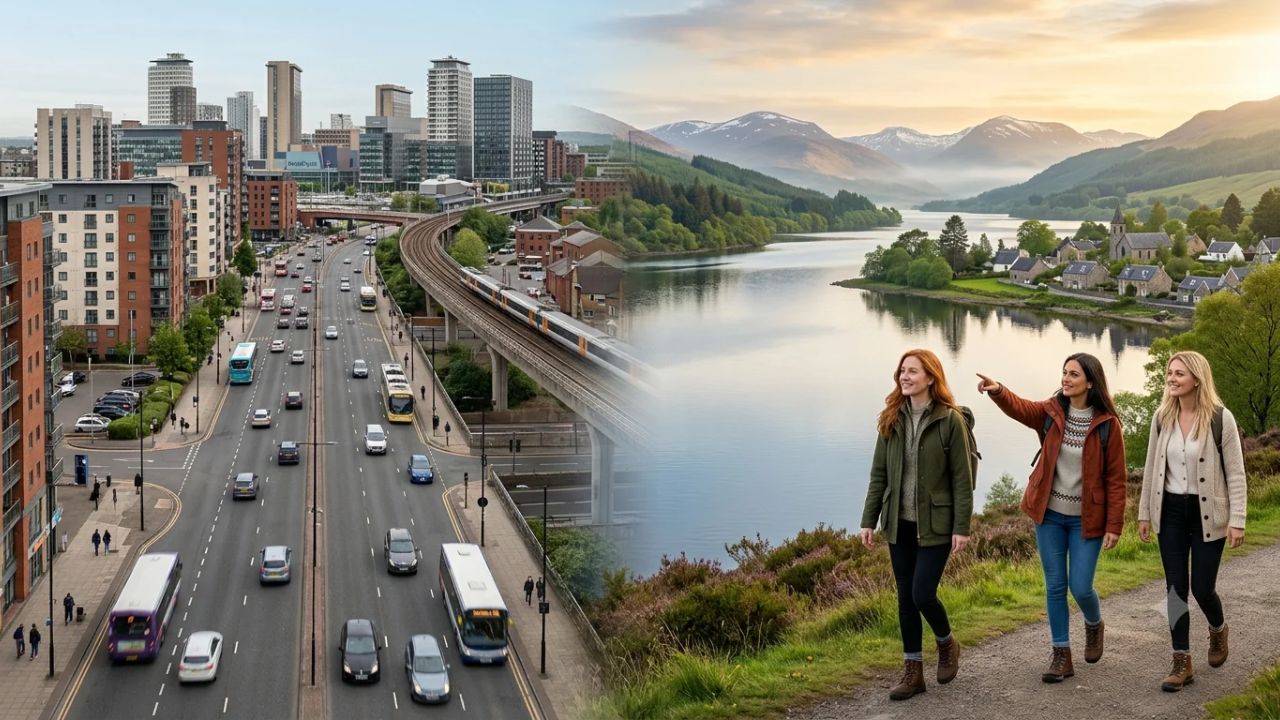
Global Travel Trends 2027: Five Rising Destinations Outpacing Mainstream Tourism Hotspots from Paros to Cherrapunji

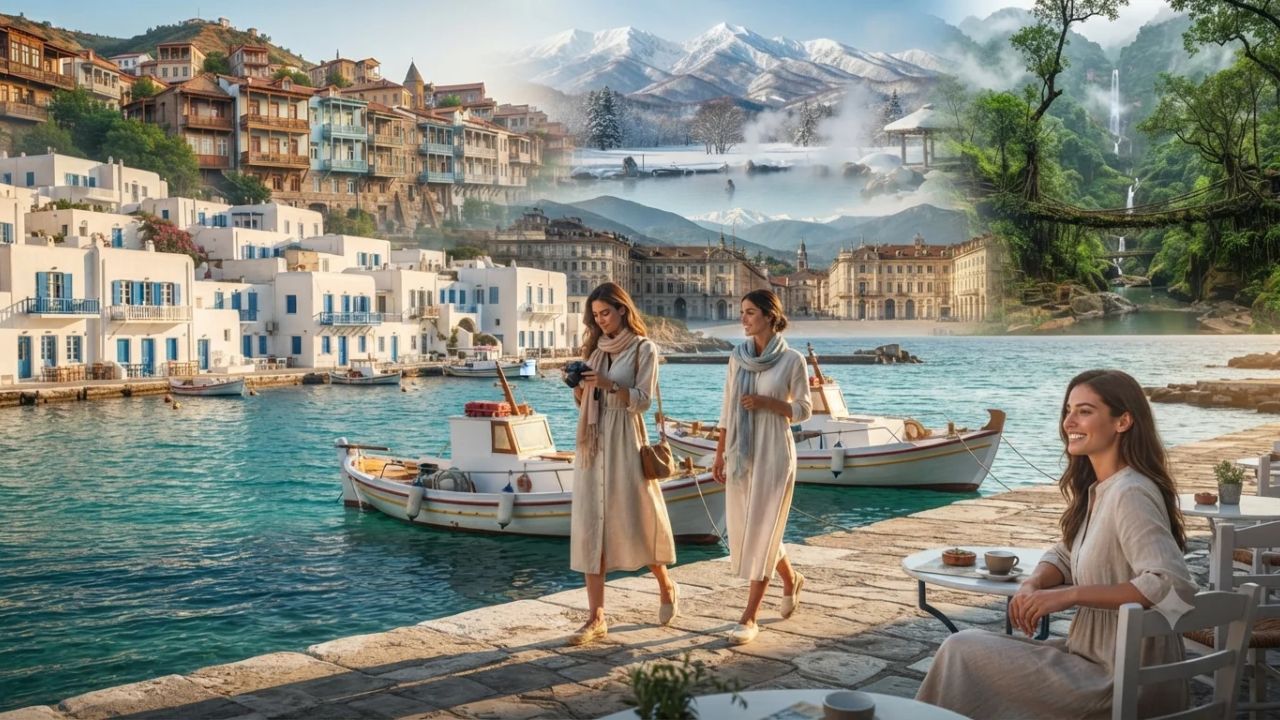
As international travel volumes surge toward a projected 1.57 billion global tourist arrivals, a decisive behavioral pivot is reshaping the international leisure economy ahead of 2027. Disillusioned by extreme overtourism, rigid commercialization, and surging price inflation across traditional marquee destinations, global holidaymakers are actively redirecting their forward bookings toward culturally rich, ecologically intact, and tranquil regional alternatives. Leading this structural transformation are five standout international destinations experiencing unprecedented surges in holiday search interest: Greece’s Cycladic island of Paros (up 50% year-on-year, while searches for neighboring Santorini tumbled 18%), India’s rain-forested highland of Cherrapunji in Meghalaya (up 48%), Japan’s northern wilderness of Hokkaido (up 23%), Italy’s baroque culinary capital of Turin (up 22%), and Georgia’s ancient Silk Road crossroads of Tbilisi (up 22%). Together, these five breakout destinations reveal a profound evolution in consumer travel preferences, where the quest for untamed natural wonders, authentic local heritage, and unhurried regional exploration is displacing conventional bucket-list tourism.
The post-pandemic travel rebound initially produced historic overcrowding across the world's most heavily marketed travel centers. From the congested caldera pathways of Santorini and the bottlenecked canals of Venice to the crowded shrine districts of Kyoto, historic destinations have struggled with strained public infrastructure, resident pushback, and degraded visitor satisfaction. In response, independent wanderers and luxury tour operators alike are seeking "destination alternatives"—places that offer comparable architectural beauty, exquisite culinary traditions, and stunning topography, but without the suffocating foot traffic. With specialized travel operators reporting that India and Italy alone command over 50% of advanced departure bookings for 2027, this emergent trend represents not merely a temporary search spike, but a durable restructuring of global travel itineraries.
========================================================================================
GLOBAL TRAVEL TRENDS 2027: THE FIVE BREAKOUT DESTINATIONS
========================================================================================
Destination & Nation      Search Growth Key Travel Motivator         Displaced Hotspot
----------------------------------------------------------------------------------------
1. Paros, Greece          +50% Search   Cycladic charm, calm fishing Santorini (-18% drop)
                          Surge (YoY)   harbours, authentic tavernas / Mykonos party hubs
2. Cherrapunji, India     +48% Search   Living root bridges, green   Overcrowded Golden
   (Sohra, Meghalaya)     Surge (YoY)   canyons, misty waterfalls    Triangle circuits
3. Hokkaido, Japan        +23% Search   Powder snow, natural onsens, Tokyo–Kyoto–Osaka
                          Surge (YoY)   summer flower field hikes    Golden Route corridor
4. Turin (Torino), Italy  +22% Search   Savoy palaces, Museo Egizio, Venice day-trips /
                          Surge (YoY)   slow food & Barolo wine hubs Florence crowds
5. Tbilisi, Georgia       +22% Search   Ancient sulfur baths, 8,000- Western European
                          Surge (YoY)   year wine legacy, Caucasus   city break capitals
========================================================================================
Macro Context: Global international tourist arrivals projected at 1.57 billion globally.
========================================================================================
Source: International Tourism Board Search Analytics & Operator Forward Booking Audits, Nov 2026.
========================================================================================
Paros, Greece: The New Cycladic Favorite as Santorini Falters
The Aegean Sea has long stood as the epicenter of European island tourism, but consumer sentiment across the Cyclades is undergoing a dramatic realignment. While international searches for high-density Santorini fell by 18% heading into 2027, interest in Paros skyrocketed by 50% year-on-year.
========================================================================================
CYCLADIC ISLAND COMPARISON: PAROS VS. SANTORINI
========================================================================================
Tourism Metric            Paros (Emerging Alternative)      Santorini (Overburdened Hub)
----------------------------------------------------------------------------------------
2027 Search Trajectory    +50% Growth (Sharp upward trend)  -18% Decline (Consumer fatigue)
Primary Visitor Sentiment Unhurried, authentic, welcoming   Overcrowded, commercialized, hurried
Cruise Ship Congestion    Limited boutique port calls       15,000+ daily disembarking passengers
Signature Village Center  Naoussa: Working fishing port     Oia: Crowded sunset selfie corridors
Beach & Watersports       Golden Beach (Chrissi Akti) /     Pebbled volcanic beaches with
                          Kolymbithres granite coves        expensive commercial sunbed rentals
Local Gastronomy Access   Family-run seaside psarotavernas  High-priced caldera-view restaurants
Average 10-Day Island Hop Advertised from ~£2,400 per personOften exceeds £4,500+ during summer
========================================================================================
1. Authentic Cycladic Character in Naoussa and Parikia
Paros delivers the quintessential Greek island aesthetic—dazzling whitewashed cubic houses, vibrant bougainvillea, marble-paved pedestrian alleys, and blue-domed chapels—without the crushing pedestrian gridlock that has compromised the visitor experience in Santorini:
- Naoussa Harbour: The island's northern crown jewel is the picturesque fishing village of Naoussa. Here, traditional wooden fishing boats (caiques) moor directly outside family-owned tavernas where octopuses dry in the sea breeze, and guests dine on grilled catch-of-the-day just inches from the lapping Aegean waters.
- Parikia Old Town: The historic capital features the 4th-century Byzantine Church of Panagia Ekatontapiliani (Our Lady of a Hundred Gates), one of the oldest and best-preserved early Christian monuments in Greece.
- Sculpted Coastlines: From the surreal wind-carved granite rock formations of Kolymbithres Beach to the world-championship windsurfing and kitesurfing waters of Golden Beach, Paros combines natural drama with relaxed coastal hospitality.
2. The Rise of the Mindful Cycladic Island-Hopper
Rather than flying into an overcrowded resort island for an isolated long weekend, 2027 travelers are booking comprehensive 10-to-14-day multi-island itineraries:
- Travel agencies are packaging Paros alongside neighboring Naxos (celebrated for its fertile agricultural valleys and ancient Portara monument) and brief scenic stops in Santorini, with packaged itineraries starting from approximately £2,400 per person.
- This approach disperses economic spend across local ferry operators, independent boutique guesthouses, and regional craft producers, providing a sustainable model for Greek island tourism.
Cherrapunji, India: Meghalaya’s Living Root Bridges and Rain-Forested Wonders
In South Asia, the global desire for pristine nature and indigenous ecological wisdom has propelled Cherrapunji (locally known by its historical Khasi name, Sohra) into international prominence. Searches for the lush northeastern Indian destination have surged by 48%, reflecting an explosive curiosity about the state of Meghalaya.
========================================================================================
CHERRAPUNJI & MEGHALAYA EXPEDITION PROFILE
========================================================================================
Feature / Metric          Verified Regional Specification
----------------------------------------------------------------------------------------
Geographic Location       East Khasi Hills District, Meghalaya, Northeastern India
Elevation & Topography    Highland plateau at 1,430 meters (4,690 ft) dropping into Bangladesh
Search Volume Shift       +48% Year-on-Year Growth for 2027 Forward Bookings
Tour Operator Share       India accounts for 31% of specialist operator 2027 departures
Signature Wonder          Jingkieng Jri: Living Root Bridges engineered from Ficus elastica
Hydrological Distinction Historically recognized among the wettest places on Earth
Premier Waterfalls        Nohkalikai Falls (340m plunge), Wei Sawdong (3-tiered cascade)
Subterranean Karst Sites  Mawsmai and Arwah limestone caves with preserved fossils
Packaged Itinerary Cost   12-day Shillong & Cherrapunji expedition from ~£4,950 per person
========================================================================================
1. Indigenous Bio-Engineering: The Living Root Bridges
Cherrapunji’s headline attraction represents one of the world's most astonishing examples of human cooperation with the natural world:
- For centuries, the indigenous Khasi people have guided the aerial roots of the Ficus elastica (Indian rubber tree) across raging monsoon rivers using hollowed betel nut trunks as directional guides.
- Over decades, these living roots interweave, thicken, and take hold in the opposite riverbank, creating living suspension bridges (Jingkieng Jri) that grow stronger over time and survive devastating seasonal floods.
- The most celebrated of these botanical engineering marvels is the Double Decker Living Root Bridge in the remote valley village of Nongriat, reached via a challenging trek down approximately 3,500 stone steps through primary rainforest canopy.
2. Majestic Cascades and Limestone Cave Exploration
Cherrapunji’s dramatic position atop a south-facing sandstone plateau overlooking the vast floodplains of Bangladesh produces breathtaking topography:
- Nohkalikai Falls: Plunging 340 meters (1,115 feet) into an ethereal turquoise pool, Nohkalikai ranks as the tallest plunge waterfall in India, framed by dramatic mist and towering jungle walls.
- Wei Sawdong Falls: A hidden three-tiered waterfall where crystalline mountain streams cascade over successive natural rock amphitheaters.
- Deep Karst Canyons: Sites like Mawsmai Cave and Arwah Cave allow travelers to walk through illuminated limestone chambers adorned with ancient marine fossils, stalactites, and stalagmites formed over millions of years.
========================================================================================
THE NORTHEAST INDIA NATURE EXPEDITION: LOGISTICAL CORRIDOR
========================================================================================
Stage  Hub / Transit Waypoint Operational Guidance & Activity
----------------------------------------------------------------------------------------
Leg 1  Guwahati (GAU Airport) Primary aviation gateway; connects with Delhi & Kolkata
Leg 2  Guwahati -> Shillong   Scenic 3-hour highway drive past Umiam Lake into the hills
Leg 3  Shillong Stay          Explore Khasi cultural museums, cafes, and pine woodlands
Leg 4  Shillong -> Cherrapunji2-hour mountain pass drive; enters the dramatic cloud plateau
Leg 5  Sohra Base Operations  3 to 4 days trekking root bridges, limestone caves & falls
Leg 6  Dawki & Mawlynnong     Clear river boating at Umngot; explore Asia's cleanest village
Leg 7  Return to Guwahati     Overland scenic transfer for onward domestic or int'l flights
========================================================================================
Hokkaido, Japan: Alpine Wilderness and Four-Season Adventure Beyond the Golden Route
Japan’s post-reopening travel boom initially concentrated visitor crowds along the classic "Golden Route" connecting Tokyo, Kyoto, and Osaka. In response to overcrowding at major temples and urban rail hubs, international interest in Hokkaido has risen by 23%, alongside a massive 50% increase in overall UK travel inquiries for Japan.
========================================================================================
HOKKAIDO FOUR-SEASON TRAVEL MATRIX
========================================================================================
Season / Window         Key Highlights & Activities    Gastronomic Specialties
----------------------------------------------------------------------------------------
Winter (Dec – March)    World-class powder snow (Japow)King crab, hot miso butter ramen,
                        in Niseko; Sapporo Snow Fest   local sake, and rich hot pots
Spring (April – May)    Late cherry blossoms in HakodateFresh sea urchin (*uni*), scallop
                        and Matsumae; melting snows    sashimi, and early spring greens
Summer (June – August)  Vibrant purple lavender fields  Yubari king melon, sweet corn,
                        in Furano; patchwork Biei hillssoft-serve dairy ice cream
Autumn (Sept – Nov)     Early alpine fall foliage in   Autumn salmon (*sake*), wild
                        Daisetsuzan National Park      mushrooms, and Genghis Khan lamb
========================================================================================
1. The Winter Sports and Onsen Capital of Asia
Occupying the northernmost tier of the Japanese archipelago, Hokkaido is legendary among global winter sports enthusiasts:
- Moisture-laden winds blowing across the Sea of Japan from Siberia collide with Hokkaido’s volcanic mountains, depositing an average of 15 meters of exceptionally dry, light powder snow (affectionately known as "Japow") each winter across resorts like Niseko, Rusutsu, and Furano.
- Beyond downhill skiing and snowboarding, winter travelers immerse themselves in Japanese bathing culture at natural volcanic hot spring resorts (onsen) such as Noboribetsu and Jozankei, soaking in mineral-rich waters surrounded by snow-covered pine forests.
2. Summer Hikes and Pristine National Parks
Unlike the humid, sweltering summers of mainland Honshu, Hokkaido enjoys crisp, mild summer temperatures that make it an outdoor hiking sanctuary:
- Daisetsuzan National Park: Known to the indigenous Ainu people as Kamui Mintara ("Playground of the Gods"), Daisetsuzan is Japan’s largest national park, featuring smoking volcanic vents, alpine wildflower meadows, and pristine hiking trails.
- Furano and Biei: The central rolling hills transform into a breathtaking patchwork of fragrant lavender fields, sun-drenched sunflower farms, and cobalt-blue ponds.
- Curated 10-day Hokkaido expeditions—incorporating high-speed bullet train (Shinkansen) travel, private guiding, hot spring stays, and culinary tastings—are advertised starting at approximately £4,990 per person.
Turin, Italy: Baroque Aristocracy, Industrial Heritage, and Piedmontese Gastronomy
While Rome, Venice, and Florence struggle under the weight of day-tripper fees and heavy tour group restrictions, Turin (Torino) in the northern region of Piedmont is emerging as Italy's most sophisticated cultural alternative. Forward holiday searches for the historic capital of the Kingdom of Italy have climbed by 22%, with Italy representing approximately 20% of specialized tour operators' forward bookings for 2027.
========================================================================================
TURIN CULTURAL & GASTRONOMIC ASSET SCORECARD
========================================================================================
Cultural Domain           Signature Institution / Landmark  Significance to Global Traveler
----------------------------------------------------------------------------------------
Ancient Antiquities       Museo Egizio (Egyptian Museum)    World's second most important collection
                                                            of Egyptian artifacts after Cairo
Royal Savoy Architecture  Palazzo Reale & Venaria Reale     UNESCO World Heritage royal residences
                                                            mirroring the grandeur of Versailles
Architectural Icon        Mole Antonelliana & National      167-meter panoramic spire housing
                          Museum of Cinema                  Italy's world-renowned film museum
Historic Cafe Culture     Caffè Torino & Caffè Al Bicerin   18th-century Belle Époque salons serving
                                                            traditional espresso, cream, and chocolate
Artisan Chocolate Craft   Gianduiotto & Cremino Tradition   Birthplace of hazelnut chocolate; historic
                                                            confetterie operating since the 1800s
Regional Wine & Food      Barolo, Barbaresco, White Truffle Birthplace of the global Slow Food
                          from Alba, Agnolotti del Plin     movement; premier Italian wine country
========================================================================================
1. Monumental Royal Splendor and World-Class Museums
Flanked by the snow-capped amphitheater of the Western Alps and bisected by the Po River, Turin was the historic seat of the Royal House of Savoy and the first capital of a unified Italy in 1861:
- The Museo Egizio: Housed in the grand 17th-century Palazzo dell'Accademia delle Scienze, this internationally celebrated museum holds over 30,000 artifacts, including the intact Tomb of Kha and Merit and the monumental statue of Ramses II.
- Royal Savoy Palaces: The UNESCO-inscribed Residences of the Royal House of Savoy encompass the lavish Royal Palace in the city center, the hunting lodge of Stupinigi, and the sprawling Reggia di Venaria Reale, which rivals the French palace of Versailles in architectural grandeur.
- The Mole Antonelliana: Originally commissioned as a synagogue in 1863, this soaring 167-meter masonry monument dominates the Turin skyline and houses the interactive National Museum of Cinema, complete with a glass elevator ascending to an open-air panoramic observation platform.
2. The Global Capital of Slow Food and Fine Wine
Piedmont is celebrated by international food critics as Italy’s most refined culinary region:
- It is the birthplace of the worldwide Slow Food movement, founded in nearby Bra to protect traditional agriculture and regional gastronomy from industrial standardization.
- In Turin's historic vaulted cafes, visitors savor a warm glass of Bicerin—a rich, layered concoction of espresso, hot chocolate, and chilled whole milk cream perfected in 1763—accompanied by artisan Gianduja hazelnut chocolates.
- Specialized 10-day northern Italian gastronomic itineraries connecting the truffle hills of Piedmont with the food hubs of Bologna and Modena are advertised from approximately £6,000 per person.
Tbilisi, Georgia: Silk Road Crossroads, Ancient Wine Legacies, and Bohemian Vibe
At the strategic threshold connecting Europe and Asia, the historic capital of Georgia has captured international imaginations, with travel searches for Tbilisi advancing by 22% heading into 2027.
========================================================================================
TBILISI & GEORGIA TRAVEL HIGHLIGHTS
========================================================================================
Urban / Regional Asset    Cultural Experience               Operational & Scenic Detail
----------------------------------------------------------------------------------------
Old Town (Kala)           Maze of cobblestone lanes, pastel-Cliffside wooden houses perched over
                          painted carved wooden balconies   the rushing Mtkvari (Kura) River
Abanotubani District      Natural thermal sulfur bathhouses Dome-roofed brick bath complexes
                          operating since the 5th century   visited by Pushkin and Alexandre Dumas
Narikala Fortress         Ancient 4th-century citadel       Reached via Rike Park aerial cable car;
                          overlooking the entire capital    commanding city-wide panoramic vistas
Deserter Market           Vibrant local agricultural market Stalls brimming with spices, churchkhela,
(Dezerteris Bazari)       in the central railway district   artisan cheeses, and local produce
8,000-Year Wine Legacy    Traditional Qvevri winemaking     UNESCO Intangible Cultural Heritage;
                          fermented in buried clay amphorae natural amber skin-contact wines
Excursion: Uplistsikhe    Ancient rock-hewn cave city       Carved into sandstone cliffs above the
                          dating to the Early Iron Age      Mtkvari River (1 hour from capital)
========================================================================================
1. The Multi-Layered Charm of Old Tbilisi
Tbilisi's architecture reflects more than 1,500 years of dramatic history shaped by Persian, Byzantine, Ottoman, Russian, and Silk Road influences:
- Abanotubani Sulfur Baths: According to founding legend, King Vakhtang Gorgasali discovered the natural thermal waters while hunting in the 5th century, prompting him to found the city (Tbilisi derives from the Georgian word for "warm"). Today, visitors can soak in subterranean brick-domed bathhouses fed by sulfurous thermal springs.
- Carved Wooden Balconies: The cliffside residential quarters of the Old Town feature intricately carved, pastel-hued wooden balconies that overhang narrow cobblestone alleyways, blending harmoniously with cutting-edge contemporary art galleries and bohemian wine bars.
- Narikala Fortress: Accessible via a scenic aerial cable car departing from Rike Park, the ancient citadel offers sweeping 360-degree views over the Mtkvari River basin, the Old Town rooftops, and the monumental statue of Mother of a Georgia (Kartlis Deda).
2. Cradle of Wine and High Caucasus Gateway
Georgia is archaeologically documented as the birthplace of viticulture, with continuous wine production dating back over 8,000 years:
- Georgians traditionally ferment uncrushed grape juice and skins in giant beeswax-lined terracotta vessels called qvevri, which are buried underground to maintain stable fermentation temperatures. This produces distinctive, tannic, amber-colored wines that have captured the enthusiasm of the global natural wine movement.
- Tbilisi serves as the premier staging base for excursions into the surrounding countryside: from the vineyard valleys of Kakheti to the historic rock-cut cave monasteries of Uplistsikhe and the snow-capped alpine peaks of the High Caucasus at Gudauri and Kazbegi.
- Multi-day packaged Caucasus journeys covering Tbilisi, the wine cellars of Telavi, and mountain monasteries are competitively priced, starting from approximately £2,800 per person.
========================================================================================
CROSS-DESTINATION 2027 STRATEGIC COMPARISON
========================================================================================
Destination Category      Paros (Greece)    Cherrapunji (India)Hokkaido (Japan) Turin (Italy)    Tbilisi (Georgia)
----------------------------------------------------------------------------------------
Primary Landscape         Cycladic CoastlineHighland RainforestVolcanic Alpine  Piedmont Plain   Caucasian Basin
Dominant Seasonality      Summer (May–Oct)  Monsoon / Post-RainFour-Season Hub  Spring / Autumn  Spring / Autumn
Tour Price Benchmark (pp) ~£2,400 (10-Day)  ~£4,950 (12-Day)   ~£4,990 (10-Day) ~£6,000 (10-Day) ~£2,800 (9-Day)
Key Travel Infrastructure Regional Ferry    Mountain Highway   Shinkansen & Air High-Speed Rail  Metro & Highway
Crowd Density Rating      Moderate          Low-to-Moderate    Low-to-Moderate  Low              Low-to-Moderate
Culinary Focus            Fresh Seafood     Khasi Pork & Herbs Seafood & Ramen  Truffles & Wine  Khachapuri & Wine
Heritage Status           Ancient Cycladic  Indigenous Bio-Eng.Indigenous Ainu  Savoy UNESCO     Silk Road UNESCO
========================================================================================
Practical Travel Guidelines for 2027 Planning
Travelers seeking to capitalize on these emerging regional trends should incorporate several forward-planning strategies to ensure smooth journeys.
========================================================================================
2027 EXPEDITION PLANNING & ADVISORY PROTOCOL
========================================================================================
Destination     Aviation Gateway Strategy         Seasonal Timing Advice       Booking Horizon
----------------------------------------------------------------------------------------
Paros           Fly into Athens (ATH), take high- June or September for warm  Book ferries and boutique
(Greece)        speed ferry from Piraeus or Rafinasun without summer wind/crowdshotels 6 months ahead
Cherrapunji     Fly into Guwahati (GAU), arrange  October to April for clear   Hire private 4x4 driver;
(India)         private 4WD vehicle for mountains hiking & living root bridges book homestays in advance
Hokkaido        Domestic flight to Chitose (CTS)  Jan–Feb for powder snow;     Reserve ski lodges 8–10
(Japan)         or direct Shinkansen bullet train July–Aug for flower hiking   months early for winter
Turin           Fly into Turin (TRN) or Milan (MXP)October–Nov for truffles;   Reserve museum time slots
(Italy)         followed by 45-min Frecciarossa   April–June for outdoor cafes and fine dining early
Tbilisi         Direct flights into Tbilisi (TBS) May–June or Sept–Oct for     Arrange private guide for
(Georgia)       or transit via Istanbul / Munich  grape harvest & mountain sun Kakheti & Kazbegi trips
========================================================================================
1. Booking Horizons and Accommodation Availability
Unlike massive hotel factory destinations that boast tens of thousands of standardized resort rooms, emerging regional destinations rely predominantly on small boutique hotels, restored historic residences, and family-operated guesthouses:
- In places like Paros and Hokkaido, high-quality boutique accommodations often fill up six to nine months ahead of peak travel windows.
- In Cherrapunji, sustainable community homestays near the root bridges have strictly limited room inventories to minimize environmental impact.
- Travelers are strongly advised to secure their lodging reservations and specialized local guides well in advance rather than waiting for last-minute booking windows.
2. Transportation and Regional Mobility
Navigating outside major urban trunk corridors requires a proactive approach to transport:
- In Turin, Italy’s high-speed rail network (Frecciarossa and Italo) allows effortless access to Milan in just 45 minutes, making regional rail the most efficient transit solution.
- In Meghalaya and Georgia, mountainous terrain and winding roads make renting private four-wheel-drive vehicles with experienced local drivers far safer and more practical than attempting independent self-driving.
- In Hokkaido, renting an all-wheel-drive vehicle equipped with snow tires is ideal during summer, while winter visitors should rely on the island's comprehensive rail network and dedicated ski resort transfer buses.
Frequently Asked Questions
Why are travelers shifting toward emerging destinations for 2027?
Global travelers are shifting away from traditional hotspots due to intense overtourism, soaring prices, overcrowded attractions, and commercial fatigue in cities like Venice, Barcelona, and Santorini. Emerging destinations like Paros, Cherrapunji, Hokkaido, Turin, and Tbilisi offer authentic cultural encounters, untamed natural scenery, and relaxed atmospheres without extreme crowds.
How much has search interest increased for Paros compared to Santorini?
Search interest for holidays to Paros in Greece has increased by 50% year-on-year heading into 2027. By contrast, searches for holidays to neighboring Santorini experienced an 18% decline, illustrating a significant consumer shift toward less congested Cycladic islands.
What are the living root bridges of Cherrapunji and how are they made?
The living root bridges (Jingkieng Jri) in Cherrapunji (Sohra), Meghalaya, are natural pedestrian bridges engineered by the indigenous Khasi people. They guide the aerial roots of the Ficus elastica (Indian rubber tree) across rivers using hollowed betel nut trunks. Over decades, the living roots interweave and anchor into the opposite bank, creating sturdy, living suspension bridges that strengthen with age.
What makes Hokkaido an attractive alternative to Japan's Golden Route?
While Tokyo, Kyoto, and Osaka feature dense urban sightseeing and crowded temples, Hokkaido offers expansive alpine wilderness, world-class powder snow in winter, natural hot springs (onsen), and pleasant, cool summer temperatures ideal for hiking through flower fields and national parks. It also boasts a celebrated regional food culture centered on fresh seafood and dairy.
What are the top cultural attractions to visit in Turin, Italy?
Turin features the Museo Egizio (the world's second-most important Egyptian museum), the towering Mole Antonelliana (housing the National Museum of Cinema), and the grand UNESCO-listed Residences of the Royal House of Savoy (including the Royal Palace and the Venaria Reale). It is also internationally renowned as the birthplace of the Slow Food movement, Barolo wine, and artisan hazelnut chocolate.
Why is Tbilisi, Georgia gaining popularity for international city breaks?
Tbilisi combines ancient Silk Road history, historic 5th-century sulfur bathhouses, vibrant bohemian cafes, and picturesque wooden carved balconies overlooking the Mtkvari River. It is also the gateway to Georgia's 8,000-year-old traditional qvevri winemaking culture and the majestic High Caucasus mountains.
What is the expected global tourist volume for 2026 and 2027?
International tourist arrivals are projected to reach approximately 1.57 billion globally, underscoring strong worldwide demand for leisure travel and creating fresh commercial opportunities for regional destinations that can accommodate travelers sustainably.
How much do packaged tours to these emerging destinations typically cost?
Sample advertised tour packages reported by specialist operators include:
- A 10-day Greek island-hopping itinerary (Paros, Naxos, Santorini) from ~£2,400 per person.
- A 9-day Georgia cultural tour (Tbilisi, Telavi, Gudauri) from ~£2,800 per person.
- A 12-day Northeast India nature expedition (Shillong and Cherrapunji) from ~£4,950 per person.
- A 10-day Hokkaido four-season journey from ~£4,990 per person.
- A 10-day northern Italy gastronomic tour (Turin and Bologna) from ~£6,000 per person.
When is the best time of year to visit Cherrapunji?
The ideal period to visit Cherrapunji is between October and April, when the intense monsoon downpours have receded, leaving crystalline rivers, lush green valleys, and pleasant temperatures for trekking to the root bridges and waterfalls.
Does rising search interest always translate into actual visitor arrivals?
Not necessarily. Search volume growth is a leading indicator of consumer curiosity and travel intent rather than a guarantee of arrivals. However, when paired with strong forward tour bookings (such as India capturing 31% and Italy capturing 20% of specialist operators' 2027 departures), rising search metrics reliably signal shifting market demand.
Strategic Outlook: The Paradigm Shift in Global Destination Marketing
The dramatic search surges recorded for Paros, Cherrapunji, Hokkaido, Turin, and Tbilisi reflect a fundamental turning point in the economics of international tourism. For decades, national tourism boards focused almost exclusively on volume-driven marketing campaigns that channeled international visitors into a handful of flagship urban centers and mega-resorts.
As global tourist arrivals push past 1.57 billion, the limits of that centralized model have been reached. Today, both destination governments and international travel companies recognize that long-term sustainability requires aggressive regional dispersal. By developing infrastructure, private guiding networks, and sustainable transit links in secondary and regional destinations, the global travel industry can protect world heritage sites from overcrowding while distributing the economic benefits of tourism into rural, indigenous, and provincial communities. As 2027 approaches, travelers are voting with their search queries and booking deposits: the future of travel belongs to the authentic, the natural, and the unexplored.
Related Travel Guides
- Argentina Air Connectivity Expands as Euroairlines Partners with JOY Airline: Jujuy, Córdoba, and Buenos Aires Regional Network
- Paphos Winter Sun Travel Guide: 18°C December Escapes, UNESCO World Heritage Mosaics, and Cyprus Coastal Landmarks
- Luxury Hospitality Gateways Redefine Adventure Tourism: Chile’s Antarctic Staging, Botswana’s Okavango Safari, and Zambia’s Kafue River
- American Airlines AI Rebooking Errors Trigger Corporate Duty-of-Care Crisis: AURA Algorithm, Premature Seat Cancellations, and DOT Rights
This article is for informational purposes. Flight routes, passenger regulations, visa rules, and transit advisories are subject to change by airlines and aviation authorities. Readers are advised to verify schedules and travel documentation with relevant carriers and border agencies before departure.
Related Stories

AI Reshapes Travel Planning and Holiday Bookings Toward 2032: Global Adoption, Autonomous Agents, and the Consumer Trust Divide
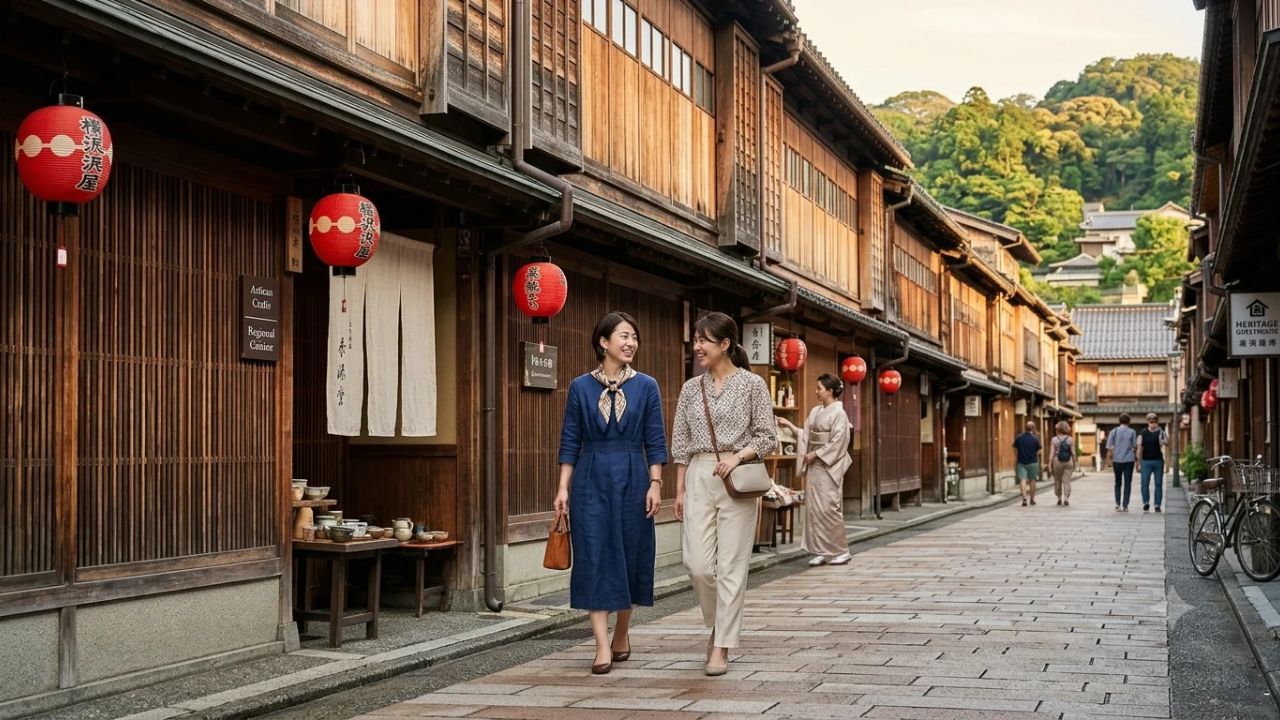
Kanazawa and Secondary Asian Cities Surge as Overtourism Taxes, Curfews, and High-Speed Rail Reshape Travel Demand in 2026