
Turkey Drives Georgia Tourism Surge with 238,368 Visitors in Q1 2026 Amid Aviation Growth
Turkey emerges as Georgia's primary visitor source in early 2026, fueling a 4% rise in airport passenger traffic despite a slight dip in overall international arrivals.

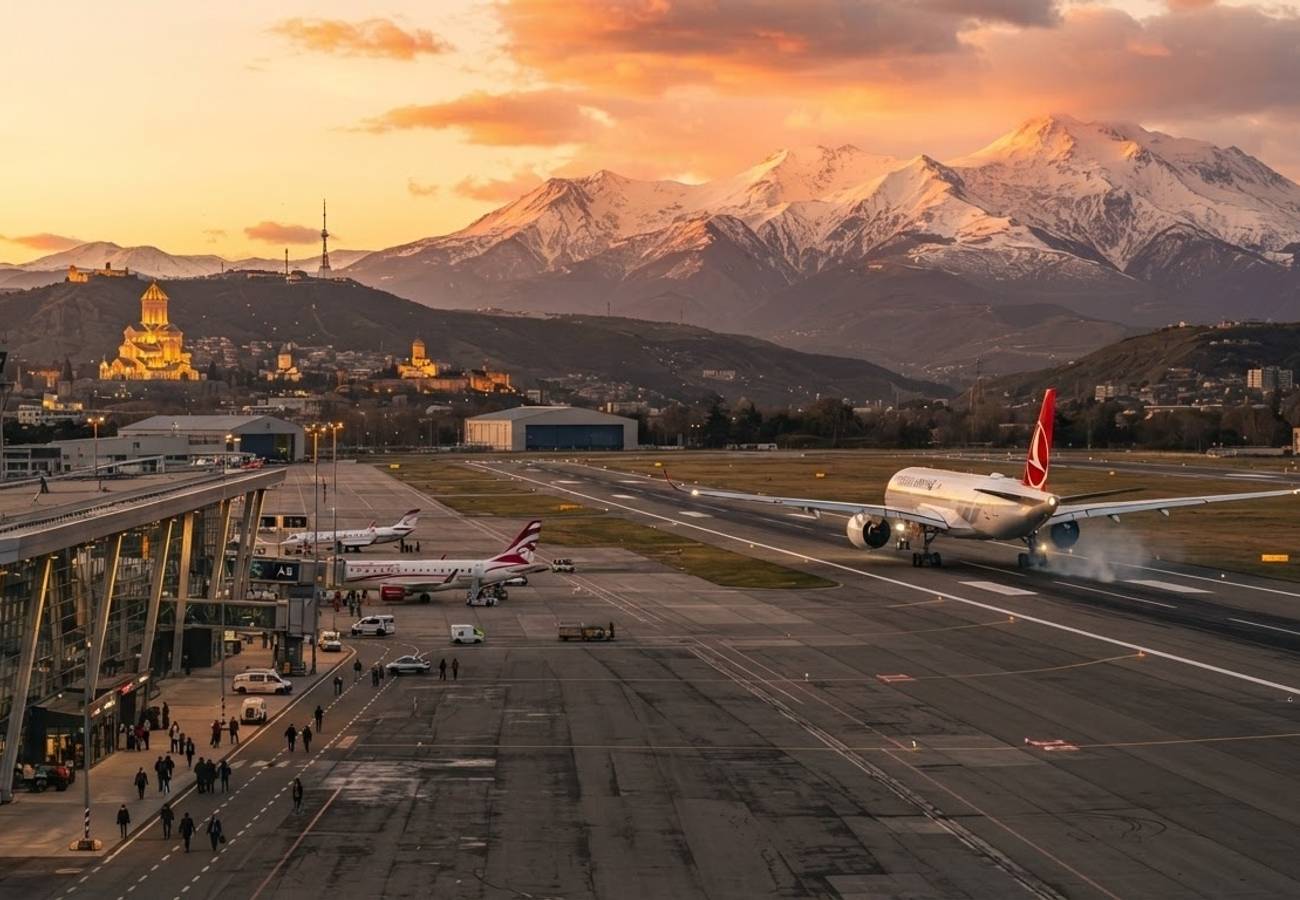
Image generated by AI
Turkey has officially become the primary engine for Georgian tourism, recording 238,368 visits in the first quarter of 2026. This surge has pushed total airport passenger volumes up by over 4% year-on-year, offsetting a slight decline in global travel demand.
The Regional Shift in Visitor Demographics
Georgia's tourism sector is undergoing a strategic pivot. While total international arrivals for the first quarter of 2026 sat at approximately 1.3 million—a marginal decrease of 1.1% compared to the previous year—the composition of these visitors has shifted. Turkey has now outpaced traditionally dominant markets, including Russia, Azerbaijan, and Armenia, as well as emerging segments from the UK and European Union.
This trend highlights a growing reliance on short-haul regional connectivity. The resilience of the Turkish market is particularly notable given the current geopolitical climate and a general softening of spending across several international visitor groups. While long-haul markets have seen a dip, the proximity and ease of access between Turkey and Georgia have created a stable corridor of travel.
Aviation Performance: Hub Consolidation
The growth in passenger numbers has not been distributed evenly across the country's gateways. Data from the Civil Aviation Agency reveals a clear consolidation of traffic toward the capital and low-cost hubs.
| Airport | Q1 2026 Passenger Volume | Year-on-Year Change |
|---|---|---|
| Tbilisi International | ~1.1 Million | +8% |
| Kutaisi International | ~386,000 | +7% |
| Batumi International | ~116,000 | -25% |
Tbilisi remains the primary international gateway, while Kutaisi continues to solidify its role as the preferred entry point for budget-conscious travelers. In contrast, Batumi has seen a significant downturn, likely due to reduced seasonal capacity and a shift in traffic toward the more connected hubs of Tbilisi and Kutaisi.
The broader aviation sector showed an aggressive start to the year. In January 2026 alone, Georgian airports handled 613,933 passengers—a 16% increase over January 2025. Furthermore, air cargo volumes spiked by nearly 39%, signaling that Georgia is becoming a more vital logistics node in the region.
Cultural and Environmental Value
For the visitor, this shift toward regional travel encourages a deeper exploration of the Caucasus beyond the typical "bucket list" stops. The increase in Turkish visitors, who often utilize both air and land routes, supports a more distributed economic impact across border towns and rural guesthouses.
However, the National Statistics Office of Georgia notes a divergence: while headcount remains stable, tourism-related expenditures fell by roughly 5%. This suggests a transition toward "slow travel" and budget-conscious itineraries. To counter this, the Georgian National Tourism Administration and local hospitality bodies are pivoting toward high-value experiences—such as wine tourism in Kakheti and mountain trekking in Svaneti—to encourage longer stays and higher per-visitor spending.
Visitor Insider Tips
To navigate Georgia during this period of growth, travelers should consider the following local insights:
- The Kutaisi Shortcut: For those flying via low-cost carriers into Kutaisi, avoid the expensive airport taxis. Use the official shuttle buses to the city center and utilize the local "marshrutka" (minibus) network to reach the highlands.
- Off-Peak Window: To avoid the crowds driven by regional surges, visit the capital in late February or early March. The weather is crisp, and the crowds at the Holy Trinity Cathedral are significantly thinner.
- Dining Etiquette: When dining in traditional "Saloons," remember that the Supra (Georgian feast) is a social event. If invited, it is customary to engage with the Tamada (toastmaster).
- Sustainable Transit: Support the local economy by hiring licensed regional guides for the Upper Svaneti region, ensuring tourism revenue reaches remote mountain communities.
Tourism Outlook
The long-term trajectory for Georgia depends on its ability to diversify its source markets while maintaining the strong link with Turkey. Turkish carriers—including Turkish Airlines, Pegasus, and Wizz Air—provide the critical infrastructure that connects Georgia to the wider Middle East and Europe.
As Georgia enters the peak summer season, the focus will likely shift from sheer volume to value. By leveraging its cultural heritage and expanding its eco-tourism offerings, Georgia aims to transform the current surge of regional visitors into a sustainable, high-yield tourism economy.
Georgia's aviation recovery is no longer just about returning to pre-pandemic levels; it is about redefining its role as the gateway between East and West.
Related Travel Guides
Disclaimer
This article is for informational and educational purposes only. It does not constitute legal, financial, or professional advice. While we strive to provide accurate and up-to-date information, travel policies, regulations, and conditions change rapidly. Always verify information with official sources before making travel decisions. Nomad Lawyer makes no representations about the accuracy, reliability, completeness, or suitability of the information provided. Readers should consult qualified professionals for advice specific to their circumstances. The views expressed in this article are those of the author and do not necessarily reflect the views of Nomad Lawyer.
Kunal K Choudhary
Co-Founder & Contributor
A passionate traveller and tech enthusiast. Kunal contributes to the vision and growth of Nomad Lawyer, bringing fresh perspectives and driving the community forward.
Learn more about our team →