
TSA Carry-On Hammocks Policy vs. Airport Terminal Rules Explained
TSA allows fabric hammocks in carry-on bags, but local terminal regulations strictly prohibit passengers from deploying them in airport buildings.

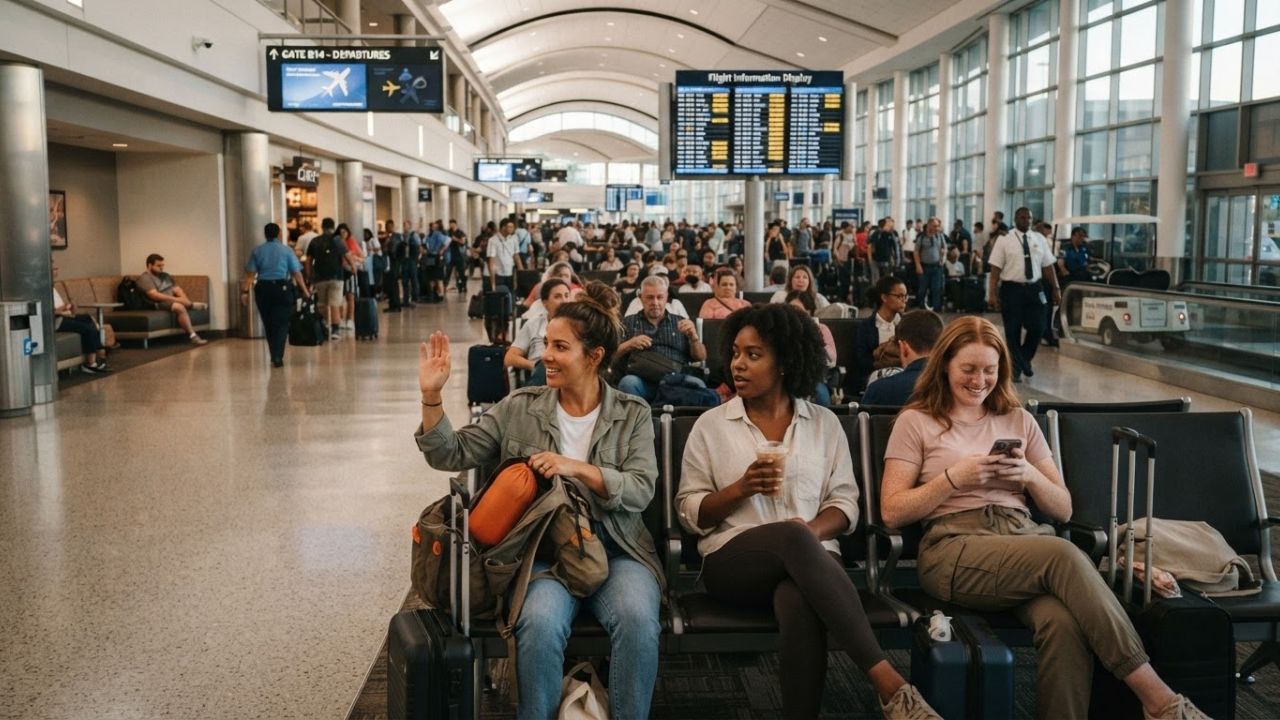
Image generated by AI
The Transportation Security Administration permits travel hammocks to pass through airport security checkpoints as carry-on luggage, but local terminal ordinances strictly prohibit passengers from deploying them. Travelers caught suspending hammocks between columns, seating, or walls face immediate removal, local fines, or flight restrictions.
The Local Trend Revealed
Viral social media videos showing travelers hanging fabric slings between structural columns at busy departure gates have sparked a public misunderstanding regarding airport rules. While the Transportation Security Administration (TSA) confirms these items do not present chemical, explosive, or weaponized threats to aircraft cabin safety, local facility managers enforce distinct regulations:
- TSA Screening Policy: Portable fabric travel hammocks are allowed in carry-on bags alongside standard personal items. The federal agency's approval list evaluates security threats rather than passenger behavior within airport buildings.
- Local Municipal Enforcement: Once past security checkpoints, passengers are governed by local city and county airport codes. Regional departments such as Los Angeles World Airports (LAWA) and the Atlanta Department of Aviation prohibit the attachment of passenger equipment to terminal structures.
- Safety and Structural Hazards: Hanging adult human weight from structural fixtures, water lines, or decorative plaster columns risks causing thousands of dollars in property damage. Suspension ropes create immediate tripping hazards in crowded egress pathways, impeding visually impaired passengers, passenger flow, and emergency rescue crews.
- Penalties for Violations: Travelers who refuse to dismantle suspended gear when instructed by airport police can face immediate eviction from the premises, local structural damage fines, or restricted placement on federal flight manifests.
Local Community & Environmental Value
For the traveler, the real impact of airport layover management is prioritizing public safety and supporting green terminal programs. Choosing green transit connections rather than private rideshares helps reduce regional traffic. Travelers at LAX can take the MTA Metro C Line shuttle to access rail networks, while passengers at ATL can connect directly to the city's MARTA rail station located inside the domestic terminal, lowering local carbon emissions.
Additionally, travelers can support local economies by purchasing snacks, coffee, and reading materials from independent, minority-owned vendors and local bookstore concessions located within the concourses. Supporting these independent operators ensures travel dollars directly benefit local municipal business partners rather than corporate entities.
Visitor Insider Tips for LAX and ATL Airport Travel
Travel specialists recommend the following practices for travelers at LAX and ATL:
- Escape to Outdoor Terraces at LAX: If stuck in a long layover at LAX, skip the crowded boarding gates and head to the outdoor passenger terrace at the Tom Bradley International Terminal (TBIT) for fresh air and plane-spotting.
- Walk the Forest Path at ATL: To relax during delays at Atlanta Hartsfield-Jackson, walk the underground path between Concourses A and B. It features a peaceful art installation simulating a Georgia forest canopy with soft bird sounds.
- Observe the Off-Peak Window: Travel during mid-week mornings (Tuesdays and Wednesdays between 9:00 AM and 11:30 AM). Peak passenger volumes occur during Friday evenings and Sunday afternoons, leading to longer TSA lines and gate crowding.
- Sample Local Culinary Specialties:
- At ATL: Try southern comfort dishes like sweet potato pie or peach cobbler at concourse diners.
- At LAX: Sample fresh California-style avocado toast or street tacos at West Coast concessions.
- Observe Commuter Etiquette: Stand to the right and walk on the left on escalators. Keep electronic devices muted or use headphones at the gates. Never block terminal hallways, emergency exits, or structural columns with luggage. Tipping of 15 to 20 percent is customary for skycaps and shuttle drivers.
- Utilize Quiet Zones: At LAX, seek quiet seating areas on the Tom Bradley International Terminal mezzanine. At ATL, rest at the inter-faith chapels located in Concourses E and F.
Tourism Outlook
The long-term impact of maintaining order in busy transport hubs is the protection of commercial flight efficiency. By directing travelers toward designated rest zones, sleep pods, and premium lounges, airport directors prevent congestion, ensuring the safety of millions of domestic and international transit passengers, as monitored by the Federal Aviation Administration (FAA).
FAQ: TSA Carry-On Hammocks and Terminal Rules
Does the TSA allow travel hammocks in carry-on luggage? Yes. Fabric travel hammocks are fully permitted through TSA security checkpoints because they do not present explosive or weaponized safety threats.
Can passengers hang hammocks at airport boarding gates? No. Local airport authorities and municipal police strictly ban the deployment of hammocks in terminal buildings due to structural safety concerns and passenger tripping hazards.
What transit options exist to reduce carbon emissions at LAX and ATL? LAX offers the MTA Metro C Line shuttle connection, while ATL features a direct MARTA subway station inside the domestic terminal, reducing regional road emissions.
Where can passengers rest during long airport layovers? Travelers should utilize official quiet zones, inter-faith chapels, airline lounges, or short-term sleep pods rather than attempting to set up outdoor camping gear.
Related Travel Guides
Disclaimer
This article is for informational and educational purposes only. It does not constitute legal, financial, or professional advice. While we strive to provide accurate and up-to-date information, travel policies, regulations, and conditions change rapidly. Always verify information with official sources before making travel decisions. Nomad Lawyer makes no representations about the accuracy, reliability, completeness, or suitability of the information provided. Readers should consult qualified professionals for advice specific to their circumstances. The views expressed in this article are those of the author and do not necessarily reflect the views of Nomad Lawyer.
Raushan Kumar
Founder & Lead Developer
Full-stack developer with 11+ years of experience and a passionate traveller. Raushan built Nomad Lawyer from the ground up with a vision to create the best travel and law experience on the web.
Learn more about our team →