
TSA Bag Seizure at Las Vegas Harry Reid Airport Leads to Potential 10-Year Sentence in 2026
A federal charge following the discovery of 50 pounds of methamphetamine at Harry Reid International Airport highlights an aggressive 2026 trend in airport narcotics interception.

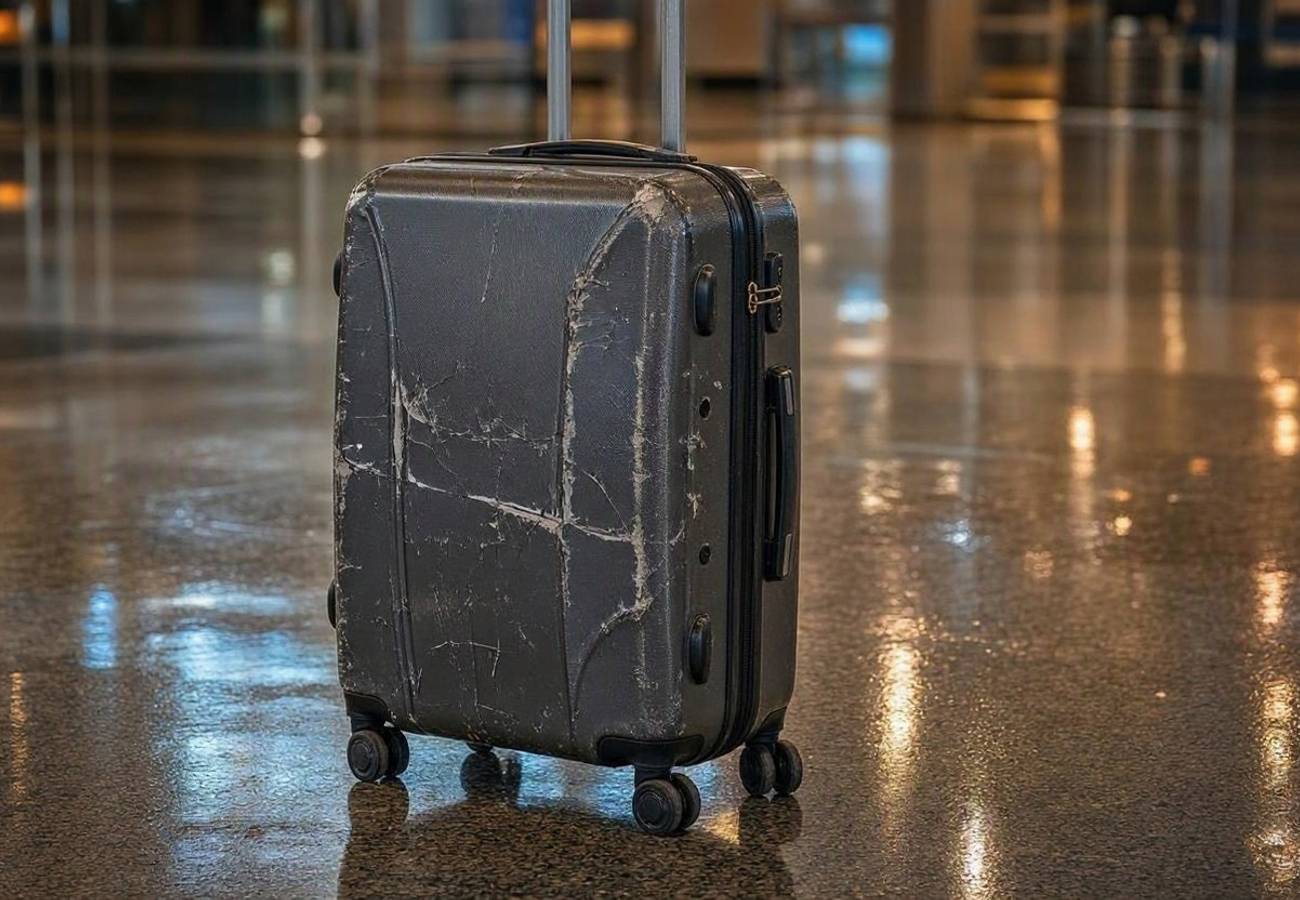
Image generated by AI
Federal narcotics seizures at U.S. airports have shifted from isolated incidents to high-volume interceptions, with recent hauls reaching up to 65 pounds per passenger. The current legal trajectory for these offenses is severe; a recent case at Harry Reid International Airport demonstrates that a single checked-bag violation can now result in a mandatory minimum sentence of 10 years to life in prison.
The Narcotics Interception Trend in Numbers
The scale of illicit materials being intercepted by the Transportation Security Administration (TSA) in 2026 reveals a pattern of high-volume trafficking attempting to utilize commercial aviation hubs. In July 2026, a traveler identified as Tamya Norwood checked two suitcases at Harry Reid International Airport. Screening processes uncovered nearly 50 pounds of methamphetamine.
This is not an isolated event but part of a broader 2026 surge in airport-based narcotics discoveries. In January 2026, the DEA reported a similar volume at O'Hare International Airport, where two women arriving from Los Angeles were found with approximately 48 pounds of cocaine. By September 2026, U.S. Customs and Border Protection (CBP) intercepted 65 pounds of khat, valued at $8,000, at Washington Dulles International Airport from a passenger arriving from Morocco.
The legal repercussions have scaled alongside the volume. The charge of possession with intent to distribute a controlled substance in federal court now carries a minimum 10-year sentence, with the maximum penalty extending to life imprisonment.
Comparative Analysis of 2026 Airport Seizures
When comparing regional interceptions, there is a clear trend of "bulk shipping" via checked luggage across major U.S. hubs. While some passengers attempt creative concealment—such as the March 2026 incident at San Diego International Airport where methamphetamine was hidden inside a massage gun—the most significant legal threats are emerging from high-weight bulk seizures.
| Airport Location | Date (2026) | Substance | Quantity | Legal Outcome/Status |
|---|---|---|---|---|
| Harry Reid (LAS) | July 1 | Methamphetamine | ~50 lbs | Trial set for Dec 14; 10y to Life |
| O'Hare (ORD) | January 9 | Cocaine | ~48 lbs | Federal Charges Filed |
| Washington Dulles (IAD) | September 25 | Khat | ~65 lbs | Arrested for Intent to Distribute |
| San Diego (SAN) | March | Methamphetamine | Undisclosed | Intercepted via Massage Gun |
This data suggests that the Department of Homeland Security (DHS) is prioritizing the disruption of "conduits" rather than just individual users, targeting the logistics of narcotics distribution within the domestic and international flight network.
What This Means for Travelers
For the average traveler, these high-profile seizures signal an increase in the scrutiny of checked luggage. While the vast majority of bags pass through without manual intervention, the TSA's aggressive stance on narcotics means that secondary screenings are becoming more frequent and rigorous.
Actionable Booking and Packing Advice:
- Expect Lock Compromise: Data from traveler reports indicates that "TSA-approved" locks are not a guarantee of security. Officers frequently cut locks—including built-in zipper locks—if they cannot be opened with master keys. If you are traveling in Q4 2026, do not rely on locks to protect fragile items; instead, use internal organizers.
- Optimize for Screening: To minimize the likelihood of a manual bag search (and the risk of damaged locks), pack in neat, distinct layers. This allows X-ray technicians a clearer view, reducing the need for physical intervention.
- Verify Prohibited Items: Always cross-reference the current IATA guidelines or TSA prohibited items list. Even legal medications in large quantities without prescriptions can trigger a secondary search that may delay your transit.
Projections for Airport Security Trajectory
Based on the current trajectory of 2026 seizures, we expect a further integration of AI-driven screening technology at major hubs like Harry Reid and O'Hare. The shift from finding "hidden" items (like the San Diego massage gun case) to intercepting "bulk" shipments suggests that TSA is refining its ability to detect organic mass densities more accurately.
Furthermore, the aggressive prosecution of travelers—moving from simple confiscation to seeking life sentences—indicates a policy shift toward using commercial aviation security as a primary tool for federal drug enforcement. Travelers should expect increased "secondary examination" referrals, particularly on routes connecting major narcotics transit hubs.
FAQ: Airport Security and Bag Seizures 2026
Will these narcotics raids lead to longer security lines? Yes. Increased secondary screenings and the discovery of bulk contraband can lead to temporary delays in baggage handling and processing, though passenger security checkpoints remain separate from checked bag screening.
Is it safe to use TSA-approved locks in 2026? They are useful for theft prevention, but not for preventing TSA access. Be prepared for the possibility that locks may be cut during a manual inspection.
Which airports currently have the highest scrutiny? Major hubs like Harry Reid (LAS), O'Hare (ORD), and Washington Dulles (IAD) have shown high rates of significant seizures in 2026, suggesting intensified screening protocols.
The line between a routine flight and a federal felony now rests on the contents of a checked suitcase.
Related Travel Guides
Disclaimer
This article is for informational and educational purposes only. It does not constitute legal, financial, or professional advice. While we strive to provide accurate and up-to-date information, travel policies, regulations, and conditions change rapidly. Always verify information with official sources before making travel decisions. Nomad Lawyer makes no representations about the accuracy, reliability, completeness, or suitability of the information provided. Readers should consult qualified professionals for advice specific to their circumstances. The views expressed in this article are those of the author and do not necessarily reflect the views of Nomad Lawyer.
Naina Thakur
Contributor & Travel Specialist
Travel enthusiast and legal writer covering visa regulations, responsible tourism, and cultural journeys across global destinations.
Learn more about our team →