
Uttar Pradesh Deploy 110 Electric Buses for Jewar Airport June Launch
Uttar Pradesh will deploy 110 electric buses to strengthen ground connectivity ahead of Noida International Airport's June 15 operations debut in 2026, marking a major green transportation milestone.

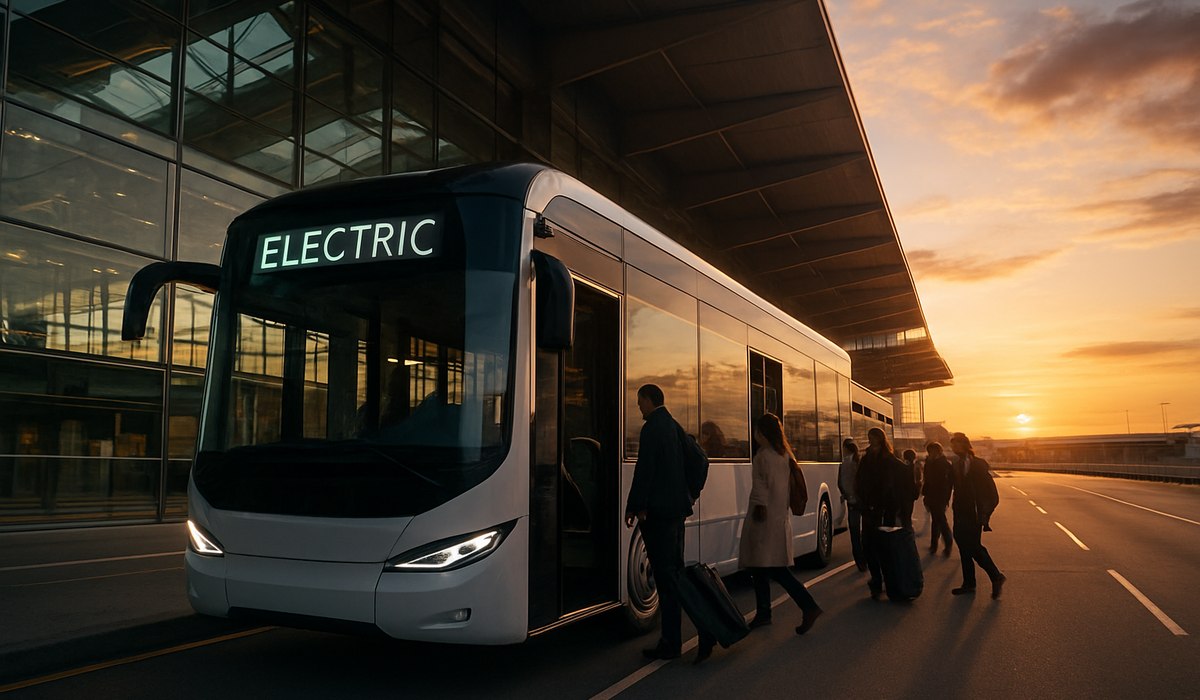
Image generated by AI
Uttar Pradesh Deploys 110 Electric Buses Ahead of Jewar Airport Opening
Uttar Pradesh Chief Minister Yogi Adityanath has mandated deployment of 110 electric buses in the initial phase to bolster ground connectivity to Noida International Airport at Jewar before commercial flight operations commence on June 15, 2026. The state government's decision reflects a significant commitment to sustainable airport infrastructure and enhanced passenger accessibility across the National Capital Region. This electric bus initiative represents one of India's most ambitious airport ground transportation projects, combining climate-conscious planning with critical travel logistics ahead of the airport's highly anticipated launch.
The deployment directive emerged during the fourth State Transformation Commission meeting, where officials reviewed progress on expressways, logistics hubs, industrial parks, and infrastructure developments critical to the airport's operational readiness. The green transportation initiative will substantially improve connectivity between Delhi, Noida, and surrounding satellite cities to the new airport terminal.
Electric Bus Fleet Strengthens Airport Access
The uttar pradesh deploy strategy centers on integrating 110 electric buses across multiple routes serving Jewar Airport. This fleet will operate dedicated corridors connecting major transportation hubs, railway stations, and metro terminals throughout Noida and the broader NCR region. Electric vehicles eliminate emission concerns while reducing operational costs compared to traditional diesel-powered transit systems.
The buses feature modern amenities including real-time passenger information systems, climate control, and wheelchair accessibility standards. Route planning prioritizes connectivity from Delhi's primary train stations, metro interchange points, and highway entry points. Officials have coordinated with state transport authorities to ensure seamless integration with existing public transit networks. The fleet's staggered deployment timeline allows operators to optimize scheduling and staff training before peak travel season. Enhanced ground connectivity directly impacts airline operations by reducing passenger transfer times and improving airport accessibility metrics measured by aviation authorities.
Jewar Airport Launch Timeline and Infrastructure Plans
Noida International Airport at Jewar represents a transformative development for Delhi's aviation sector, with commercial operations beginning June 15, 2026. The facility will initially handle significant passenger volumes, with capacity for approximately 12 million annual passengers in its first operational phase. Infrastructure development has progressed across terminal buildings, taxiways, cargo facilities, and passenger amenities.
The electric bus network forms a critical component of the airport's ground transportation master plan. State planners have designed the system to accommodate peak travel periods during morning and evening peak hours. Terminal connectivity emphasizes direct access to departure and arrival levels, minimizing passenger walking distances. Integration with existing highway systems ensures smooth traffic flow during high-volume periods. The buses will operate on 24-hour service schedules, accommodating early morning and late-night flight operations typical of major international airports.
State Government's Green Transportation Initiative
Uttar Pradesh's commitment to electric mobility extends beyond airport operations, reflecting broader state policy objectives for environmental sustainability. The electric bus deployment aligns with India's National Electric Mobility Mission Plan 2020, targeting reduction of transport-sector carbon emissions. State officials have partnered with leading bus manufacturers to procure vehicles meeting international emission standards and safety specifications.
The initiative creates employment opportunities across manufacturing, maintenance, and operations sectors. Charging infrastructure development supports the expanding electric vehicle ecosystem across the state. Technical training programs prepare drivers and maintenance personnel for electric vehicle operations, differing significantly from conventional diesel bus maintenance protocols. Fleet management systems employ GPS tracking and predictive maintenance technologies to optimize service reliability. Battery recycling programs address environmental concerns associated with vehicle lifecycle management, establishing circular economy principles within state transportation infrastructure.
Impact on Regional Connectivity and Travel
Enhanced ground connectivity from Jewar Airport will reshape travel patterns across Northern India's aviation corridor. Passengers arriving from domestic and international flights gain immediate access to affordable, environmentally conscious ground transportation options. The electric bus system reduces overall travel costs compared to private taxi services or ride-sharing platforms, benefiting economy-class and budget-conscious travelers.
Improved connectivity strengthens Noida's position as a secondary aviation hub, distributing passenger volume away from Delhi's congested Indira Gandhi International Airport. Regional airports throughout Uttar Pradesh benefit from enhanced air service accessibility. Business travelers gain efficient airport access without reliance on private vehicles, supporting corporate sustainability goals. Tourism promotion improves significantly with comfortable, reliable ground transportation connecting heritage sites, pilgrim destinations, and industrial parks. Real estate development accelerates in proximity to bus routes, as improved accessibility enhances property valuations and commercial opportunities.
Key Data Points: Electric Bus Deployment and Airport Operations
| Metric | Details |
|---|---|
| Electric Buses Deployed (Phase 1) | 110 vehicles |
| Jewar Airport Operations Launch | June 15, 2026 |
| Initial Passenger Capacity | 12 million annually |
| Bus Route Coverage | Delhi NCR region |
| Service Frequency | 24-hour operations |
| Emission Reduction Target | 100% zero-exhaust transport |
| Charging Stations | Multiple terminals and depots |
| Average Bus Seating Capacity | 40-50 passengers per vehicle |
What This Means for Travelers
Passengers utilizing Noida International Airport at Jewar benefit directly from this transportation initiative. Here's how this development affects your travel experience:
-
Immediate ground transportation access – Arrive at Jewar Airport and board clean, modern electric buses within minutes without expensive taxi negotiations.
-
Cost-effective connectivity – Electric bus fares remain significantly lower than private transportation, reducing total travel expenses for budget-conscious passengers.
-
Environmental responsibility – Choose zero-emission ground transportation aligning with sustainability-conscious travel preferences and corporate environmental policies.
-
Seamless metro/rail integration – Connect directly from Delhi metro stations and railway terminals to airport departure halls via dedicated electric bus corridors.
-
Reliable scheduling – GPS-tracked buses provide real-time arrival predictions through mobile applications, eliminating uncertainty associated with traditional taxi services.
-
Accessible facilities – Wheelchair-accessible buses accommodate passengers with mobility challenges, ensuring inclusive airport access across all traveler demographics.
-
Safe, monitored vehicles – Modern security systems and surveillance equipment provide passenger safety throughout airport transfer journeys.
For real-time flight information and to check airport operational details, visit FlightAware for live tracking capabilities. Review passenger rights and protections through the U.S. Department of Transportation's Air Consumer Protection Division, which establishes industry standards applicable to international flight operations.
Frequently Asked Questions
When will the 110 electric buses begin operating at Jewar Airport?
The buses will commence operations coordinated with the airport's June 15, 2026 commercial launch date. Initial deployment phases will see gradual introduction of services across primary connectivity routes. Full fleet integration is anticipated within 30-60 days following airport opening to accommodate passenger volume growth.
Which transportation hubs connect to the electric bus network?
Major connections include Delhi Metro stations, Indian Railway terminals in Delhi and Noida, the Central Bus Stand, and highway entry points from Agra, Meerut, and eastern Uttar Pradesh. Direct shuttle service connects to major hotels and commercial centers throughout Noida's CBD.
What are the operating hours for airport connectivity buses?
The fleet operates on 24-hour service schedules accommodating overnight flights and early morning departures. Standard frequency ranges from 15-30 minute intervals during peak hours (6 AM-11 PM) and 45-60 minute intervals during off-peak periods.
How can travelers access real-time bus schedule information?
Mobile applications managed by Uttar Pradesh state transport authorities provide real-time bus location tracking, arrival predictions, and fare calculations. Information displays throughout airport terminals show bus schedules, route maps, and accessibility features.
Related Travel Guides
Disclaimer
This article is for informational and educational purposes only. It does not constitute legal, financial, or professional advice. While we strive to provide accurate and up-to-date information, travel policies, regulations, and conditions change rapidly. Always verify information with official sources before making travel decisions. Nomad Lawyer makes no representations about the accuracy, reliability, completeness, or suitability of the information provided. Readers should consult qualified professionals for advice specific to their circumstances. The views expressed in this article are those of the author and do not necessarily reflect the views of Nomad Lawyer.
Raushan Kumar
Founder & Lead Developer
Full-stack developer with 11+ years of experience and a passionate traveller. Raushan built Nomad Lawyer from the ground up with a vision to create the best travel and law experience on the web.
Learn more about our team →