
Trieste Emerges as Strategic Green Getaway as 2026 European Heat Alerts Shift Summer Travel
Trieste is seeing a surge in tourism as travelers pivot away from red-zone heat alerts in Italy, with Friuli Venezia Giulia recording over five million overnight stays in early 2026.

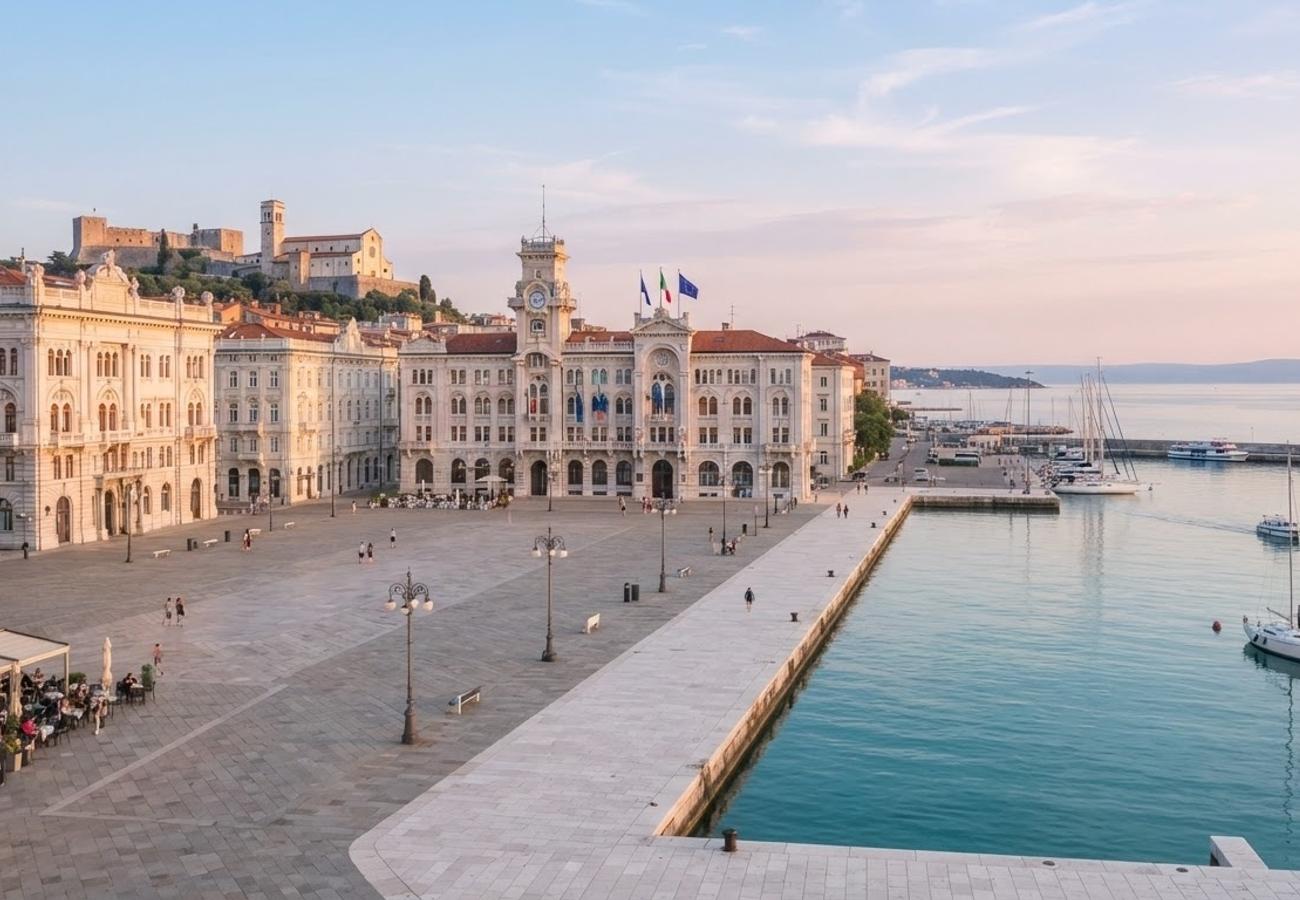
Image generated by AI
Trieste is positioning itself as a tactical alternative for summer travelers as extreme weather warnings reshape European itineraries. Recent data shows a significant influx of international visitors seeking lower-risk environments during peak heat episodes.
The coastal city of Trieste has emerged as a "Green Getaway" for those avoiding the most severe temperature spikes across the continent. Its combination of waterfront scenery, indoor cultural assets, and robust transport links makes it a viable pivot point for travelers adjusting their plans in real-time.
Between January and mid-July 2026, the Friuli Venezia Giulia region recorded over five million overnight stays. International travelers accounted for approximately 60% of this volume, signaling a strong global appetite for the region's specific climate and cultural offerings.
Market Analysis: International Reach of Trieste
While official municipal rankings for the first seven months of 2026 are pending, regional data identifies several key markets driving growth. The city's accessibility via rail, road, and air has expanded its reach beyond traditional neighboring borders.
Strategic Visitor Markets and Access Points
| Source Market | Relevance to Trieste Tourism | Primary Connection Method |
|---|---|---|
| Austria | Established regional market | Road and rail |
| Germany | Traditional international market | Air, rail, and road |
| Slovenia | Major cross-border market | Short-distance road and rail |
| Croatia | Important Adriatic market | Road and coastal links |
| Hungary | Growing Central European market | Road, rail, and air |
| Poland | Expanding regional market | Flights and overland |
| Czech Republic | Growing Central European market | Road, rail, and air |
| Slovakia | Emerging visitor market | Overland and aviation |
| United Kingdom | Wider regional growth | Direct and connecting flights |
| United States | Developing long-haul market | Connecting international flights |
| Spain | Improving connectivity | Direct and connecting air |
| Ireland | Strengthened via Dublin | Air travel |
| Japan | Strategic long-haul development | Connecting flights |
| Scandinavia | Targeted regional promotion | Direct and connecting air |
The Heat-Health Monitoring System: Impact on Logistics
European travel planning is increasingly dictated by color-coded heat warnings. These classifications—green, yellow, orange, and red—serve as health indicators rather than mandatory travel bans. While they do not trigger automatic cancellations of flights or hotels, they fundamentally alter the "on-the-ground" experience.
Red-Zone Risks (Level 3)
The red warning is the most severe tier of Italy’s national monitoring system. As of August 14, 2026, the following destinations were under Level 3 warnings:
- Affected Cities: Bari, Bolzano, Cagliari, Genoa, Messina, Palermo, and Reggio Calabria.
- Operational Impact: High risk for all demographics, including healthy young adults.
- Logistical Constraints: Long walking tours and midday outdoor excursions are deemed unsafe. Physical demands are heightened in cities like Genoa (steep streets) and Bolzano (outdoor routes).
Orange-Zone Caution (Level 2)
Orange warnings indicate serious risks primarily affecting vulnerable populations (children, elderly, and those with chronic illnesses).
- Status on August 14, 2026: None of the 27 monitored cities were classified as orange.
- Trend Note: Cagliari recently shifted from orange to red during the current August heat episode.
- Business Response: Tour operators in these zones typically shorten routes or reschedule activities to avoid peak heat.
Yellow-Zone Early Warnings (Level 1)
Yellow warnings act as a precursor to potential heatwaves. On August 14, 2026, this category included:
- Major Hubs: Rome, Florence, Venice, Naples, Milan, Turin, and Trieste.
- Other Cities: Ancona, Bologna, Brescia, Campobasso, Catania, Civitavecchia, Frosinone, Latina, Perugia, Pescara, Rieti, Verona, and Viterbo.
- The Trieste Context: Although marketed as a "Green Getaway," Trieste was officially in the yellow zone on August 14. Its "green" status represents temporary windows of lower risk rather than permanent immunity to heat.
Why This Matters: The Shift in Tourism Logistics
From a logistical perspective, the rise of "climate-aware" itinerary planning represents a fundamental shift in how European tourism operates. We are seeing the end of the static "Summer Grand Tour."
For travelers, the real impact is the transition to Dynamic Scheduling. Rather than abandoning a destination, visitors are shifting their consumption patterns:
- Indoor Migration: Museums and galleries are seeing peak occupancy during the 12:00 PM to 4:00 PM window.
- Temporal Shifting: Walking tours are moving to 6:00 AM starts, with "night-time tourism" becoming a primary revenue driver for city centers.
- Seasonality Pivot: There is a growing trend toward "shoulder-season" travel (spring and autumn) to avoid the volatility of the August heat-health system.
Our analysis suggests that cities like Trieste, which can offer a mix of coastal cooling and indoor cultural depth, will see sustained growth as they become "safe harbor" destinations for those fleeing red-zone urban centers.
Forward Outlook
Expect a permanent integration of heat-health data into travel booking platforms. Future itineraries will likely be suggested based on real-time "zone" status. Furthermore, the reliance on "Green Getaways" will likely drive infrastructure investment in secondary cities, reducing the pressure on over-saturated hubs like Rome and Venice during the summer months.
The era of the fixed summer itinerary is being replaced by a fluid, weather-driven approach to European exploration.
Related Travel Guides
Disclaimer
This article is for informational and educational purposes only. It does not constitute legal, financial, or professional advice. While we strive to provide accurate and up-to-date information, travel policies, regulations, and conditions change rapidly. Always verify information with official sources before making travel decisions. Nomad Lawyer makes no representations about the accuracy, reliability, completeness, or suitability of the information provided. Readers should consult qualified professionals for advice specific to their circumstances. The views expressed in this article are those of the author and do not necessarily reflect the views of Nomad Lawyer.
Preeti Gunjan
Contributor & Community Manager
A passionate traveller and community builder. Preeti helps grow the Nomad Lawyer community, fostering engagement and bringing the reader experience to life.
Learn more about our team →