
Australia Islamic Economy Reaches Nine Billion Dollars Supported By Fast Growing Halal Tourism Sector And Sixteen Billion Dollar Food Exports
Australia's Islamic economy approaches a record $9 billion, with halal tourism spending projected to reach $1.7 billion by 2028 under an 8.7% annual growth rate.

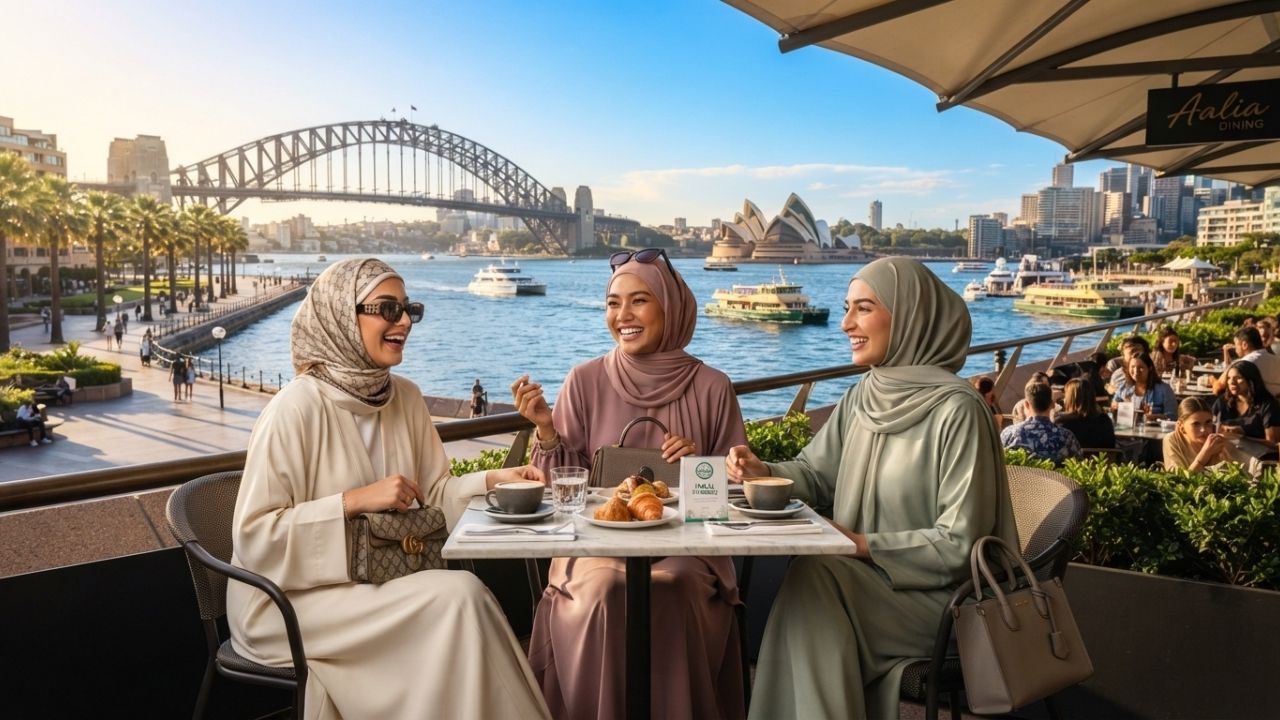
Image generated by AI
Australia’s Islamic economy is expanding rapidly, with Muslim consumer spending approaching $9 billion. Halal tourism has emerged as the fastest-growing sector, with spending projected to reach $1.7 billion by 2028 under a robust 8.7 percent annual growth rate. According to industry reports, the national expansion is supported by $16 billion in global halal exports and a growing domestic Muslim community of over one million people.
This economic shift reflects a broader global transformation, where the halal market serves nearly two billion consumers with spending projected to exceed $4.3 trillion. Australian businesses are increasingly recognizing the commercial potential of tailoring services and products to values-based consumer requirements, including ethical sourcing, clean labeling, and culturally aware hospitality.
Tourism Sectors: Tracking the Rise of Muslim Friendly Travel in Australia
The traveler segment is driving rapid changes across Australia's leisure and hospitality industries.
Muslim-friendly tourism spending is expected to reach $1.7 billion by 2028, growing at an annual rate of 8.7 percent. This expansion is supported by international arrivals seeking dedicated prayer facilities, halal-certified dining options, and family-oriented recreational venues. In addition to inbound travelers, Australia’s domestic Muslim population of more than one million residents is contributing to steady hotel occupancy and tourism spending throughout the year.
Food Exports: Reviewing Australia’s $16 Billion Halal Trade Share
Australia has established a strong position in global trade as a primary supplier of agricultural goods to Organisation of Islamic Cooperation (OIC) markets.
The country exports approximately $16 billion worth of halal-certified goods annually, with food products accounting for 97 percent of the total trade value. Competing with major global producers like Brazil and India, Australia supplies high-quality agricultural commodities to the Middle East and Southeast Asia. Key trade categories include wheat at $3 billion, sheep and goat meat contributing $1.64 billion, and dried legumes at nearly $1.49 billion.
Consumer Goods: Expanding Halal Cosmetics and Pharmaceuticals Markets
Beyond food and tourism, the demand for certified personal care and healthcare products is expanding.
Over the past five years, Australia's halal cosmetics and pharmaceutical sectors have grown at twice the average global rate. Halal cosmetics are projected to record a 100 percent increase in volume, while certified pharmaceutical products are expected to grow by 75 percent. Consumers are increasingly prioritizing product transparency and ethical manufacturing, prompting local brands to pursue formal certification to enter lucrative export markets.
Financial Markets: Assessing Regulatory Challenges in Islamic Finance
The financial services sector shows potential, with current Islamic finance assets and funds estimated at $1 billion.
However, the industry faces regulatory complexities and structural barriers that limit its growth compared to conventional banking. Islamic finance operates on interest-free models, focusing on risk-sharing, asset-backed transactions, and ethical investment guidelines. Industry advocates suggest that establishing clearer federal policy and specialized licensing pathways would unlock substantial capital from both domestic consumers and foreign institutional investors.
Why This Matters (Information Gain & Experience)
For the traveler, this means that exploring Australia's major cities and natural parks is becoming much more accessible. The growth of halal-friendly infrastructure means that major hotels, airports, and visitor centers in cities like Sydney and Melbourne are increasingly offering certified dining and prayer spaces.
From a planning perspective, travelers should look for certified operators via official state tourism directories to ensure accommodations align with their requirements. Additionally, the expansion of local halal food and cosmetics options makes it easier for long-term visitors and students to find trusted products without having to rely on imports.
Data Tables
Table 1: Key Australian Halal Export Categories
| Australian Halal Export Category | Global Export Value (USD) | Share of Halal Export Market | Primary Destination Markets |
|---|---|---|---|
| Agricultural Wheat | $3,000,000,000 | 18.75% of total | OIC member countries |
| Sheep & Goat Meat | $1,640,000,000 | 10.25% of total | OIC member countries |
| Dried Legumes | $1,490,000,000 | 9.31% of total | OIC member countries |
| Other Halal Food Exports | $10,870,000,000 | 67.94% of total | Global halal food corridors |
| Total Halal Exports | $16,000,000,000 | 100.00% | Global agricultural trade network |
Table 2: Islamic Economy Segment Performance Projections
| Islamic Economy Market Segment | Current Performance Indicator | Projected Growth Target | Strategic Economic Driver |
|---|---|---|---|
| Halal Travel & Tourism | Baseline leisure spending | $1.7 Billion by 2028 (+8.7% CAGR) | Growing international and domestic demand |
| Halal Certified Cosmetics | Expanding niche market | ~100% projected growth | Consumer focus on safety and transparency |
| Halal Pharmaceuticals | Expanding healthcare sector | ~75% projected increase | Rise in ethical values-based consumption |
| Islamic Financial Assets | Estimated at $1.0 Billion | Pending regulatory clarity | Ethical risk-sharing investment services |
Key Takeaways
- Market Expansion: Australia’s Islamic economy approaches $9 billion in consumer spending, driven by trade and tourism.
- Tourism Surge: Halal-friendly travel is the fastest-growing sector, expected to reach $1.7 billion by 2028.
- Export Strength: Global halal exports total $16 billion, with agricultural food products accounting for 97% of the value.
- Niche Growth: Halal cosmetics are projected to grow by 100%, and certified pharmaceuticals are expected to rise by 75%.
- Finance Potential: Islamic finance assets stand at $1 billion, but require updated regulatory frameworks to expand.
FAQ
What is the total size of Australia's Islamic economy?
Muslim consumer spending in Australia is approaching $9 billion, making it a key contributor to the national economy.
How fast is the halal tourism sector growing in Australia?
Halal-friendly tourism is growing at an annual rate of 8.7 percent, with spending projected to reach $1.7 billion by 2028.
What are the main halal food products exported from Australia?
Key food exports include wheat ($3 billion), sheep and goat meat ($1.64 billion), and dried legumes ($1.49 billion).
How large is Australia's domestic Muslim population?
Australia is home to more than one million Muslim residents, who are driving domestic demand for halal services.
What is the current value of Australia's Islamic finance assets?
Islamic finance assets and funds are estimated at $1 billion, though growth is limited by regulatory complexities.
Related Travel Updates and Regional Guides
- Related: Porto Santo Complements Funchal With Luxair Luxembourg Flights, New Airport Terminal Tender and Integrated Buses to Support Sustainable Tourism
- Related: Ireland Tourism Growth Gathers Momentum as Spain, United States and Germany Drive Inbound Leisure Travel Across Five Months in 2026
- Related: Five Affordable Winter Sun Destinations Offering Competitive Travel Packages Outside of Europe for the 2026-2027 Season
Disclaimer
This article is for informational and educational purposes only. It does not constitute legal, financial, or professional advice. While we strive to provide accurate and up-to-date information, travel policies, regulations, and conditions change rapidly. Always verify information with official sources before making travel decisions. Nomad Lawyer makes no representations about the accuracy, reliability, completeness, or suitability of the information provided. Readers should consult qualified professionals for advice specific to their circumstances. The views expressed in this article are those of the author and do not necessarily reflect the views of Nomad Lawyer.
Kunal K Choudhary
Co-Founder & Contributor
A passionate traveller and tech enthusiast. Kunal contributes to the vision and growth of Nomad Lawyer, bringing fresh perspectives and driving the community forward.
Learn more about our team →