
European Tourism Shift 2026: India Emerges as Asia's Fastest-Growing Destination with 14% Search Surge
New Agoda data reveals India is the top summer 2026 destination for Europeans, outpacing South Korea and Vietnam as travelers pivot toward heritage, wellness, and long-haul cultural experiences.

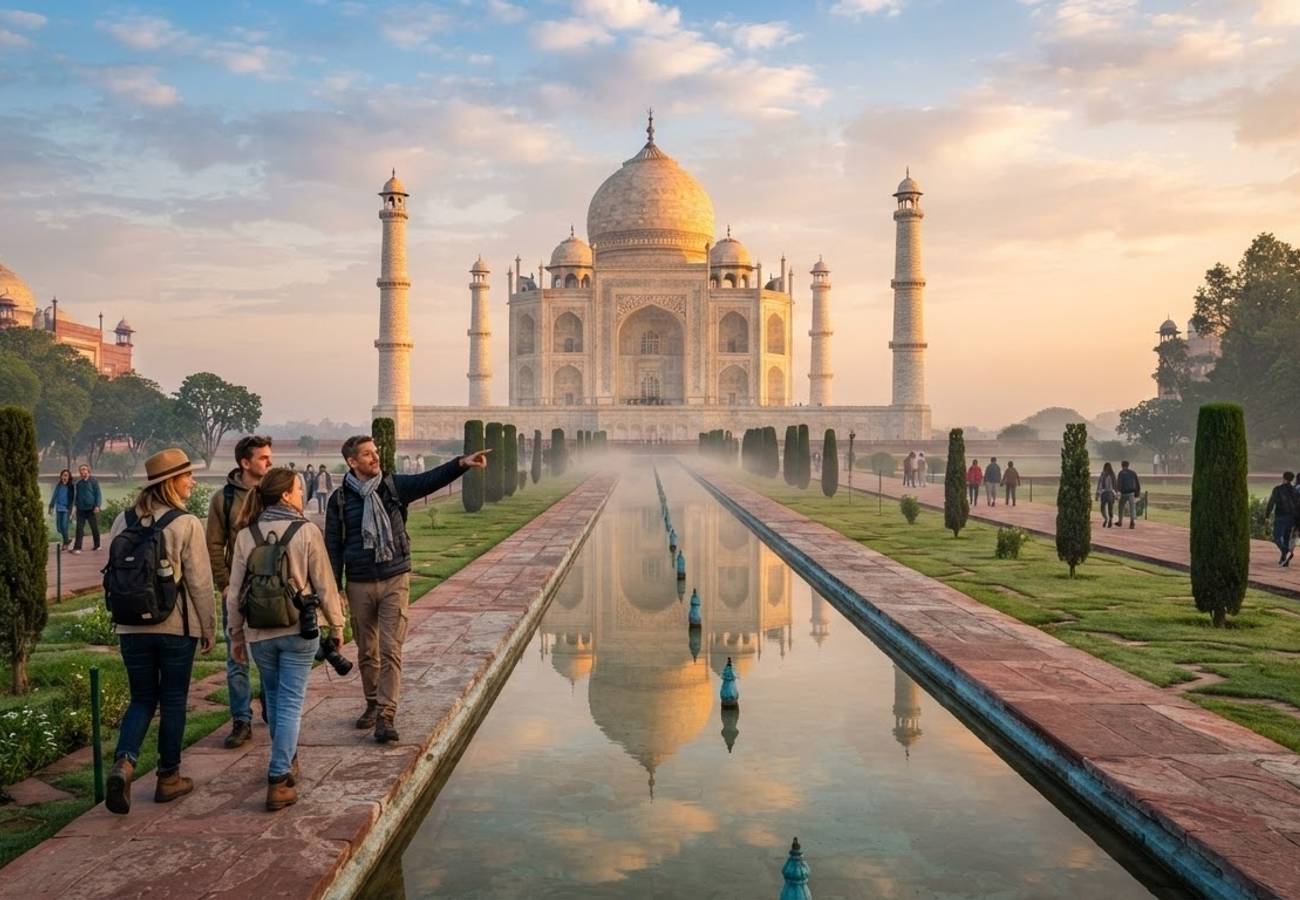
Image generated by AI
European travelers are pivoting away from traditional Asian hubs, with India recording a 14% increase in accommodation searches for the 2026 summer season. This surge places India as the fastest-growing destination in Asia, ahead of South Korea and Vietnam.
The Shift in Asian Tourism Demand
Recent data from Agoda indicates a significant realignment in how European tourists approach the Asian continent. While established markets like Thailand, Indonesia, and Japan maintain high overall volumes, India has captured the highest growth rate among the top 20 Asian destinations evaluated.
The trend suggests a move toward "slow travel"—longer itineraries focused on wellness, authentic cultural immersion, and heritage exploration rather than short-term leisure trips. This diversification of interest is allowing India to outpace regional competitors by offering a multifaceted value proposition that combines urban exploration, ancient history, and coastal relaxation.
Regional Growth Comparison: European Search Volume
| Ranking | Asian Destination | Search Growth (YoY) |
|---|---|---|
| 1 | India | +14% |
| 2 | South Korea | +13% |
| 3 | Vietnam | +12% |
Analysis of European Source Markets
While the United Kingdom remains the primary driver of Indian tourism due to deep-rooted historical ties and extensive flight connectivity, the 2026 data reveals a dramatic spike in interest from Central and Eastern Europe.
The traditional "Big Five" markets—UK, Germany, Netherlands, France, and Italy—continue to provide the bulk of visitor numbers. However, the most aggressive growth is occurring in emerging markets where long-haul travel to South Asia was previously less common.
Emerging Market Explosions
| European Country | Growth in India Searches |
|---|---|
| Slovakia | +148% |
| Croatia | +128% |
| Ireland | +88% |
This expansion is attributed to improved digital accessibility and a growing appetite among Eastern European travelers for non-traditional, high-impact cultural experiences.
Primary Transit Hubs and Regional Draws
European itineraries for 2026 are centering around three primary pillars: the political and historical gateway of New Delhi, the commercial and cosmopolitan energy of Mumbai, and the leisure-centric coastlines of Goa.
New Delhi serves as the primary international entry point. Its role is largely functional, acting as the launchpad for the "Golden Triangle" and other Northern India circuits. The city's infrastructure continues to evolve to meet the demands of international-standard hospitality and guided heritage tours.
Mumbai is seeing a rise in "bleisure" travel—where business travelers extend their stays to explore the city's culinary scene and colonial architecture. The city appeals to a demographic seeking a blend of modern urbanity and local tradition.
Goa remains the premier leisure destination, though its appeal has shifted. No longer just a beach destination, Goa is now marketed as a hub for Indo-Portuguese heritage and holistic wellness retreats, encouraging longer average lengths of stay.
Traveler Logistics Guide: Navigating India in 2026
From a ground-level perspective, the best way to navigate the current surge in tourism is to prioritize digital integration and strategic transit planning.
1. Digital Entry and Transit Travelers should utilize the latest e-Visa portals to avoid processing delays. For those transitioning through major hubs like New Delhi, leveraging airport-to-city express rail links is highly recommended over standard taxis to avoid peak-hour congestion.
2. Optimal Connection Strategies When booking multi-city itineraries (e.g., Delhi $\rightarrow$ Agra $\rightarrow$ Jaipur $\rightarrow$ Mumbai), use domestic carriers with flexible rescheduling options. For those traveling from emerging markets like Slovakia or Croatia, layovers in hubs like Dubai (DXB) or Doha (DOH) offer the most consistent connectivity.
3. Wellness and Heritage Booking Due to the 14% increase in demand, wellness retreats in Kerala and heritage hotels in Rajasthan are seeing higher occupancy rates. Booking these specific "experience" stays at least 4-6 months in advance is now essential for the summer window.
Infrastructure Impact Assessment
The shift in European demand is forcing a rapid upgrade in India's tourism infrastructure. The increase in visitors from non-traditional markets (Slovakia, Croatia) is prompting travel agencies to develop specialized packages that move beyond the standard tourist trail.
Furthermore, the growth in "wellness tourism" is driving investment in sustainable and eco-friendly luxury resorts, shifting the focus from mass tourism to high-value, low-impact travel. This transition is likely to stabilize regional tourism economies by reducing seasonality and increasing the average spend per visitor.
India is no longer just a secondary option for the adventurous; it has become a primary pillar of the 2026 European travel calendar.
Related Travel Guides
Disclaimer
This article is for informational and educational purposes only. It does not constitute legal, financial, or professional advice. While we strive to provide accurate and up-to-date information, travel policies, regulations, and conditions change rapidly. Always verify information with official sources before making travel decisions. Nomad Lawyer makes no representations about the accuracy, reliability, completeness, or suitability of the information provided. Readers should consult qualified professionals for advice specific to their circumstances. The views expressed in this article are those of the author and do not necessarily reflect the views of Nomad Lawyer.
Preeti Gunjan
Contributor & Community Manager
A passionate traveller and community builder. Preeti helps grow the Nomad Lawyer community, fostering engagement and bringing the reader experience to life.
Learn more about our team →