
Travel Germany Joins Thailand's New Visitor Fee Strategy
Thailand implements 300 Baht entry fee as Germany, Brazil, Italy, Spain, Canada adopt similar models in 2026. Sustainable tourism shift reshapes global visitor management.

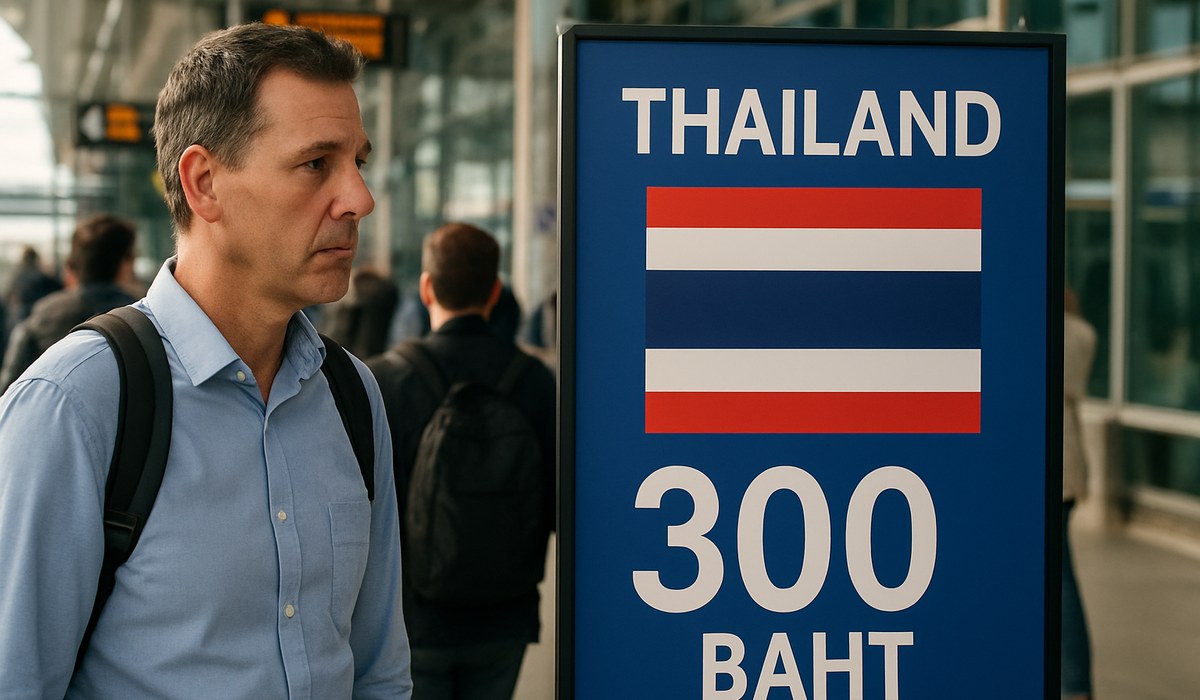
Image generated by AI
Quick Summary
- Thailand's 300 Baht (approximately $8.50 USD) tourism entry fee launches as a conservation and overtourism management tool
- Germany, Brazil, Italy, Spain, and Canada have implemented or are fast-tracking comparable visitor fees this year
- The strategy aims to balance destination capacity with enhanced visitor services and environmental preservation
- Digital nomads, leisure travelers, and accommodation operators face new cost structures requiring budget adjustments
Thailand's 300 Baht Fee: A Global Trend in Sustainable Tourism
Thailand is rolling out a modest 300 Baht entry fee for international visitors, marking a pivotal shift in how the Southeast Asian tourism powerhouse manages visitor volume and environmental strain. The initiative reflects mounting pressure on iconic destinations to regulate overtourism while funding conservation projects and infrastructure improvements. This move positions Thailand alongside an expanding coalition of major vacation destinations—stretching from Western Europe to North America—that have embraced small financial entry barriers as pragmatic solutions to competing pressures.
The Bangkok government frames the fee not as a revenue grab but as a mechanism for sustainable destination management. Officials emphasize that collected funds will directly support environmental restoration, wastewater treatment systems, and community-level tourism infrastructure. For context, travelers arriving in Phuket or Bangkok will add this fee to their landing procedures, similar to airport taxes already familiar to frequent visitors.
Germany, traditionally a tourism authority itself, has become one of the first major destinations to mirror Thailand's approach. Berlin and Munich have introduced comparable visitor management fees, signaling that even wealthy European cities face capacity constraints. The German hospitality sector views the fee as necessary balancing—protecting popular sites while maintaining their appeal.
How International Destinations Use Entry Fees for Visitor Management
Global tourism operators and destination management organizations increasingly recognize that controlled visitor flow improves experience quality and protects natural resources. According to hotel industry performance benchmarking data, destinations implementing modest entry fees typically report improved satisfaction ratings among paying visitors, who perceive greater access to uncrowded attractions and better-maintained facilities.
Brazil, struggling with Amazon conservation demands, has introduced tiered visitor fees at national parks and protected regions. The country's model directly funds ranger patrols, habitat restoration, and community education programs. This precedent influenced Thailand's framework, which borrowed Brazil's earmarking approach—ensuring visitors understand where their money flows.
Italy and Spain, both facing chronic overtourism in heritage cities, adopted similar measures starting in 2025. Venice's expanded entry fee and Barcelona's visitor quotas preceded Thailand's announcement by months. Canada's national parks extended their fee collection into user experience enhancements, creating a template that resonates across the hospitality sector.
The World Health Organization travel health guidelines increasingly recommend that destinations implement sustainable practices protecting both visitor health and population wellness. Fee-based visitor management aligns with these protocols by reducing congestion-related disease transmission risks and improving sanitation infrastructure in high-traffic zones.
Impact on Hotel Industry and Visitor Experience Standards
Thailand's accommodation sector stands positioned to benefit from the fee structure. When visitor management improves, hotels report higher occupancy rates during traditionally soft periods, as travelers spread their visits across seasons rather than clustering during peak months. Property operators in Chiang Mai and Pattaya anticipate steadier revenue streams once overtourism pressures ease.
Boutique hotels and independent five-star hotel ratings establishments particularly embrace the shift. These properties thrive on personalized service delivery—something increasingly difficult to maintain when properties overflow with guests. The fee creates space for premium experience delivery that justifies higher nightly rates and enhances guest satisfaction metrics.
Thailand's linkage to improved aviation connectivity strengthens the accommodation impact. Premia Expands Americas: Air Premia Partners Thai Airways for Seamless Global Connectivity, announced simultaneously with the fee initiative, suggests that Bangkok intends to shift toward higher-yield, longer-haul visitor profiles. This dovetails with sustainability goals—fewer but more economically valuable visitors reduce environmental burden per tourism dollar earned.
Hotel operators across Thailand report upgrades planned for 2026–2027, including water conservation systems and renewable energy installations. These capital improvements, funded partially by fee revenues, create contemporary amenities that justify rate increases and attract discerning travelers seeking responsible accommodation choices.
Spain and Italy have demonstrated this dynamic concretely. Madrid's entry fee coincided with significant property renovations and service enhancements, allowing luxury hotels to achieve rate premiums of 12–18% while maintaining competitive occupancy levels. Thailand's hospitality leadership watches these metrics closely as implementation timelines near.
What Digital Nomads and Leisure Travelers Need to Know
The 300 Baht fee applies to most international arrivals, though governments continue clarifying exemptions for residents, regional laborers, and specific visa categories. Digital nomads holding long-term visas should verify their exemption status before arrival, as fee structures may evolve through 2026.
Leisure travelers budgeting for Thailand trips should factor the fee into pre-arrival cost calculations. For a one-week visit, the impact remains marginal—equivalent to a modest lunch upgrade at Bangkok's mid-tier restaurants. However, families with multiple travelers or multi-month relocations benefit from understanding exemption pathways.
The timing intersects with broader cost-of-living discussions facing international visitors. Italy Cost Living 2026: Family Budget Guide for Expat Relocation documents how entry fees across European destinations compound annually for extended stays. Thailand's modeling likely influences similar transparency efforts elsewhere in Southeast Asia.
Nomadic professionals often relocate multiple times yearly. Taking Breaks Help Digital Nomads Absorb Information Better in 2026 highlights how sustainable tourism practices—including fee structures—support healthier travel rhythms. When destinations limit visitor surges, digital nomads enjoy more productive work environments and less congested co-working facilities.
Accommodation booking platforms have begun highlighting fee transparency in search results. Major operators now clearly label entry fee requirements at checkout, preventing surprise costs. This transparency shift benefits both travelers and properties by reducing post-arrival disputes and refund requests.
Frequent flyers holding elite status with Thai-based airlines may negotiate fee waivers through loyalty partnerships. Qatar Airways and Singapore Airlines, both major Bangkok hubs, explore reciprocal fee agreements with Thai tourism authorities. Travelers should contact their preferred carrier about entry fee inclusions in premium cabin products.
FAQ
Q: Does the 300 Baht fee apply to connecting passengers? A: No. The fee applies only to visitors exiting Thailand's international immigration areas. Transit passengers proceeding directly to connecting flights are exempt.
Q: Can digital nomads with ED visas (education) or Elite visas avoid the fee? A: Exempt categories remain under review by Thai authorities. Long-term visa holders should contact their relevant embassy 30 days before arrival for current exemption confirmation.
Q: How does Thailand's fee compare to Germany's new entry charges? A: Germany's regional fees range from €5–€15 ($5.50–$16.50 USD) depending on city and accommodation type. Thailand's 300 Baht ($8.50 USD) falls midrange comparatively.
Q: Will the fee change hotel booking prices?
Disclaimer
This article is for informational and educational purposes only. It does not constitute legal, financial, or professional advice. While we strive to provide accurate and up-to-date information, travel policies, regulations, and conditions change rapidly. Always verify information with official sources before making travel decisions. Nomad Lawyer makes no representations about the accuracy, reliability, completeness, or suitability of the information provided. Readers should consult qualified professionals for advice specific to their circumstances. The views expressed in this article are those of the author and do not necessarily reflect the views of Nomad Lawyer.
Preeti Gunjan
Contributor & Community Manager
A passionate traveller and community builder. Preeti helps grow the Nomad Lawyer community, fostering engagement and bringing the reader experience to life.
Learn more about our team →