
Visa Rule Embassy: Uganda Applicants Face Public Benefits Warning
The U.S. Embassy in Kampala issues critical guidance on visa rule embassy requirements in 2026. Applicants relying on public assistance face rejection. Understand self-sufficiency standards for Uganda travelers now.

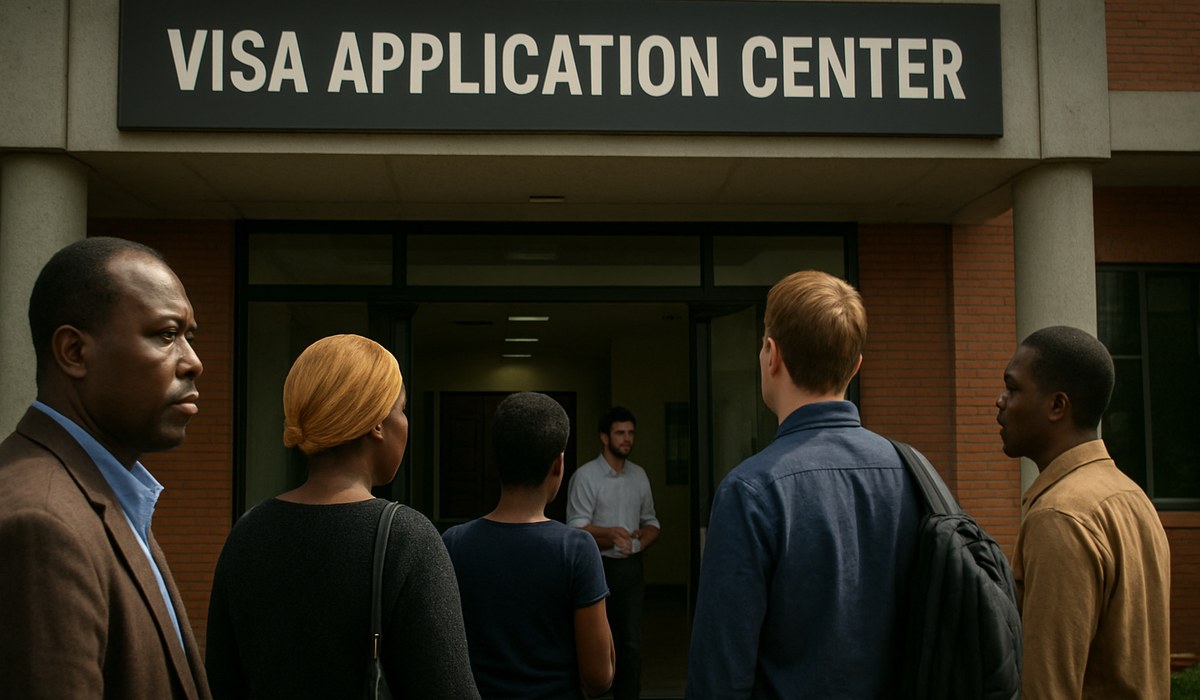
Image generated by AI
Breaking News: U.S. Embassy Kampala Tightens Self-Sufficiency Standards
The U.S. Embassy in Kampala has issued an urgent advisory regarding visa rule embassy documentation standards for 2026. Applicants seeking to travel to the United States must demonstrate financial self-sufficiency and cannot rely on public benefits. This critical warning affects thousands of Ugandan travelers planning to apply for immigrant and nonimmigrant visas this year. The embassy clarified that dependency on government assistance programs creates a substantial barrier to visa approval, regardless of other qualifications or ties to Uganda.
Who Qualifies?
Visa rule embassy requirements apply to all visa categories processed through the U.S. Embassy in Kampala. Ugandan nationals applying for immigrant visas, fiancé visas, family-sponsored petitions, and certain employment-based visas must prove financial independence. The self-sufficiency standard encompasses your ability to support yourself without relying on Supplemental Security Income (SSI), Temporary Assistance for Needy Families (TANF), food stamps, or housing subsidies. If you currently receive any public benefits or have received them within the past 36 months, you must document how you've transitioned to independent financial status. Applicants with a qualified sponsor who meets income thresholds may still qualify, but personal reliance on public programs creates presumptive ineligibility under the public charge rule.
According to the IATA Travel Centre, visa documentation standards vary by destination, and the United States maintains some of the strictest financial verification requirements globally.
Critical Financial Documentation Requirements
The visa rule embassy guidance requires applicants to submit comprehensive financial evidence at Kampala's consular section. You must provide the past two years of income tax returns, employment letters from employers, and bank statements demonstrating consistent savings. Self-employed applicants in Uganda must submit business registration documents, profit-and-loss statements, and client contracts proving legitimate income streams. The embassy specifically scrutinizes employment gaps and irregular income patterns that might suggest dependence on government assistance. Property ownership documents, investment account statements, and retirement savings can strengthen your application. Digital payment records from mobile money services widely used in Uganda—such as M-Pesa and bank transfers—serve as acceptable proof of financial activity and legitimacy.
Step-by-Step Application Process for Uganda Residents
First, gather all required financial documentation before scheduling your visa rule embassy interview at the Kampala facility. Schedule your appointment through the official U.S. State Department visa portal, where you'll complete the DS-160 form and pay the application fee. Second, prepare a detailed written statement explaining your financial situation, employment history, and how you support yourself. Include any information about family support that demonstrates legitimate income sources rather than public reliance.
Third, bring original documents and certified copies to your consular interview. The consular officer will question you extensively about your finances, employment stability in Uganda, and future plans. Be prepared to discuss your savings rate, monthly expenses, and how you accumulated your assets. Fourth, if the officer requests additional documentation, submit it within the specified timeframe—typically 10 business days. Fifth, the visa rule embassy team will issue a decision after reviewing all materials. Processing typically takes 2-4 weeks after your interview, though complex cases may require additional time for administrative review.
Understanding Public Charge Rule Implications
The public charge rule represents the most significant barrier to visa approval for Ugandan applicants today. Immigration officers assess whether you're likely to become dependent on government benefits after arriving in the United States. This evaluation considers your age, health status, education level, skills, and demonstrated financial resources. Applicants under 18 or over 62 face stricter scrutiny, as officers assume higher likelihood of benefit dependency. Criminal history, serious medical conditions requiring expensive treatment, and previous immigration violations all trigger enhanced public charge concerns.
Travel insurance and documented medical screening from a USCIS-approved civil surgeon can demonstrate preparedness and reduce perceived public charge risk. Applicants should research their specific visa category's public charge implications before attending their interview at the Kampala embassy.
Common Mistakes That Lead to Visa Rule Embassy Rejection
Applicants frequently fail to disclose previous public benefits, assuming officers won't discover past reliance on government programs. This deception, when discovered, results in immediate denial and potential fraudulent intent charges. Never falsify bank statements or employment letters—embassy officials verify these documents directly with Ugandan financial institutions and employers. Failing to account for all income sources creates suspicion about undisclosed benefit dependency or criminal activity. Withdrawing large sums of cash immediately before your interview to artificially inflate your account balance raises significant red flags about financial legitimacy.
Neglecting to prepare a sponsor's documentation when using the affidavit of support method undermines your entire application. The visa rule embassy requires sponsors to meet 125% of federal poverty guidelines, and incomplete sponsor paperwork causes automatic case rejection.
Fee Structure and Processing Timeline
The immigrant visa application fee at the U.S. Embassy in Kampala currently stands at $325 USD, payable in Uganda shilling equivalent at the time of payment. The nonimmigrant visa fee varies by category—tourist visas cost $160, while employment-based visas range from $190 to $350. Processing fees are nonrefundable regardless of visa approval outcome. Expedited visa rule embassy processing is unavailable for immigrant cases, though nonimmigrant visas occasionally qualify for rush processing during peak travel seasons. Standard processing from interview to decision requires 2-4 weeks. Administrative processing, triggered by complex financial cases or security concerns, can extend decisions to 60-90 days. Check the official U.S. State Department Kampala page for current fee amounts and processing estimates updated in 2026.
Key Data: Visa Rule Embassy Standards for 2026
| Requirement Category | Specific Standard | Document Needed |
|---|---|---|
| Minimum Annual Income | 125% U.S. Federal Poverty Line (~$17,000 USD) | Tax returns + employment letter |
| Bank Statement History | 24 months minimum activity | Original statements from Ugandan bank |
| Employment Documentation | Current, verified position details | Company letterhead, employment contract |
| Public Benefits Disclosure | Full 36-month history required | Government agency records or statutory declaration |
| Sponsor Income Threshold | 125% poverty line for affidavit support | IRS Form 1040 for last 3 years |
| Medical Examination | USCIS-approved civil surgeon only | Form I-693 completed in Uganda |
| Police Clearance | Uganda Police Records Bureau certificate | Original document with official seal |
What This Means for Travelers Planning Uganda Departures
Ugandan travelers must immediately audit their financial records and benefit history before scheduling any visa rule embassy appointment. If you've received public assistance, document your transition to self-sufficiency with employment letters, pay stubs, and new bank account statements covering at least six months of independent finances. Gather all required documents now—processing delays occur when applicants must request records from multiple agencies. Consider hiring a visa consultant familiar with Kampala's specific consular procedures; the U.S. Embassy in Uganda prohibits attorney representation in visa interviews, but consultants can strengthen your application package.
Build your financial case meticulously. Demonstrate consistent income, reasonable expenses, and accumulated savings. If you have family members in Uganda contributing to your support, formalize these arrangements with written agreements and bank transfer documentation. Schedule your visa interview only when your financial documentation is complete and compelling. Incomplete applications face immediate rejection at the Kampala facility, wasting your application fees and delaying your travel plans by months.
Frequently Asked Questions
What exactly constitutes a public charge under current visa rule embassy standards? A public charge is someone likely to become primarily dependent on government benefits. This includes SSI, TANF, food assistance, emergency Medicaid, and housing subsidies. The visa rule embassy officer assesses whether you'll need government support within five years of U.S. arrival. If you've received any of these benefits in the past 36 months, you must prove complete financial independence now through sustained employment and savings.
Can family members in the U.S. sponsor my visa if I have a public benefits history? Yes, a qualified U.S. relative can sponsor you using an affidavit of support. However, your past benefit dependency doesn't disappear—the sponsor must demonstrate extraordinary financial strength to overcome this concern. The sponsor must meet 125% of federal poverty guidelines and sign a legally binding commitment. Your own financial documentation becomes even more critical when you have a benefits history, as the consular officer wants to confirm your new independence.
How long must I wait after stopping public benefits before applying for a visa rule embassy appointment? Immigration guidance suggests waiting at least 12 months of complete independence, though longer waits strengthen your case. Thirty-six months of clean benefit records nearly eliminates public charge concerns. If you stopped benefits only recently, build substantial documented savings and employment history first. Contact the U.S. Embassy in Kampala to discuss your specific timeline before scheduling your interview.
Will the visa rule embassy officer automatically deny my application if I previously received public benefits? Previous public benefits don't guarantee denial, but they create significant presumptive ineligibility. You must present clear, convincing evidence of sustained financial independence to overcome this presumption. Strong documentation—multiple years of tax returns, substantial savings, stable employment, and family support—can result in approval despite benefit history. However, dishonesty about past benefits usage guarantees immediate denial and potential fraud charges against you.
Related Travel Guides
Understanding U.S. Visa Financial Requirements for African Applicants
Complete Affidavit of Support Guide for Family-Sponsored Visas
Uganda Travel Documents Checklist: Passports, Visas, and Medical Requirements
Disclaimer
This article is for informational and educational purposes only. It does not constitute legal, financial, or professional advice. While we strive to provide accurate and up-to-date information, travel policies, regulations, and conditions change rapidly. Always verify information with official sources before making travel decisions. Nomad Lawyer makes no representations about the accuracy, reliability, completeness, or suitability of the information provided. Readers should consult qualified professionals for advice specific to their circumstances. The views expressed in this article are those of the author and do not necessarily reflect the views of Nomad Lawyer.
Kunal K Choudhary
Co-Founder & Contributor
A passionate traveller and tech enthusiast. Kunal contributes to the vision and growth of Nomad Lawyer, bringing fresh perspectives and driving the community forward.
Learn more about our team →