
TransNusa Launches Melbourne Bali Flights in October 2026: Insider Guide to Indonesia's Cultural Crossroads
TransNusa enters the competitive Melbourne-Bali corridor on 19 October 2026 with four weekly Airbus A320 flights, free 20kg checked baggage, and access to Indonesia's outer islands.

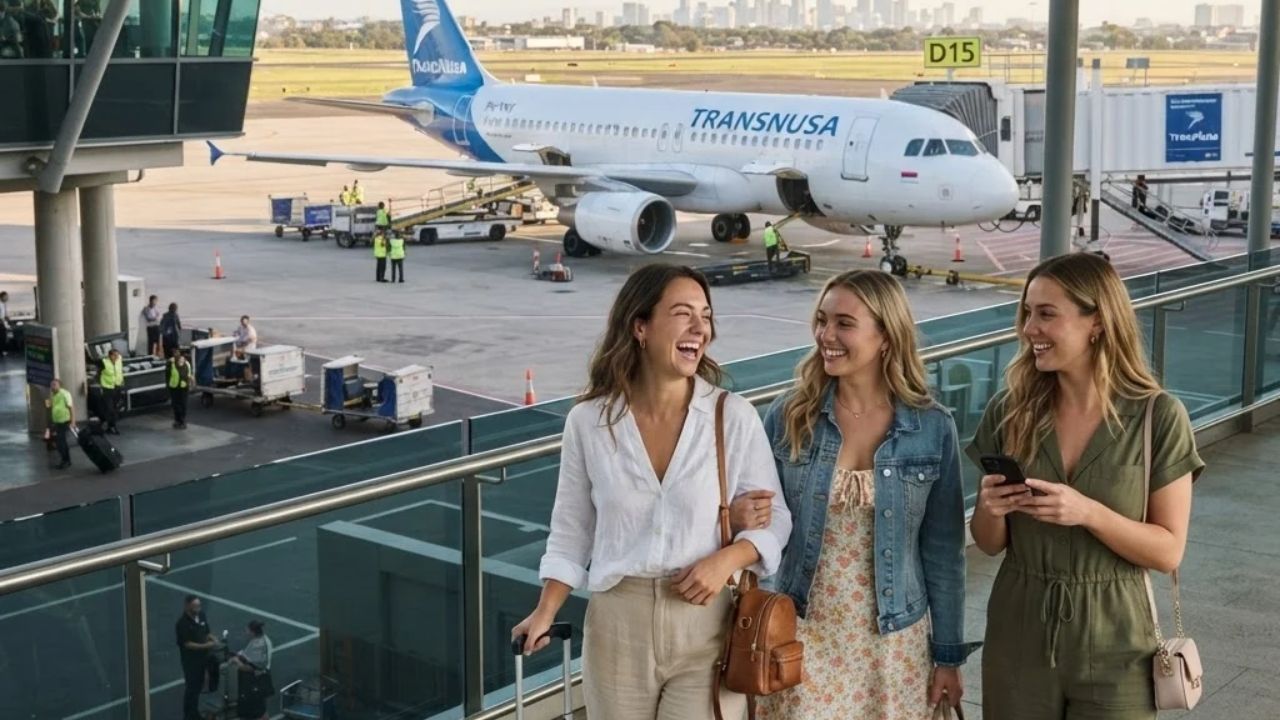
Image generated by AI
While the route between Melbourne and Denpasar ranks among the most fiercely contested international air corridors in the Southern Hemisphere with five established carriers already ferrying millions across the Timor Sea each year, fewer than one in twelve Australian holidaymakers ever venture beyond the southern resort strip to discover Bali's sacred volcanic heart and tranquil outer marine sanctuaries. On 19 October 2026, Indonesian carrier TransNusa joins this high-demand market as the sixth airline operating non-stop flights between Melbourne Airport (MEL) and Ngurah Rai International Airport (DPS). Flying four times per week aboard Airbus A320 aircraft, the service marks TransNusa's second Australian gateway after its earlier launch from Perth. By including twenty kilograms of complimentary checked baggage on all ticket tiers—a welcome break from the nickel-and-dime policies of regional budget competitors—the airline provides Victorian travelers with fresh affordability just as the Southern Hemisphere summer getaway season begins.
TransNusa Enters Melbourne: The Battle for the Denpasar Sky Corridor
The arrival of TransNusa introduces fresh competitive dynamics to a market historically dominated by legacy operators and low-cost pioneers. Starting 19 October 2026, the four-times-weekly Airbus A320 schedule places TransNusa in direct head-to-head competition with Batik Air, Garuda Indonesia, Jetstar, Qantas, and Virgin Australia. By unbundling in-flight meals and discretionary extras while preserving an automatic 20-kilogram checked luggage allowance, the carrier targets budget-conscious holidaymakers who want to bring surfboards, diving gear, or shopping without incurring punitive baggage surcharges at the check-in gate.
This cross-border expansion arrives alongside extensive terminal upgrades underway at Melbourne Airport. Victoria's primary international hub is actively expanding its international departure gates, widening baggage sortation centers, and modernizing passenger processing areas to support a major post-pandemic surge in Southeast Asian travel. For Victorians, having six distinct airlines flying the route ensures downward pricing pressure, greater schedule redundancy, and expanded seat inventory during peak school holiday periods.
Beyond serving as a point-to-point shuttle for sun-seekers heading to Kuta or Seminyak, TransNusa is positioning its Denpasar hub as an onward springboard into the wider Indonesian archipelago. The airline's domestic network connects international voyagers through Bali to premier marine tourism territories, including the pristine coral atolls of Wakatobi and the deep volcanic drop-offs of Manado in North Sulawesi. For travelers who have already experienced Bali multiple times, this network expansion transforms Denpasar from a final destination into a gateway for authentic archipelagic exploration.
What Makes Bali and the Victorian Gateway Different
The enduring travel link between Melbourne and Bali connects two completely different worlds. In Melbourne, journeys begin under variable southern skies, surrounded by the artisan espresso bars of Carlton and Fitzroy, before heading out along the Tullamarine Freeway. Six hours later, the aircraft banks over the breaking Indian Ocean swells of Tuban Beach, touching down on a runway that juts dramatically into the tropical sea.
Beyond the immediate airport perimeter lies a destination of profound cultural depth that generic resort brochures routinely overlook. Away from crowded beach clubs, the real Bali unfolds in places like the Sidemen Valley in Karangasem, where emerald terraced rice fields trace volcanic river valleys beneath the sacred peak of Mount Agung. In the cool highlands of Tampaksiring, local families gather at Tirta Empul to participate in melukat, a centuries-old spiritual water purification ritual fed by crystal-clear underground springs.
Central to Balinese existence is the historic Subak cooperative irrigation system, inscribed by the UNESCO World Heritage Centre. For over a millennium, Balinese village farmers have democratically managed water distribution through water temples, putting into practice the philosophical doctrine of Tri Hita Karana—the harmonious relationship between the divine spirit, the human community, and the natural realm. Traveling to Bali through the cultural lenses supported by Wonderful Indonesia means understanding that the island is not a manufactured amusement park, but a living sanctuary of temple ceremonies, gamelan melodies, and deep spiritual heritage.
Visitor Insider Tips
Experiencing Bali with confidence and authenticity requires navigating transportation hurdles, respecting spiritual protocols, and seeking out regional flavors.
- Bypass Arrival Hall Transportation Scams: When exiting customs at Ngurah Rai International Airport, you will encounter intense lines of unofficial drivers calling out for fares. Ignore these touts and walk straight toward the official ride-hailing lounge located on the second level of the multi-story car park. Alternatively, pre-arrange an airport transfer directly through your locally owned homestay or hotel to ensure fixed rates and stress-free arrival transit.
- Leverage the 20-Kilogram Free Baggage Allowance: Take advantage of TransNusa's generous baggage allowance to bring home handcrafted local treasures. Visit traditional artisan woodcarving villages in Mas, stone-sculpting family compounds in Batubulan, or silver-smithing cooperatives in Celuk, supporting village craftsmen directly rather than purchasing mass-produced plastic souvenirs.
- Bypass Southern Gridlock by Heading East: Traffic along the Kuta-Seminyak-Canggu arterial corridor can bring vehicles to a complete standstill for hours. If you wish to escape congestion, take the eastern highway (Jalan Bypass Ida Bagus Mantra) toward Candidasa, Padangbai, or Amed, where black sand beaches, clear diving waters, and traditional fishing jukung outriggers await without the crowds.
- Master Sacred Temple Etiquette and Offerings: When visiting holy complexes such as Pura Lempuyang or Uluwatu, both men and women must wear a traditional sarong and waist sash (selendang). Modest dress covering shoulders is required. On sidewalks and shop doorways, step carefully around canang sari—the fragrant daily woven palm-leaf baskets containing flowers, betel nut, and burning incense. Never step over or kick these sacred offerings, as doing so offends local spiritual customs.
- Feast on Authentic Warung Delicacies: Step away from Western-style burger cafes and pull up a wooden bench at a local family warung. Savor authentic babi guling—tender spit-roasted pork seasoned with turmeric, lemongrass, shallots, and coriander seeds, served with crispy crackling and spicy chili sambal. For poultry lovers, seek out ayam betutu, chicken slow-roasted for hours inside banana leaves with aromatic spices until the meat falls off the bone.
Cultural and Environmental Context
The influx of millions of international visitors brings both vital economic livelihoods and urgent environmental challenges to Bali's delicate ecosystem. To protect its fragile natural heritage, the provincial government enforced an international tourist levy of 150,000 Indonesian Rupiah (approximately $10 USD), with revenues allocated directly toward municipal waste management programs, cultural preservation funds, and public infrastructure improvements.
The island faces growing environmental strain, particularly regarding its groundwater reserves and agricultural land. Excessive water consumption by luxury resort complexes and swimming pools has lowered water tables across southern Bali, creating salt-water intrusion into coastal wells and threatening the ancestral Subak irrigation channels that feed highland rice paddies. In response, local environmental organizations and eco-tourism operators are spearheading community-led reforestation, beach cleaning initiatives, and the installation of communal water purification refill stations to eliminate single-use plastic bottles.
Sustainable tourism here requires conscious traveler choices. By staying in community-owned boutique guesthouses, choosing dive operators that actively protect coral reefs in Amed and Menjangan Island, dressing respectfully during village ceremonies, and dining at local establishments, travelers help preserve the delicate equilibrium between economic progress and spiritual heritage that defines Balinese civilization.
FAQ: Flying Melbourne to Bali 2026
When do TransNusa flights between Melbourne and Bali begin operating?
TransNusa will launch four weekly non-stop flights connecting Melbourne Airport (MEL) and Denpasar Bali (DPS) starting 19 October 2026, using modern Airbus A320 aircraft.
What baggage allowance is included with TransNusa airfares?
Every standard TransNusa passenger ticket includes twenty kilograms of complimentary checked baggage, allowing travelers to bring sporting equipment and luggage without paying extra fees.
Which airlines operate direct flights on the Melbourne-Bali route?
TransNusa joins five other carriers on the route: Batik Air, Garuda Indonesia, Jetstar, Qantas, and Virgin Australia, providing extensive schedule options for Australian travelers.
What entry documents do Australian citizens need to enter Bali?
Australians must hold a passport with at least six months validity, purchase an Indonesian Visa on Arrival (VoA), complete an electronic customs declaration, and pay the provincial tourism levy.
[Beneath the emerald canopy of the central highlands or drifting above volcanic reefs, Bali reveals its deepest soul to those who leave behind familiar comfort to listen to the whisper of the island.]
Related Travel Guides
Disclaimer
This article is for informational and educational purposes only. It does not constitute legal, financial, or professional advice. While we strive to provide accurate and up-to-date information, travel policies, regulations, and conditions change rapidly. Always verify information with official sources before making travel decisions. Nomad Lawyer makes no representations about the accuracy, reliability, completeness, or suitability of the information provided. Readers should consult qualified professionals for advice specific to their circumstances. The views expressed in this article are those of the author and do not necessarily reflect the views of Nomad Lawyer.
Raushan Kumar
Founder & Lead Developer
Full-stack developer with 11+ years of experience and a passionate traveller. Raushan built Nomad Lawyer from the ground up with a vision to create the best travel and law experience on the web.
Learn more about our team →