The True Cost of Wild Patagonia: Torres del Paine W Trek Earns First Carbon Certification

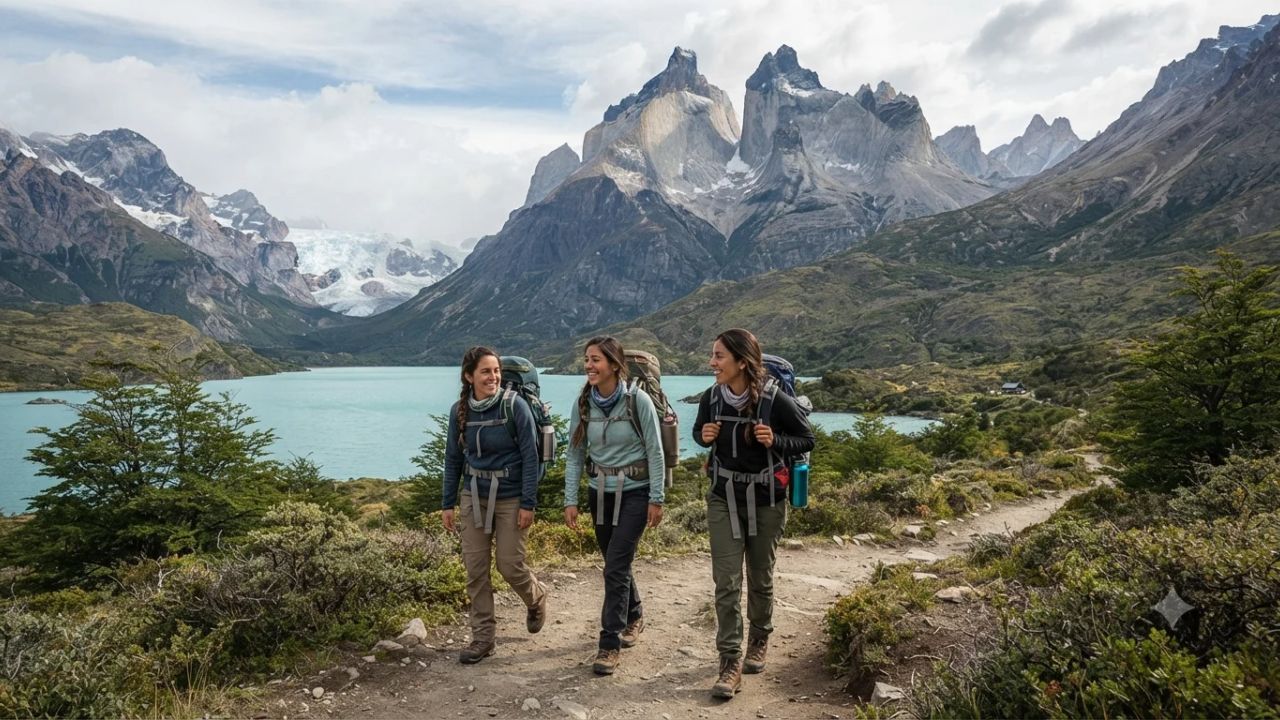
While trekkers often assume that choosing a tent over a mountain lodge is their most impactful environmental decision in Patagonia, rigorous new climate data reveals that international flights account for an overwhelming 67 per cent (987 kg CO2e) of the total carbon footprint for a Torres del Paine trek. In a historic first for Chilean adventure tourism, operator Chile Nativo has earned official HuellaChile Carbon Footprint Certification from Chile’s Ministry of the Environment, establishing an audited emissions baseline for its iconic five-day, 70-kilometre W Trek across granite spires, ancient glaciers, and sub-Antarctic beech forests.
The milestone—verified by Proyectae in partnership with sustainability consultancy CYCLO and officially granted on October 9, 2025 following detailed measurements launched in September 2024—replaces vague "eco-friendly" marketing slogans with verified climate accounting. By analyzing every segment of a traveler's journey, the assessment proves that while on-trail accommodation generates just 60 to 80 kg CO2e, reaching the southern tip of South America represents the primary sustainability challenge for long-haul wilderness expeditions.
Inside the Carbon Audit: Refugio vs. Camping Emissions Breakdown
The HuellaChile assessment evaluated total greenhouse gas emissions generated across transport, food preparation, heating, accommodation, and luggage transfers for individual trekkers.
The audit established that choosing a mountain refuge (refugio) generates an estimated 1,468 kg CO2e per passenger, while choosing camping generates 1,452 kg CO2e per passenger. The modest 16 kg difference reflects lower fuel requirements for heating tent platforms compared to timber lodges.
| Journey Segment & Activity | Carbon Footprint (kg CO2e) | Percentage of Total Impact | Strategic Climate Insight |
|---|---|---|---|
| International Aviation | 987 kg CO2e | ~67.2% of total footprint | Primary driver of travel emissions; mandates longer regional stays |
| Domestic Flights (Santiago to Punta Arenas/Natales) | 278 kg CO2e | ~18.9% of total footprint | Highlights need for efficient domestic connections and direct routing |
| Ground Transit & Luggage Transfers | ~123–139 kg CO2e | ~8.4% of total footprint | Electric van conversions and shared bus shuttles reduce emissions |
| Park Accommodation (Refugio vs. Camping) | 60–80 kg CO2e | ~4.1%–5.4% of total footprint | Solar thermal heating and micro-hydro power minimize lodge footprint |
| Total Footprint (Refugio Stay) | 1,468 kg CO2e | 100.0% | Comprehensive per-passenger benchmark |
| Total Footprint (Camping Option) | 1,452 kg CO2e | 98.9% of Refugio baseline | Minimal difference compared to flight emissions |
These figures demonstrate that genuine eco-conscious travel requires addressing long-haul air transport choices and extending overall length of stay rather than merely debating sleeping arrangements inside the park.
What Sets Torres del Paine Apart: The 70-Kilometre W Trek
Torres del Paine National Park stands as the crown jewel of southern Chile, designated as a UNESCO Biosphere Reserve and managed by CONAF (Corporación Nacional Forestal).
The 70-kilometre W Trek connects three iconic geological landmarks:
- Base of the Towers (Las Torres): A steep ascent through the Ascencio Valley leading to a turquoise glacial lagoon set beneath three monolithic granite towers rising over 2,500 meters into the sky.
- The French Valley (Valle del Francés): A deep natural amphitheater flanked by hanging glaciers on Mount Paine Grande, where trekkers listen to the thunderous roar of calving ice blocks echoing across sheer granite walls.
- Grey Glacier (Glaciar Grey): A massive wall of luminous blue ice cascading down from the Southern Patagonian Ice Field, viewed from suspension bridges hung high above forest gorges.
Official trekking regulations, mandatory guide requirements, and campsite reservation protocols can be reviewed through the Chile Travel Portal.
Visitor Insider Tips: Timing, Packing, and Trail Hacks
Completing the W Trek responsibly requires meticulous planning and adaptation to Patagonia’s notoriously volatile weather:
- Book CONAF-Registered Campsites Six Months Ahead: Independent trekking permits and campsite allocations via Las Torres and Vertice Patagonia sell out months in advance. You must hold confirmed accommodation vouchers before entering the park at Laguna Amarga.
- Pack for Fierce Patagonian Winds: Winds in the French Valley and across Lake Pehoé routinely exceed 100 km/h (60 mph). Invest in a three-layer Gore-Tex outer shell, thermal merino wool undergarments, and sturdy trekking poles with rubber tips to prevent trail erosion.
- Savor Patagonian Lamb and Calafate Cocktails in Puerto Natales: Before and after your trek, base yourself in the coastal gateway town of Puerto Natales. Dine at local bistros serving cordero al palo (slow-roasted spit-fired Patagonian lamb) and sip a classic Calafate Sour made with wild dark berries and Chilean pisco.
- Fly Direct to Puerto Natales (PNT) When Possible: Seasonal direct flights from Santiago to Teniente Julio Gallardo Airport in Puerto Natales eliminate the three-hour bus transfer from Punta Arenas, cutting ground transport emissions and transit fatigue.
- Carry Out All Non-Organic Waste: Torres del Paine enforces strict zero-waste regulations. Pack reusable silicone trash bags to carry out energy bar wrappers, personal hygiene items, and fruit peels back to designated recycling stations in Puerto Natales.
Cultural and Environmental Context: Reforestation and Legacy Funds
Torres del Paine’s delicate sub-Antarctic ecosystems are recovering from devastating accidental forest fires caused by past tourist negligence. In response, sustainable operators are channeling visitor revenues directly into active environmental restoration.
Chile Nativo contributes US$2 per traveler for every day spent in Torres del Paine to the Torres del Paine Legacy Fund. To date, these direct guest contributions have reached US$22,214, financing a native plant greenhouse that cultivates Lenga and Coigüe saplings for reforestation along fire-damaged trail corridors.
Furthermore, by establishing a certified carbon baseline under HuellaChile, the adventure travel sector gains an objective framework for future emissions compensation. Transparent data empowers travelers to invest in verified regional carbon offsets—such as protecting ancient peat bogs in Tierra del Fuego that sequester gigatons of atmospheric carbon—ensuring Patagonia's wild granite wilderness endures for centuries to come.
FAQ: Trekking Torres del Paine in 2026
What is the certified carbon footprint of the Torres del Paine W Trek?
The HuellaChile audit calculated an estimated carbon footprint of 1,468 kg CO2e per trekker using mountain refugios and 1,452 kg CO2e using camping accommodation.
Why do international flights make up such a large portion of the emissions?
Long-haul intercontinental aviation accounts for 987 kg CO2e (approximately 67% of total emissions) due to the immense distances required to reach southern Patagonia.
When is the best season to hike the W Trek?
The southern hemisphere summer from November to March offers long daylight hours (up to 17 hours of sun) and moderate trail temperatures between 45°F and 65°F (7°C to 18°C).
How long does the classic W Trek take to complete?
The classic W Trek covers approximately 70 kilometres and is typically completed over four to five days, moving between refugios and designated campsites.
[Where turquoise glacial waters reflect ancient granite spires, true adventure begins with measuring our footsteps so wild Patagonia remains untouched.]
Related Travel Guides
This article is for informational purposes. Flight routes, passenger regulations, visa rules, and transit advisories are subject to change by airlines and aviation authorities. Readers are advised to verify schedules and travel documentation with relevant carriers and border agencies before departure.
Related Stories

Ayodhya Deepotsav 2026 Logistics Guide: Attending the 30 Lakh Lamp Festival in India

WTM London 2026: AI Booking Shifts and Global Tourism Growth Forecasts for 1.57 Billion Arrivals