
Greece's 10 Most Stunning Natural Wonders: Hidden Beaches, Ancient Mountains & Dramatic Gorges You Must See in 2026
From pink-sand beaches to soaring monasteries perched on rock pillars, discover Greece's most breathtaking natural wonders and plan your unforgettable journey.

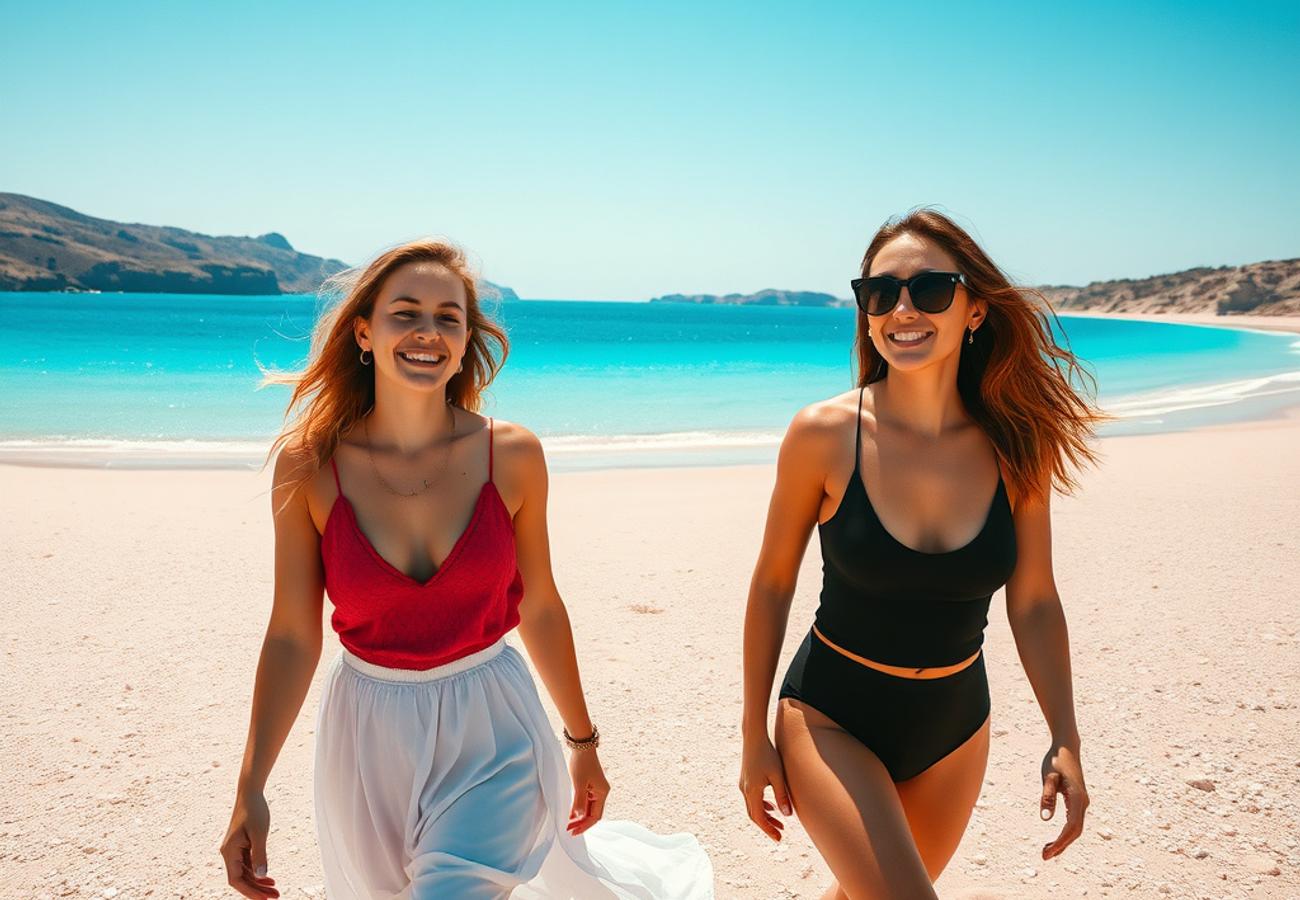
Image generated by AI
Greece isn't just a Mediterranean getaway—it's a landscape sculpted by mythology, geology, and time itself. I've spent weeks tracing the country's most dramatic natural features, and what strikes you immediately is the sheer variety. Within hours, you can pivot from turquoise lagoons to ancient volcanic formations to limestone caves that glow like cathedral stained glass.
The question isn't whether Greece has natural wonders. It's which ones will leave you speechless.
Elafonisi Beach: Where Pink Sand Meets Turquoise Waters
Elafonisi Beach in Crete reads like a travel fantasy until you wade into it. The infamous pink sand—formed from decomposed mollusk shells accumulated over millennia—creates an otherworldly contrast with the turquoise lagoon. This isn't beige. This is pink.
The shallow waters make it perfect for families, and the beach remains relatively undeveloped despite its fame. Expect to pay around $7 for parasol and chair rentals if you're planning a full day. Reddit: "I've been to 40+ beaches across the Mediterranean, and Elafonisi still ranks in my top five for sheer aesthetic impact." — r/travel
Combine your visit with nearby Balos Lagoon for a comprehensive half-day exploration. Day trips departing from Chania run between ₹2,975–₹3,780 and typically include pickups and guided exploration.
Giola: The Natural Pool That Feels Like Your Private Universe
Hidden in Astris on the island of Thasos, Giola Natural Pool sits like a secret within a secret. Rocky cliffs rise eight meters above a perfectly enclosed lagoon of crystalline water—imagine a swimming pool carved by nature rather than contractors.
The approach demands commitment. You'll drive to the beach at Astris, park, then hike roughly two kilometers on an unmanicured trail. The payoff: a swimming experience untethered from crowds and commercialism. Bring your own umbrella and sunscreen; this spot offers zero shade infrastructure.
Pro tip: Cruises departing from Limenaria Port often sail past Giola, offering photographers a spectacular vantage point without the trek.
Fragokefala: Volcanic Sculptures on Lemnos
The island of Lemnos punches above its tourist profile, especially around Fragokefala. These aren't ordinary rocks. They're geometric formations of solidified lava—spherical, stacked, almost alien in their precision. The northern district pulses with villages and beaches that feel authentically Greek rather than packaged for consumption.
The volcanic landscape tells a geological story spanning millennia. Summer visits align perfectly with beach exploration, though the formations remain photogenic year-round. Many regional cruises include Fragokefala viewing opportunities.
Mount Olympus: Where Mythology Meets 2,917 Meters
Mount Olympus isn't just Greece's tallest peak at 2,917 meters—it's where ancient gods supposedly held court. The mountain rises dramatically from the Aegean, creating a visual narrative that spans from sea level to cloud cover in mere kilometers.
The summit demands respect. A complete ascent requires two to three days, and experienced mountaineers absolutely require guides or detailed topographic maps. Partial routes allow drivers to ascend partway, dramatically reducing the physical demand for casual visitors.
Day trips from Thessaloniki cost ₹5,325–₹21,493 depending on activity type. Half-day canyoning expeditions ($9,181) provide intense engagement with Olympus's ecosystem without requiring mountaineering credentials.
Melissani Cave: Subterranean Beauty in Kefalonia
Melissani Cave Lake defies easy categorization. This isn't just a cave—it's a cathedral of geology. An open ceiling floods the chamber with natural light, illuminating waters so blue they seem artificially saturated. The cave sits in Kefalonia, a destination underrated by international travelers.
Small boat tours navigate the interior, revealing dramatic stalagmite formations and passages carved by water over geological epochs. Boat trips cost approximately $8 per person. Midday visits optimize natural light penetration, making noon-to-2 PM the ideal window.
Combine your cave exploration with the adjacent Drogarati Caves for a comprehensive underground experience. Regional tour operators bundle these attractions, typically costing ₹4,320–₹7,020 per person.
Samaria Gorge: Europe's Most Epic Hiking Trail
Samaria Gorge National Park sprawls across 75 square kilometers on Crete's southern coast. The gorge itself stretches 16 kilometers, wedged between the Lefka Ori (White Mountains) and Mount Volakias. This isn't a casual walk. This is serious trekking terrain.
The panoramic vistas justify the physical demand. The landscape transitions from alpine terrain to Mediterranean scrubland as you descend. Professional guides matter here—the 9–14 hour expeditions require navigation expertise and physical conditioning.
One critical limitation: swimming isn't permitted within the gorge, despite its dramatic water features. Day trips from Chania and Rethymno cost ₹3,131–₹3,802 with professional guides included. Multiple operators maintain consistent 4.6+ ratings across thousands of reviews.
Tourlitis Lighthouse: A Solitary Sentinel in Stone
Tourlitis Lighthouse occupies a spindly rock in the Aegean Sea near Andros. The structure isn't merely functional—it's sculptural. The twisted stone column supporting the lighthouse creates a visual narrative of defiance against weather and time.
Approaching from the nearby Venetian castle of Andros provides historical context and photographic opportunities. The lighthouse remains closed to public access, but exterior viewing spots deliver compelling vantage points. Regional cruises frequently include Tourlitis stops.
Luxury RIB cruises departing from Andros cost ₹12,961–₹21,602 for 4–5 hour expeditions. Private options accommodate smaller groups seeking personalized exploration.
Meteora: Ancient Monasteries on Vertical Rock Formations
Meteora challenges your conventional understanding of geography. Towering rock pillars—some reaching hundreds of meters—form a labyrinthine landscape in Thessaly. Medieval monks built monasteries atop these impossible formations, creating a religious sanctuary that functions as geological theater.
The site balances natural wonder with historical significance. The rock formations create an unpredictable landscape where pathways seem to defy physics. Summer visits benefit from comfortable temperatures; winter brings challenging conditions.
Day trips from Athens operate daily, costing ₹9,289 with caves and lunch included. The 14-hour excursions incorporate monastery visits, cave exploration, and traditional meal experiences. Book early—these tours regularly sell out.
Petrino Dasos: Limestone Forests at 1,500 Meters
Near Monodendri village, Petrino Dasos presents limestone structures stacked like geological playing cards. At 1,500 meters elevation, these karstic formations create a forest effect—rocks positioned so densely they obstruct sky views.
The landscape transitions from maple to oak ecosystems as you explore toward Oxia Viewpoint. Summer hiking avoids brutal winter conditions that render these elevations inhospitable. The Zagoria region offers comprehensive exploration opportunities, with guided hikes ranging from ₹8,101–₹41,043 depending on group size and departure point.
Planning Your Greek Natural Wonder Expedition
Greece's natural attractions cluster geographically, allowing efficient multi-destination itineraries. Crete dominates the southern experience (Elafonisi, Samaria, Melissani). Northern destinations (Meteora, Petrino Dasos, Mount Olympus) require separate expeditions but reward comprehensive exploration with fewer international crowds.
Summer remains optimal for most activities, though shoulder seasons (May, September) offer comfortable temperatures with reduced tourism pressure. Professional guides matter immensely—these environments demand local expertise that transcends guidebook information.
Transportation networks connect major attractions through combination day trips, allowing strategic planning without excessive logistical burden. Most activities include pickup services from regional hub cities, eliminating rental car requirements for travelers preferring guided experiences.
Greece's natural wonders reward patience, physical engagement, and willingness to venture beyond island resort peripheries. The views aren't incidental—they're transformative.
Pack sunscreen, comfortable hiking boots, and a realistic understanding that some landscapes demand more than Instagram appreciation.
Related Travel Guides
Disclaimer
This article is for informational and educational purposes only. It does not constitute legal, financial, or professional advice. While we strive to provide accurate and up-to-date information, travel policies, regulations, and conditions change rapidly. Always verify information with official sources before making travel decisions. Nomad Lawyer makes no representations about the accuracy, reliability, completeness, or suitability of the information provided. Readers should consult qualified professionals for advice specific to their circumstances. The views expressed in this article are those of the author and do not necessarily reflect the views of Nomad Lawyer.
Kunal K Choudhary
Co-Founder & Contributor
A passionate traveller and tech enthusiast. Kunal contributes to the vision and growth of Nomad Lawyer, bringing fresh perspectives and driving the community forward.
Learn more about our team →