
Timor-Leste Partners with Portugal, Angola, and Mozambique to Boost Sustainable Tourism in 2026: Everything You Need to Know
Timor-Leste approves a major CPLP tourism agreement with Portugal, Angola, and Mozambique to develop Atauro Island marine eco-tourism and cultural travel.

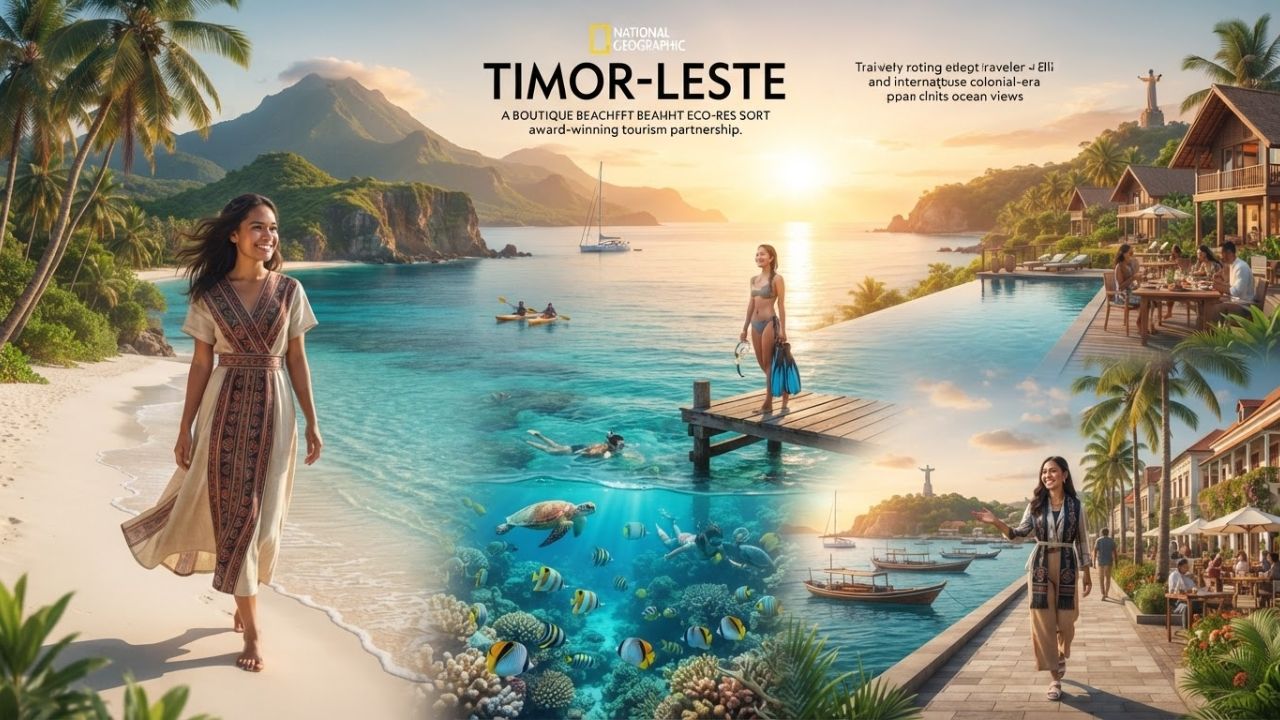
Image generated by AI
The Timor-Leste tourism partnership framework has entered a dynamic new era following official Cabinet endorsement in Dili on July 29, 2026, where the government approved plans to deepen international travel cooperation with Portugal, Angola, and Mozambique. By uniting with fellow member states of the Community of Portuguese Language Countries (CPLP), the Southeast Asian nation aims to expand its global market visibility, improve hospitality training, and promote its untouched marine ecosystems—including the world-renowned coral reefs of Atauro Island. Official directives confirm that while destination promotion is expanding, existing entry visa rules, passport requirements, and border control procedures remain unchanged.
📌 Quick Summary
- Cabinet Approval: Timor-Leste approved plans during a Dili Cabinet meeting on July 29, 2026, to strengthen tourism cooperation with Portugal, Angola, and Mozambique.
- CPLP Cultural Connection: The initiative leverages shared language and historical bonds across the Community of Portuguese Language Countries (CPLP).
- Atauro Island Eco-Focus: Promotes Timor-Leste’s premier tourism assets, highlighting Atauro Island’s exceptional marine biodiversity, coral reefs, and world-class diving.
- Industry Skills & Training: Focuses on hospitality management training, sustainable destination planning, and international marketing expertise.
- No Visa Policy Changes: The tourism agreement introduces no immediate changes to entry visas, passport rules, or border procedures.
Published on July 30, 2026
The strategic collaboration marks an important milestone in Timor-Leste’s effort to diversify its national economy away from traditional industries and establish sustainable travel as a major pillar of economic development.
According to updates from Timor-Leste Tourism, the country is positioning itself as an authentic, uncrowded alternative in Southeast Asia. By avoiding mass-tourism commercialization, Timor-Leste preserves its pristine beaches, mountain landscapes, and rich cultural traditions for discerning global travelers.
Context and Background: Leveraging CPLP Shared Heritage for Economic Growth
As one of Asia’s newest nations, Timor-Leste possesses extraordinary natural beauty but has historically faced challenges regarding global brand awareness and hospitality infrastructure. Strengthening ties with Portugal, Angola, and Mozambique allows the nation to draw upon established international expertise.
Portugal brings decades of experience as one of Europe’s premier travel destinations, offering technical guidance in heritage preservation, coastal tourism, and international marketing. Simultaneously, Angola and Mozambique contribute valuable lessons in managing nature-based eco-tourism and coastal community development across the Lusophone world.
By building a sustainable tourism model centered around local participation and ecological conservation, Timor-Leste aims to ensure that visitor spending directly supports local employment and community infrastructure across all municipalities.
Event Details: Core Agreement Areas, Destinations, and Visa Directives
Detailed breakdowns outline the primary pillars of the CPLP tourism agreement:
1. Key Areas of International Cooperation
- Hospitality Training & Education: Establishing professional training programs for local hoteliers, tour operators, and hospitality staff.
- International Marketing Campaigns: Leveraging Portuguese media networks to introduce European and African travelers to Timorese attractions.
- Sustainable Destination Management: Implementing conservation practices to protect delicate island ecosystems and historical landmarks.
- Technical Knowledge Exchange: Sharing administrative expertise in eco-tourism planning and cultural heritage promotion.
2. Featured Timorese Destinations and Attractions
- Atauro Island: Globally recognized for having some of the world's most bio-diverse coral reef ecosystems, offering world-class scuba diving, snorkeling, and marine conservation tours.
- Dili (Capital Gateway): Serves as the primary entry point for international travelers, featuring historic monuments, coastal walks, and traditional craft markets.
- Inland Mountain Regions: Features traditional Timorese villages, coffee plantations, and rugged hiking trails through pristine mountain scenery.
3. Official Status of Visa and Border Regulations
Government officials explicitly clarified immigration protocols surrounding the agreement:
- Unchanged Visa Rules: Standard visa entry requirements, application procedures, and fee structures remain fully in effect based on visitor nationality.
- Border & Airport Procedures: No changes have been implemented regarding passport validity requirements, customs declarations, or airport processing protocols at Presidente Nicolau Lobato International Airport in Dili.
CPLP Tourism Partnership Roles & Destination Focus
The table below outlines the specific contributions of partner nations and Timor-Leste's primary tourism highlights:
| Partner Country / Entity | Strategic Industry Contribution | Primary Destination / Focus |
|---|---|---|
| Timor-Leste (Host) | Emerging Sustainable Destination | Atauro Island, Dili & Mountain Eco-Routes |
| Portugal | European Destination Marketing & Training | Heritage Tourism & Hospitality Management |
| Mozambique | Marine & Coastal Tourism Expertise | Island Conservation & Coastal Travel Models |
| Angola | Cultural Heritage & Eco-Tourism Input | Community-Based Tourism & Nature Reserves |
| CPLP Framework | Shared Language & Cultural Exchange | Cross-Continental Tourism Network (Asia-Africa-Europe) |
Risk and Impact Analysis: Traveler Considerations and Operating Factors
While the partnership opens new opportunities, travel operators and visitors should keep several practical factors in mind:
- Remote Island Transit Logistics: Accessing Atauro Island requires ferry or water-taxi transfers from Dili; boat schedules depend on weather and sea conditions.
- Developing Hospitality Infrastructure: Outside Dili, accommodations primarily consist of eco-lodges and family guesthouses; travelers should expect authentic, non-commercial lodging.
- Preserving Marine Ecosystems: High marine biodiversity at Atauro Island requires strict adherence to reef-safe diving and non-extractive eco-tourism rules.
- Seasonal Weather Shifts: The monsoon season (typically December to March) can bring heavy rainfall and rough seas, making dry-season visits (May to November) ideal for coastal travel.
What Tourism Authorities and Government Leaders Are Saying
Official statements from the Timor-Leste Cabinet and CPLP representatives underline the long-term vision behind the decision:
"Approving this strategic tourism cooperation agreement with Portugal, Angola, and Mozambique marks a major milestone in Timor-Leste's economic development. By drawing upon the expertise of our CPLP partners, we are building a sustainable, community-centered tourism industry that showcases our untouched marine treasures like Atauro Island while preserving our authentic cultural identity."
Portuguese tourism delegates added that shared language ties make Timor-Leste a natural destination for European travelers seeking unique cultural and natural experiences in Asia.
Practical Traveler Advice: Visiting Timor-Leste in 2026
Travelers planning an itinerary to Timor-Leste can maximize their experience by following these practical travel guidelines:
- Plan an Atauro Island Diving Excursion: Arrange guided snorkeling or scuba diving trips to Atauro Island to explore pristine coral reefs recognized for world-record marine biodiversity.
- Verify Entry Visa Requirements: Check official visa regulations prior to booking flights; most nationalities receive visas on arrival at Dili Airport, while others require pre-departure approval.
- Explore Dili's Cultural Heritage: Spend 1–2 days in Dili visiting historical monuments, local coffee houses, and traditional Tais weaving markets.
- Book Eco-Lodges in Advance: Secure accommodations on Atauro Island and in mountain districts early, as small eco-resorts have limited room capacity.
- Travel During the Dry Season: Plan visits between May and November for calm seas, sunny beach days, and optimal underwater visibility.
Broader Context: Building Asia's Most Authentic Destination
Timor-Leste’s tourism strategy stands out in Southeast Asia by deliberately avoiding high-density mass tourism. While neighboring destinations face overcrowding and environmental strain, Timor-Leste is choosing a path focused on low-impact, high-value eco-tourism.
Furthermore, its unique position as a Portuguese-speaking nation in Asia gives it a distinct cultural heritage expressed through architecture, music, culinary traditions, and language—creating a fascinating bridge between Asia, Europe, and Africa within the CPLP network.
Looking Ahead: Hospitality Training and Global Promotion Through Late 2026
As the four-nation agreement moves into implementation through late 2026:
- Launching Hospitality Training Academies: Establishing vocational training courses in Dili to equip local youth with international hotel and tour management skills.
- Joint CPLP Destination Campaigns: Rolling out promotional travel features across European and African media to raise awareness of Timor-Leste's eco-tourism offerings.
- Expanding Atauro Marine Protection: Implementing strict eco-tourism guidelines to ensure marine park conservation keeps pace with rising diver arrivals.
FAQ: Timor-Leste Tourism Partnership 2026
What is the new Timor-Leste tourism partnership?
It is an international cooperation agreement approved on July 29, 2026, between Timor-Leste, Portugal, Angola, and Mozambique to promote sustainable travel, hospitality training, and cultural exchange.
Have visa or entry rules changed for visiting Timor-Leste?
No, the agreement introduces no changes to entry visas, passport requirements, or border control procedures. Existing immigration rules apply.
What is Atauro Island famous for?
Atauro Island is world-famous for its extraordinary marine biodiversity, pristine coral reefs, and world-class scuba diving and snorkeling.
What language connection links these four nations?
All four countries are members of the Community of Portuguese Language Countries (CPLP), sharing historical and cultural connections through the Portuguese language.
Conclusion: Sustainable Travel on Asia's New Frontier
The partnership between Timor-Leste, Portugal, Angola, and Mozambique signals an exciting future for Southeast Asia's newest travel frontier. By combining world-class marine conservation on Atauro Island with sustainable CPLP cultural collaboration, Timor-Leste is proving that authentic, low-impact travel offers the ultimate pathway to global tourism success.
SEO & Google News Metadata Suggestions
- Suggested Meta Title: Timor-Leste CPLP Tourism Partnership 2026 Guide (< 60 chars)
- Suggested URL Slug:
timor-leste-tourism-partnership-portugal-angola-mozambique-2026 - Suggested Article Tags:
Timor-Leste tourism partnership,Atauro Island diving Timor-Leste,CPLP tourism agreement 2026,sustainable tourism Timor-Leste,Dili Timor-Leste travel
Related Travel Guides
The 10 Best Things to Do in Timor-Leste (Atauro Island & Dili), According To Reddit
Disclaimer
This article is for informational and educational purposes only. It does not constitute legal, financial, or professional advice. While we strive to provide accurate and up-to-date information, travel policies, regulations, and conditions change rapidly. Always verify information with official sources before making travel decisions. Nomad Lawyer makes no representations about the accuracy, reliability, completeness, or suitability of the information provided. Readers should consult qualified professionals for advice specific to their circumstances. The views expressed in this article are those of the author and do not necessarily reflect the views of Nomad Lawyer.
Kunal K Choudhary
Co-Founder & Contributor
A passionate traveller and tech enthusiast. Kunal contributes to the vision and growth of Nomad Lawyer, bringing fresh perspectives and driving the community forward.
Learn more about our team →