
Airlines Face Pilot Exodus Crisis as Mandatory Retirement Age Claims Thousands of Experienced Captains
Breaking airline news and aviation industry updates for 2026.

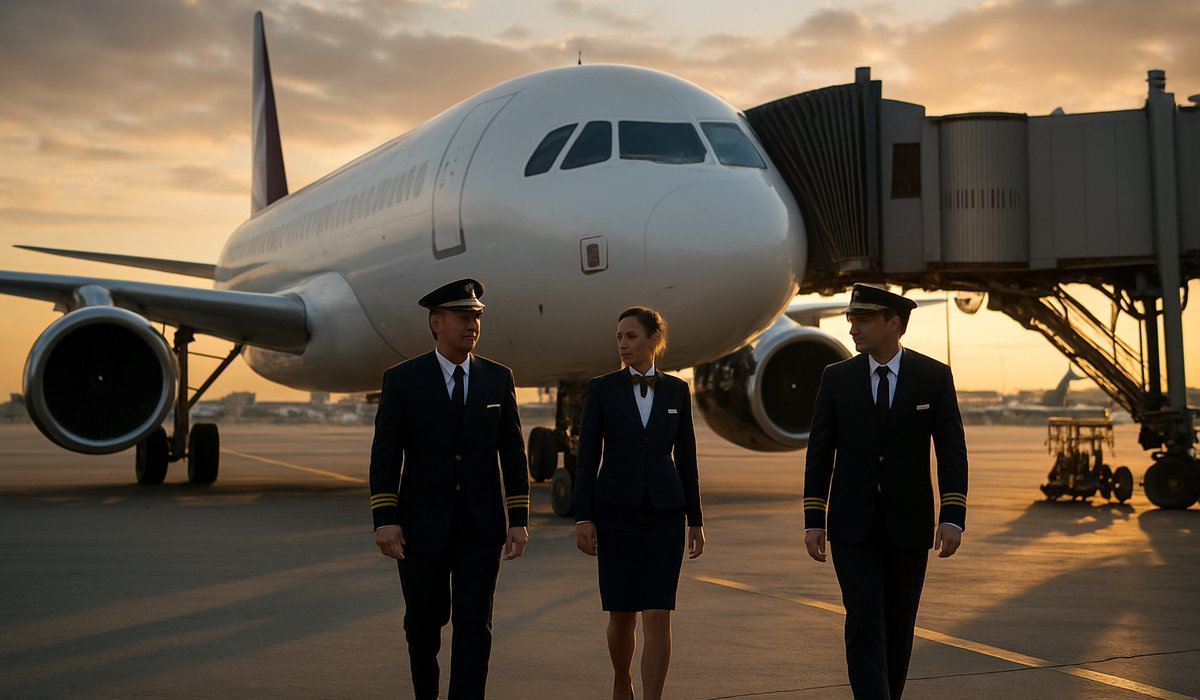
Image generated by AI
Airlines Face Pilot Exodus Crisis as Mandatory Retirement Age Claims Thousands of Experienced Captains
A perfect storm of regulatory mandates and pandemic-era buyouts leaves carriers scrambling to fill cockpit leadership void
The Perfect Storm: Retirement Regulations Meet Pandemic Pressures
The global aviation industry is grappling with an acute shortage of seasoned pilots, as thousands of veteran captains simultaneously reach the Federal Aviation Administration's mandatory retirement threshold of 65 years old. What began as a predictable demographic transition has accelerated into a crisis, compounded by pandemic-era decisions that permanently depleted airlines' most experienced flight crews.
This convergence of regulatory constraints and pandemic-driven workforce reductions has created what industry analysts describe as a "demographic cliff"—a phenomenon that has been developing quietly for decades but has suddenly become critical. The timing could not be worse for an industry still recovering from the health crisis and contending with elevated operational costs driven by soaring jet fuel prices and staffing pressures across all crew positions.
Pandemic Accelerated the Crisis
During the 2020-2021 travel collapse, major carriers offered early retirement packages to senior pilots as part of aggressive cost-reduction strategies. These buyouts succeeded in trimming payroll expenses when demand plummeted, but they permanently removed experienced aviators from the workforce at a crucial moment. Now, as air traffic has rebounded to near-record levels and new aircraft are entering fleets, airlines find themselves without the seasoned captains necessary to lead operations and mentor junior pilots.
The consequences extend beyond the cockpit. The absence of experienced leadership creates bottlenecks in pilot training pipelines and reduces mentorship opportunities for first officers seeking to advance. Airlines must now recruit and certify captains from increasingly limited pools of qualified candidates, driving up pilot compensation and intensifying competition between carriers for talent.
The Regulatory Constraint Airlines Cannot Bypass
Unlike staffing shortages that carriers can address through higher wages or improved working conditions, the FAA's mandatory retirement age represents a hard regulatory ceiling. Federal rules require commercial pilots to cease flight operations at age 65, with no exceptions or exemptions available. This inflexible mandate, combined with the demographic bulge of pilots hired during previous expansion cycles, creates a structural problem that money and recruitment initiatives alone cannot resolve.
The shortage threatens operational continuity, training capacity, and network expansion plans across the industry. Airlines are investing heavily in pilot recruitment and retention initiatives, but these efforts require years to yield results as candidates progress through licensing and training requirements.
Broader Industry Implications
The pilot shortage intersects with other aviation cost pressures, including volatile jet fuel prices and increased regulatory compliance expenses. Airlines already burdened by elevated operating costs face the additional challenge of competitive wage bidding for experienced pilots, potentially pressuring margins further in coming years.
FAQ: Pilot Shortages and Aviation Industry Impact
Why are airlines losing so many experienced pilots at once? The FAA mandates that commercial pilots retire at age 65. A large cohort of pilots hired decades ago are now simultaneously reaching this age, creating a sudden workforce shortage coinciding with pandemic-era early retirements that removed experienced aviators permanently.
How does the pilot shortage affect airline ticket prices and fees? Increased pilot compensation and training costs force airlines to raise operating expenses, which can translate to higher ticket prices, baggage charges, and additional travel fees for passengers.
Can airlines hire international pilots to address the shortage? Recruiting foreign pilots requires FAA certification and licensing, a lengthy process. While possible, it cannot quickly resolve acute shortages and introduces regulatory and training complexities.
What is the FAA's mandatory pilot retirement age, and could it change? The FAA mandates retirement at 65. Legislative changes could modify this, but any increase faces regulatory and safety considerations requiring congressional action.
How long will the pilot shortage last? The shortage may persist for several years as new pilot training pipelines expand and experience, which cannot be accelerated, becomes available in the workforce.
Related Travel Guides
Flight Delay Compensation Guide 2026
Understanding Airline Route Changes
Airport Security Process Updated (2026)
External Resources
Disclaimer
This article is for informational and educational purposes only. It does not constitute legal, financial, or professional advice. While we strive to provide accurate and up-to-date information, travel policies, regulations, and conditions change rapidly. Always verify information with official sources before making travel decisions. Nomad Lawyer makes no representations about the accuracy, reliability, completeness, or suitability of the information provided. Readers should consult qualified professionals for advice specific to their circumstances. The views expressed in this article are those of the author and do not necessarily reflect the views of Nomad Lawyer.
Preeti Gunjan
Contributor & Community Manager
A passionate traveller and community builder. Preeti helps grow the Nomad Lawyer community, fostering engagement and bringing the reader experience to life.
Learn more about our team →