
United Airlines Launches Ambitious Transatlantic Route: Eight-Hour Nonstop Service from Newark to Spain
Breaking airline news and aviation industry updates for 2026.

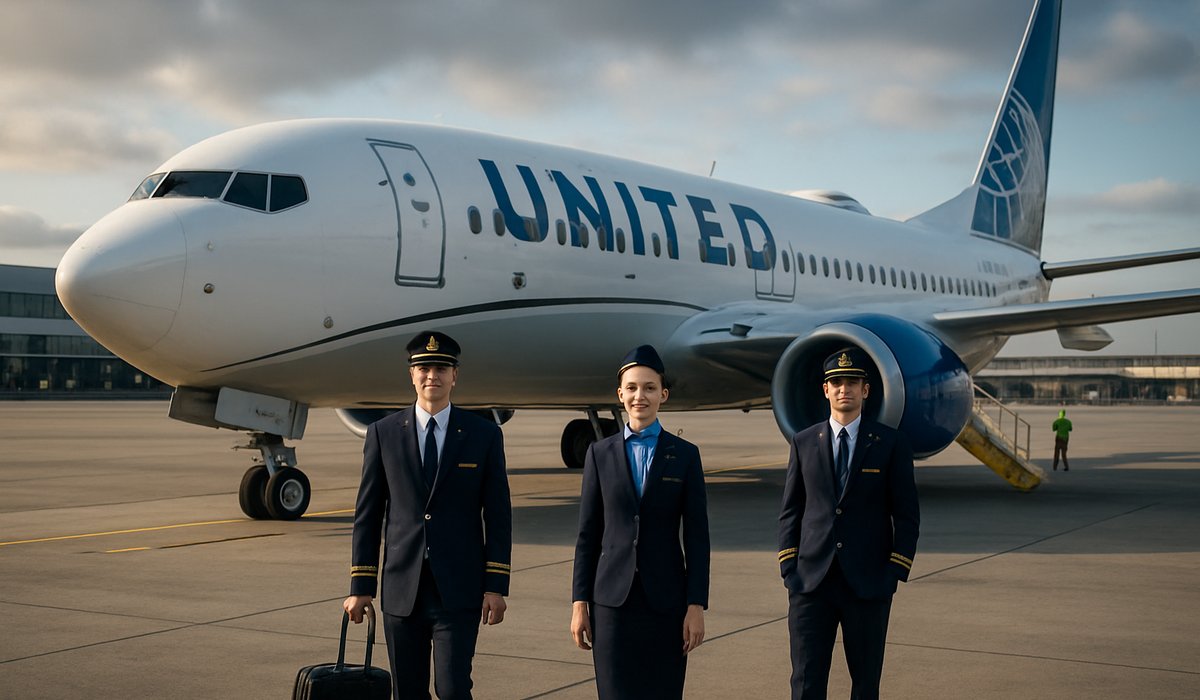
Image generated by AI
United Airlines Launches Ambitious Transatlantic Route: Eight-Hour Nonstop Service from Newark to Spain
The carrier deploys Boeing 737 MAX aircraft on longest single-aisle flight, marking significant shift in narrow-body transatlantic strategy
Direct Connectivity Reshapes Northeast Corridor Travel
United Airlines is preparing to launch direct service between Newark Liberty International Airport and Santiago de Compostela in northwestern Spain—a groundbreaking transatlantic connection that will extend the operational limits of the Boeing 737 MAX narrow-body aircraft. The new route, set to commence operations within days, underscores the aviation industry's evolving approach to long-haul travel and represents a strategic bet on point-to-point connectivity across the Atlantic.
The eight-hour journey marks one of the longest routes ever attempted using single-aisle aircraft, fundamentally challenging conventional wisdom about aircraft utilization and transatlantic aviation operations. The move reflects broader industry trends toward maximizing fuel efficiency, reducing turnaround times, and capturing niche markets that traditional wide-body operations have overlooked.
Strategic Implications for Narrow-Body Aviation
United's decision to operate this extended route signals growing confidence in the Boeing 737 MAX's range and reliability following years of operational challenges and regulatory scrutiny. The aircraft, equipped with advanced avionics and improved fuel efficiency, can now viably compete on routes previously reserved for larger twin-aisle platforms like the Boeing 787 Dreamliner or Airbus A350.
This development carries significant implications for the broader aviation sector. Airlines worldwide are increasingly examining their fleets to identify underutilized long-haul opportunities where single-aisle jets can reduce operational costs while maintaining passenger capacity. The strategy particularly benefits carriers seeking to expand international connectivity from secondary hubs without committing to expensive wide-body aircraft acquisition.
Market Response and Industry Precedent
The Santiago de Compostela destination, while not a traditional major European gateway, serves as an important hub for pilgrim tourism and regional European travel. United's selection of this market demonstrates sophisticated demand analysis and route planning, targeting underserved leisure and faith-based travel segments that may justify premium fares on point-to-point service.
The launch arrives amid ongoing discussions about sustainable aviation practices. The 737 MAX's superior fuel efficiency compared to legacy wide-body jets aligns with industry commitments to reduce carbon emissions per passenger, making the route economically and environmentally competitive.
What's Next for Transatlantic Aviation
Industry observers predict additional carriers will evaluate similar extended narrow-body operations if United's Santiago service proves commercially viable. The success or failure of this route could influence fleet planning decisions across North American and European carriers for years to come.
FAQs
What is the longest Boeing 737 MAX route currently in operation? United's new Newark-Santiago de Compostela service, at approximately eight hours, represents one of the longest operational routes for single-aisle aircraft in commercial aviation.
Why are airlines using narrow-body jets for transatlantic flights? Narrow-body aircraft offer superior fuel efficiency, lower operating costs, and faster turnaround times. Modern variants like the 737 MAX can achieve necessary range while maintaining economic viability on underserved markets.
How do airline baggage fees and operational costs relate to long-haul narrow-body expansion? Lower seat-mile costs on efficient single-aisle aircraft can allow carriers to offer competitive fares while maintaining margins, reducing reliance on ancillary revenue like baggage charges and seat selection fees.
What impact do jet fuel prices have on route decisions like this? Volatile jet fuel markets incentivize airlines to deploy more fuel-efficient aircraft on extended routes, making the 737 MAX's advanced engines particularly attractive for transatlantic operations.
Will other airlines launch similar long-haul narrow-body routes? Industry analysts suggest that successful operation of extended single-aisle transatlantic routes could trigger competitive responses, with carriers evaluating similar opportunities on underutilized European-North American city pairs.
Related Travel Guides
Flight Delay Compensation Guide 2026
Understanding Airline Route Changes
Airport Security Process Updated (2026)
External Resources
Disclaimer
This article is for informational and educational purposes only. It does not constitute legal, financial, or professional advice. While we strive to provide accurate and up-to-date information, travel policies, regulations, and conditions change rapidly. Always verify information with official sources before making travel decisions. Nomad Lawyer makes no representations about the accuracy, reliability, completeness, or suitability of the information provided. Readers should consult qualified professionals for advice specific to their circumstances. The views expressed in this article are those of the author and do not necessarily reflect the views of Nomad Lawyer.
Preeti Gunjan
Contributor & Community Manager
A passionate traveller and community builder. Preeti helps grow the Nomad Lawyer community, fostering engagement and bringing the reader experience to life.
Learn more about our team →