
Why Pilots Reduce Engine Power Immediately After Takeoff—And Why It's Safer Than You Think
Breaking airline news and aviation industry updates for 2026.

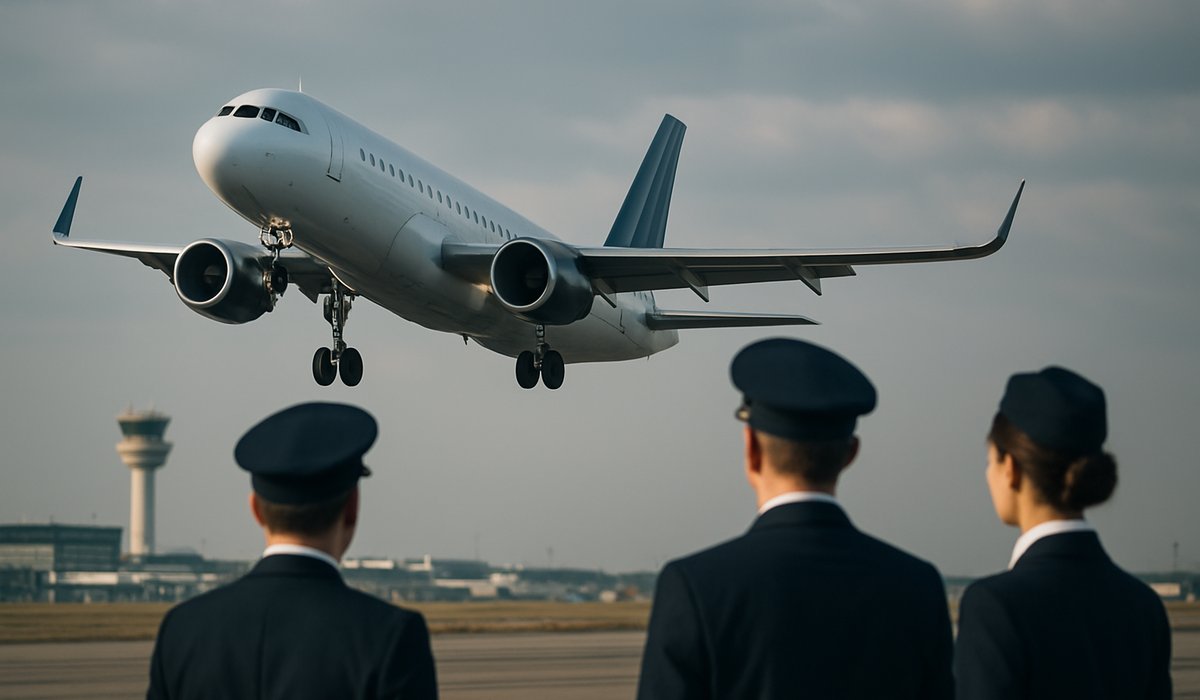
Image generated by AI
Why Pilots Reduce Engine Power Immediately After Takeoff—And Why It's Safer Than You Think
Understanding the deliberate thrust reduction that makes commercial aviation more efficient and sustainable
The Unsettling Moment Every Passenger Experiences
Commercial air travel involves a counterintuitive moment that catches many fliers off guard: seconds after the aircraft rotates and becomes airborne, the distinctive roar of maximum engine thrust noticeably diminishes. For anxious passengers still acutely aware of their proximity to the ground, this abrupt power reduction can trigger alarm—a sensation that persists despite being one of aviation's most carefully engineered and deliberate procedures.
What passengers perceive as a potential mechanical failure or loss of power is, in fact, a calculated operational decision made by flight crews worldwide. This practice, standard across commercial aviation, reflects decades of aeronautical engineering, fuel efficiency optimization, and safety protocol refinement.
The Engineering Behind Thrust Reduction
Modern aircraft require maximum engine power only during the critical takeoff roll phase. Once an aircraft achieves sufficient altitude and airspeed—typically within the first few hundred feet of flight—pilots systematically reduce thrust to what's known as "climb power," a significantly lower throttle setting that remains entirely adequate for continued ascent.
"The aircraft is designed to climb efficiently at reduced power settings once safely airborne," explains the standard operational procedure followed by commercial carriers globally. Early-generation aircraft required closer-to-maximum thrust throughout initial climb phases, but contemporary jet engine technology and aerodynamic design have fundamentally altered these requirements.
Triple Benefits: Efficiency, Safety, and Sustainability
This thrust reduction strategy delivers measurable advantages across three critical dimensions:
Fuel Economy: Reduced power consumption immediately decreases jet fuel burn rates, directly lowering per-flight operating costs during one of aviation's most fuel-intensive phases.
Engine Longevity: Operating at maximum power continuously accelerates mechanical wear on turbine components. Controlled thrust reduction extends engine service life and reduces maintenance expenditures.
Environmental Impact: Lower fuel consumption directly correlates with reduced carbon emissions during ascent, contributing to the aviation industry's sustainability objectives amid growing pressure to decarbonize global air travel.
Why This Matters for the Industry
As airlines worldwide confront elevated jet fuel prices and pressure to improve operational efficiency, optimizing every phase of flight has become economically critical. The practice of post-takeoff thrust reduction represents foundational knowledge that distinguishes professional aviation operations from theoretical flight scenarios.
Modern flight management systems automate much of this process, with sophisticated avionics calculating optimal power settings based on aircraft weight, atmospheric conditions, runway length, and destination altitude requirements.
Passenger Reassurance Through Understanding
The next time you experience that familiar reduction in engine noise shortly after liftoff, you're witnessing precision aeronautical engineering in action—not a system malfunction, but rather the deliberate optimization that makes commercial aviation simultaneously safer, more economical, and more sustainable.
Frequently Asked Questions
Why do airplane engines get quieter right after takeoff? Pilots deliberately reduce engine thrust once the aircraft safely leaves the runway because maximum power is only necessary during the takeoff roll. Modern aircraft climb efficiently at reduced power settings, conserving fuel and reducing engine wear.
Is it safe when pilots reduce engine power during climb? Absolutely. Aircraft are engineered to climb sustainably at reduced thrust levels. This procedure is standard across global aviation and has been refined through decades of flight operations and safety protocols.
How much fuel does thrust reduction during climb actually save? Significant amounts. Operating engines at reduced power during the climb phase measurably decreases fuel consumption during one of aviation's most fuel-intensive periods, directly reducing operating costs and carbon emissions.
Do modern planes need maximum engine power for the entire takeoff and climb? No. Contemporary aircraft design and jet engine technology enable safe, efficient climbing at substantially reduced power levels once airborne. Maximum thrust is essential only during the takeoff roll itself.
Can passengers hear the difference in engine power during flight phases? Yes. The distinct reduction in engine noise audible to cabin passengers during early climb is a direct result of pilots reducing throttle settings—a normal, deliberate, and entirely safe operational procedure.
Related Travel Guides
External Resources
Disclaimer
This article is for informational and educational purposes only. It does not constitute legal, financial, or professional advice. While we strive to provide accurate and up-to-date information, travel policies, regulations, and conditions change rapidly. Always verify information with official sources before making travel decisions. Nomad Lawyer makes no representations about the accuracy, reliability, completeness, or suitability of the information provided. Readers should consult qualified professionals for advice specific to their circumstances. The views expressed in this article are those of the author and do not necessarily reflect the views of Nomad Lawyer.
Preeti Gunjan
Contributor & Community Manager
A passionate traveller and community builder. Preeti helps grow the Nomad Lawyer community, fostering engagement and bringing the reader experience to life.
Learn more about our team →