
Boeing 787 Dreamliner vs. Airbus A350: Which Aircraft Truly Delivers the Smoother Flight Experience?
Breaking airline news and aviation industry updates for 2026.

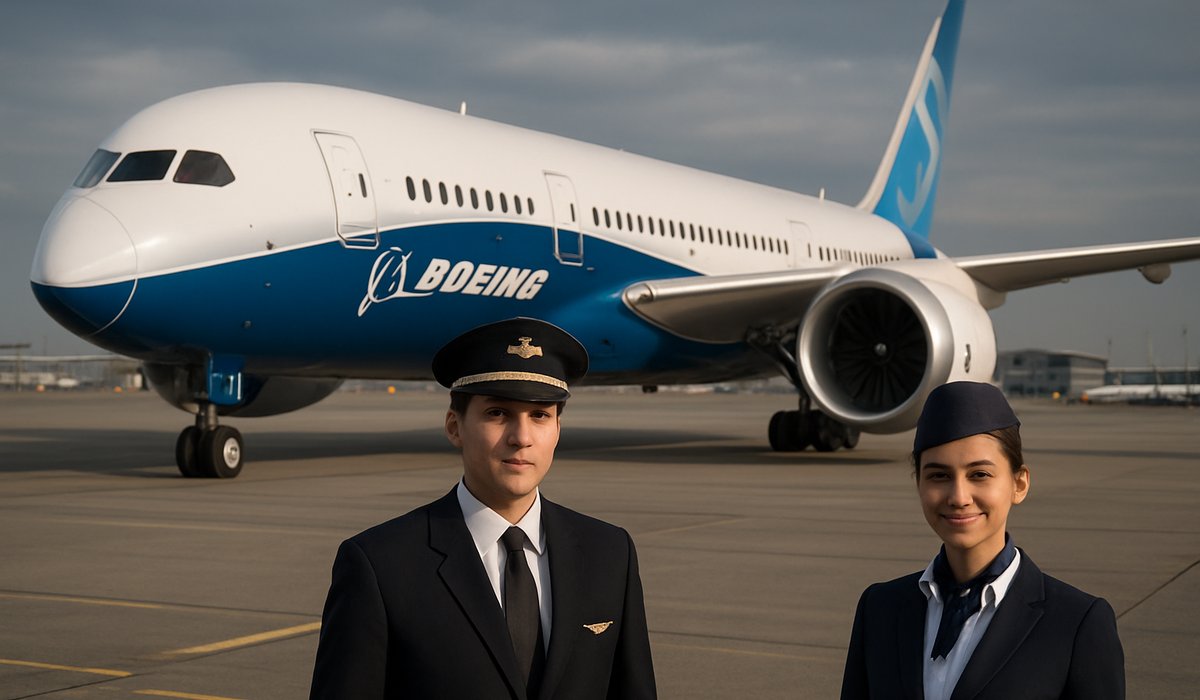
Image generated by AI
Boeing 787 Dreamliner vs. Airbus A350: Which Aircraft Truly Delivers the Smoother Flight Experience?
A comprehensive analysis of how two next-generation wide-body jets compare on ride quality, passenger comfort, and aerodynamic performance
The Great Aircraft Debate Takes Flight
The question of whether the Boeing 787 Dreamliner provides a notably smoother in-flight experience compared to the Airbus A350 has dominated conversations among frequent flyers and aviation professionals for years. As both aircraft have become the dominant long-haul workhorses on premium intercontinental routes—spanning transatlantic crossings, Asia-Pacific connections, and extended journeys across the South Pacific—the distinction between these two engineering marvels has taken on significant commercial and operational importance.
Engineering Excellence Meets Passenger Comfort
Both aircraft represent the pinnacle of modern aviation technology, incorporating advanced composite airframe construction, high-aspect-ratio wing designs, and state-of-the-art powerplant systems that fundamentally distinguish them from earlier wide-body generations. These technological innovations directly influence how passengers experience turbulence, air pressure variations, and the overall stability of the aircraft during flight.
The Boeing 787, powered by either Rolls-Royce Trent or General Electric GEnx engines, features a distinctive fuselage construction using carbon-fiber composite materials that account for approximately 50% of the aircraft's structural composition. This lighter construction, combined with its advanced flight management systems, enables the aircraft to maintain smoother flight profiles through varying atmospheric conditions.
Similarly, the Airbus A350 employs composite materials in its fuselage and wing structures, with the A350-900 and A350-1000 variants incorporating Rolls-Royce XWB engines specifically optimized for long-range performance. The aircraft's aerodynamic design and advanced avionics systems contribute to its handling characteristics across different flight phases.
What the Data Reveals
The comparative ride quality between these two aircraft depends on multiple interconnected factors rather than a single definitive measurement. Wing design, fuselage flexibility, aerodynamic efficiency, autopilot responsiveness, and cruise altitude capabilities all play crucial roles in how smoothly each aircraft navigates the upper atmosphere.
Both platforms excel in minimizing the impact of turbulence through their sophisticated flight control systems and structural design philosophies. Airlines operating both aircraft consistently report high passenger satisfaction scores on extended routes, though individual experiences vary based on atmospheric conditions, flight routing, and crew expertise.
The Verdict for Travelers
Aviation experts suggest that perceived differences in ride smoothness often reflect broader aircraft capabilities—including altitude performance, optimal cruise characteristics, and route-optimization algorithms—rather than a clear superiority of one design over another. Passengers seeking the smoothest possible journey should consider factors including scheduled cruise altitude, departure timing, and seasonal weather patterns alongside aircraft type when booking premium cabin seats on long-haul services.
FAQ: Aircraft Ride Quality and Long-Haul Travel
Which aircraft handles turbulence better, the 787 or A350? Both aircraft employ advanced composite construction and flight control systems that effectively mitigate turbulence. Performance depends more on atmospheric conditions, cruise altitude, and pilot expertise than on inherent design differences.
Do composite aircraft really provide smoother flights? Composite materials offer greater structural flexibility and damping characteristics compared to traditional aluminum, contributing to improved ride comfort, particularly during turbulent conditions.
Why do airlines choose one aircraft over another for long-haul routes? Decisions involve fuel efficiency, operational costs, cargo capacity, range requirements, and existing maintenance infrastructure rather than primarily focusing on ride smoothness.
Can passengers request specific aircraft for long-haul bookings? Most airlines don't allow specific aircraft selection, though some premium booking systems display aircraft type before purchase, allowing informed decisions based on personal preferences.
How do cabin pressurization systems affect passenger comfort on these aircraft? Both the 787 and A350 feature advanced pressurization systems that maintain lower cabin altitudes during cruise, reducing fatigue and improving overall passenger comfort on extended journeys.
Related Travel Guides
External Resources
Disclaimer
This article is for informational and educational purposes only. It does not constitute legal, financial, or professional advice. While we strive to provide accurate and up-to-date information, travel policies, regulations, and conditions change rapidly. Always verify information with official sources before making travel decisions. Nomad Lawyer makes no representations about the accuracy, reliability, completeness, or suitability of the information provided. Readers should consult qualified professionals for advice specific to their circumstances. The views expressed in this article are those of the author and do not necessarily reflect the views of Nomad Lawyer.
Preeti Gunjan
Contributor & Community Manager
A passionate traveller and community builder. Preeti helps grow the Nomad Lawyer community, fostering engagement and bringing the reader experience to life.
Learn more about our team →