
From Featherweight to Colossus: How Aviation's Extreme Aircraft Redefine Engineering Limits
Breaking airline news and aviation industry updates for 2026.

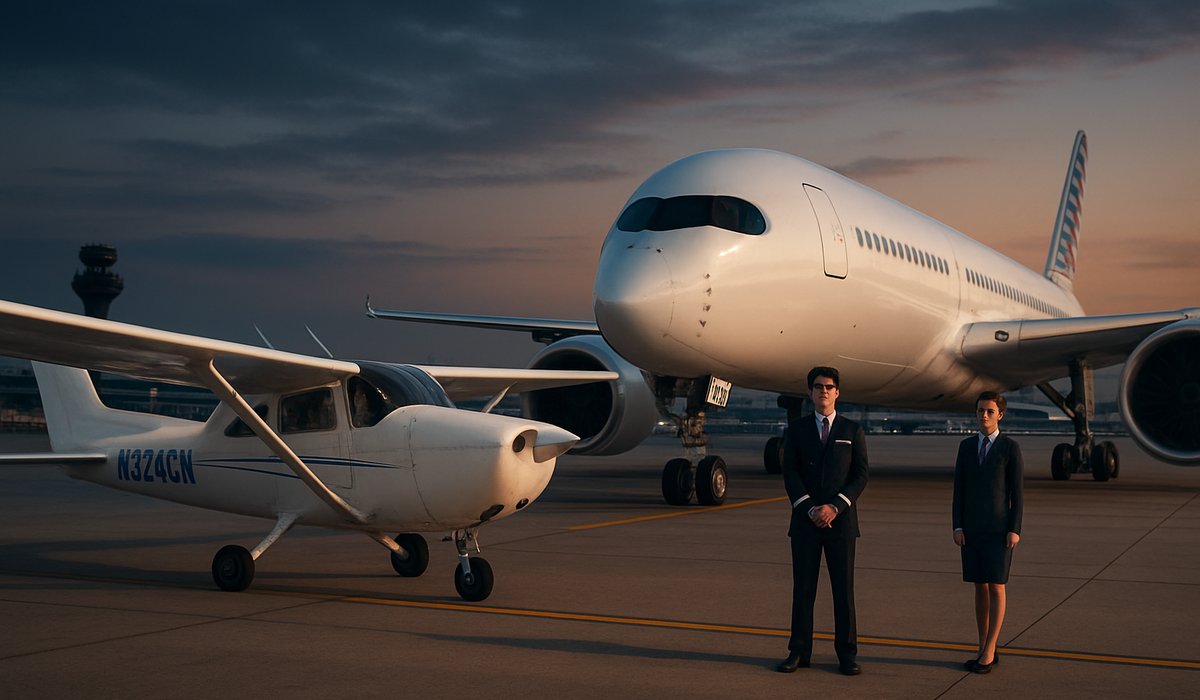
Image generated by AI
From Featherweight to Colossus: How Aviation's Extreme Aircraft Redefine Engineering Limits
The aerospace industry's most radical design challenges reveal the stunning range of human innovation—from aircraft weighing less than a car to giants carrying entire warehouses across continents
The Engineering Paradox Reshaping Modern Aviation
Aviation history presents a striking contradiction: the same industry that launches aircraft weighing mere kilograms has engineered machines exceeding 600 tonnes. This extreme spectrum illuminates how aerospace engineers address fundamentally opposing design philosophies, each pushing physics to its breaking point in pursuit of specialized missions.
The gap between aviation's lightest and heaviest aircraft represents far more than a numerical curiosity. It reflects decades of innovation addressing vastly different operational needs—from experimental research platforms to global cargo logistics networks that underpin international commerce. Understanding this contrast provides insight into how modern aviation continues expanding technological boundaries.
The Featherweight Revolution: Experimental Innovation at Its Finest
At aviation's ultralight extreme sit experimental craft designed to challenge fundamental assumptions about flight. These gossamer-winged machines, some weighing less than conventional automobiles, demonstrate principles that inform next-generation aircraft design and materials science.
These minimal-weight aircraft typically serve research purposes, breaking records in endurance, efficiency, or altitude. Engineers strip away every non-essential component, relying on composite materials, innovative aerodynamics, and meticulous weight management. The resulting craft achieve flight characteristics that conventional wisdom once deemed impossible.
The Heavyweights: Titans of Global Logistics
Conversely, the aviation industry's largest aircraft represent engineering solutions to humanity's insatiable appetite for bulk transportation. Modern cargo planes and passenger superjumbos weigh upwards of 560 tonnes when fully loaded, requiring revolutionary propulsion systems, structural innovations, and aerodynamic refinements.
These massive aircraft operate as flying warehouses, enabling global supply chains that depend on rapid, intercontinental cargo delivery. The economic implications are substantial—a single flight can transport goods equivalent to hundreds of truck shipments, reducing transportation costs and environmental impact per unit of cargo.
What These Contrasts Reveal About Aerospace Progress
The distance separating aviation's lightest and heaviest aircraft underscores the industry's remarkable versatility. Both categories push materials science, aerodynamic theory, and engineering precision to extreme limits, generating innovations that cascade throughout commercial aviation.
Ultra-light experimental craft produce breakthroughs in fuel efficiency and material performance, while heavy-lift aircraft drive developments in engine technology, structural engineering, and avionics systems. This bidirectional innovation benefits the entire sector, from regional carriers to long-haul operators.
The contrast also reflects evolving market demands. As global trade intensifies and environmental pressures mount, aerospace manufacturers simultaneously pursue lighter, more efficient designs while optimizing maximum payload capacity—a duality that defines contemporary aviation engineering.
FAQ: Understanding Aviation's Weight Extremes
What is the lightest aircraft ever flown? Experimental ultralight craft have weighed under 5 kilograms, designed primarily for research and record-breaking rather than commercial operation.
How heavy is the world's heaviest aircraft? The largest cargo and passenger aircraft exceed 600 tonnes at maximum takeoff weight, requiring specialized airports and infrastructure.
Why do aircraft weights matter for travelers? Aircraft weight directly impacts jet fuel consumption, airline operating costs, and ultimately ticket pricing and baggage fees consumers pay.
How do heavy aircraft achieve flight with such enormous weight? Advanced materials, high-bypass turbofan engines producing 70,000+ pounds of thrust, and sophisticated aerodynamic design enable safe, efficient heavy-aircraft operations.
What innovations from ultralight aircraft benefit commercial aviation? Composite material technologies, aerodynamic efficiency principles, and weight-reduction techniques developed for experimental craft directly enhance fuel economy in commercial fleets.
Related Travel Guides
- Pilot Communication Lapses Expose Critical Gaps in Air Traffic Control Systems
- United Airlines Unleashes Massive Fleet Expansion at IPW 2026 to Shield Global Travelers From Travel Chaos
- 1,333 Flights Delayed and 126 Canceled Across Asia as Jakarta, Beijing, Shanghai, New Delhi, Mumbai, Kuala Lumpur, Osaka and Fukuoka Face Massive Airport Disruptions Hitting Batik Air, Air China, AirAsia, SpiceJet, ANA Wings and Dozens More on May 20, 2026
Disclaimer
This article is for informational and educational purposes only. It does not constitute legal, financial, or professional advice. While we strive to provide accurate and up-to-date information, travel policies, regulations, and conditions change rapidly. Always verify information with official sources before making travel decisions. Nomad Lawyer makes no representations about the accuracy, reliability, completeness, or suitability of the information provided. Readers should consult qualified professionals for advice specific to their circumstances. The views expressed in this article are those of the author and do not necessarily reflect the views of Nomad Lawyer.
Kunal K Choudhary
Co-Founder & Contributor
A passionate traveller and tech enthusiast. Kunal contributes to the vision and growth of Nomad Lawyer, bringing fresh perspectives and driving the community forward.
Learn more about our team →