
United Airlines Launches Historic 6,000-Mile Nonstop Route With Boeing 787-8, Signaling Major Asia Expansion Strategy
Breaking airline news and aviation industry updates for 2026.

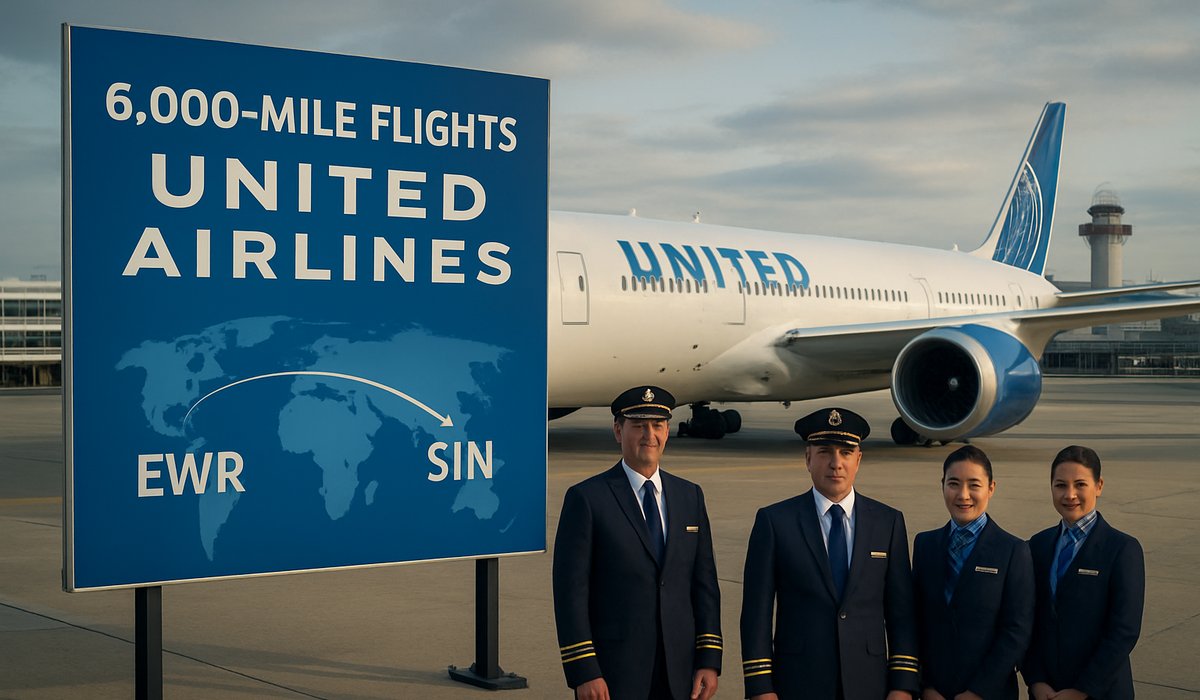
Image generated by AI
United Airlines Launches Historic 6,000-Mile Nonstop Route With Boeing 787-8, Signaling Major Asia Expansion Strategy
Chicago-Tokyo service marks carrier's longest route on fuel-efficient widebody aircraft, resuming transatlantic competition after three-year hiatus
Breaking Ground on Extended-Range Service
United Airlines has announced a strategic expansion of its Pacific network, reactivating one of its most ambitious international routes after a three-year operational pause. The carrier will resume nonstop service between Chicago O'Hare International Airport and Tokyo Narita Airport—a grueling 6,000-mile journey—deploying its advanced Boeing 787-8 Dreamliner fleet for the first time on this ultra-long-haul corridor.
This marks a watershed moment for the aircraft variant, making the Chicago-Tokyo pairing United's longest-distance route flown with the 787-8 model. The move underscores the airline's confidence in the fuel-efficient capabilities of modern widebody aircraft as carriers worldwide grapple with elevated jet fuel prices and operational pressures.
Return to the Pacific After Strategic Hiatus
United last operated the Chicago-Narita route in 2020, when it utilized the larger Boeing 777-200ER aircraft before pandemic-driven route suspensions reshaped international aviation networks. The decision to resurrect this service reflects broader industry recovery and renewed demand for premium transpacific connectivity, particularly from the Midwest's largest metropolitan center.
The 787-8's superior fuel efficiency and extended-range capabilities—critical advantages given volatile jet fuel markets—make it the logical choice for this demanding route. The aircraft's advanced engine technology and aerodynamic design consume significantly less fuel per passenger-mile than previous-generation widebodies, directly addressing airline profitability concerns in an era of unpredictable energy costs.
Strategic Implications for Aviation Market
The route resumption signals United's confidence in sustained demand for business and leisure travel between the American heartland and Japan's capital region. It also represents aggressive competitive positioning ahead of other carriers' Pacific expansion plans, particularly as travel costs rise due to persistent fuel surcharges and expanded baggage fees that have become standard across the aviation industry.
This development aligns with broader trends reshaping the aviation landscape: carriers increasingly deploying advanced aircraft on traditionally challenging routes, leveraging fuel efficiency gains to maintain competitive pricing despite structural cost pressures. For consumers, the deployment of fuel-efficient aircraft theoretically provides carriers more flexibility in managing ticket pricing and ancillary charges.
FAQ: What Travelers Need to Know About Ultra-Long-Haul Routes
How do airline baggage fees affect pricing on 6,000-mile international flights? Baggage charges vary by carrier tier and cabin class. United typically includes checked bags for premium cabin passengers on transpacific routes, though economy passengers may face standard baggage fees ($35-$45 for first checked bag).
Why are jet fuel prices important to routes like Chicago-Tokyo? Fuel represents 25-35% of airline operating costs on long-haul routes. The 787-8's advanced engines reduce fuel consumption by approximately 20%, helping carriers absorb fuel price volatility while maintaining competitive fares.
What makes the Boeing 787-8 ideal for extended Pacific routes? The 787-8 combines extended range (8,000+ nautical miles), superior fuel efficiency, and cabin pressurization technology that reduces passenger fatigue on ultra-long flights, making it optimal for grueling transpacific service.
How does aircraft efficiency impact airline fees and ticket pricing? More efficient aircraft lower per-passenger operating costs, theoretically allowing airlines to offer competitive base fares, though savings are often offset by surcharges and ancillary fees rather than passed directly to consumers.
When will the Chicago-Tokyo route begin service? Specific launch dates were not provided in the announcement; interested travelers should monitor United's booking system for availability and fare updates.
Related Travel Guides
- JetBlue A321 Executes Emergency Climb Near Fort Lauderdale After TCAS Alert Detects Training Aircraft
- Orlando Travel Chaos: How the Massive Spirit Airlines Collapse Triggers Unprecedented Flight Cancellations and Transforms Disney World Logistics
- Aviation Updates: Avelo Airlines Launches Nonstop Florida Routes from Concord-Padgett Regional Airport in North Carolina to Orlando, Tampa and Fort Myers in Late 2026, Cutting Travel Chaos With $49 Fares and Bypassing Major Hub Airport Disruptions for Southeast Leisure Travelers
Disclaimer
This article is for informational and educational purposes only. It does not constitute legal, financial, or professional advice. While we strive to provide accurate and up-to-date information, travel policies, regulations, and conditions change rapidly. Always verify information with official sources before making travel decisions. Nomad Lawyer makes no representations about the accuracy, reliability, completeness, or suitability of the information provided. Readers should consult qualified professionals for advice specific to their circumstances. The views expressed in this article are those of the author and do not necessarily reflect the views of Nomad Lawyer.
Kunal K Choudhary
Co-Founder & Contributor
A passionate traveller and tech enthusiast. Kunal contributes to the vision and growth of Nomad Lawyer, bringing fresh perspectives and driving the community forward.
Learn more about our team →