
Southwest Airlines Breaks Into Alaska Market With Inaugural Routes From Denver and Las Vegas
Breaking airline news and aviation industry updates for 2026.

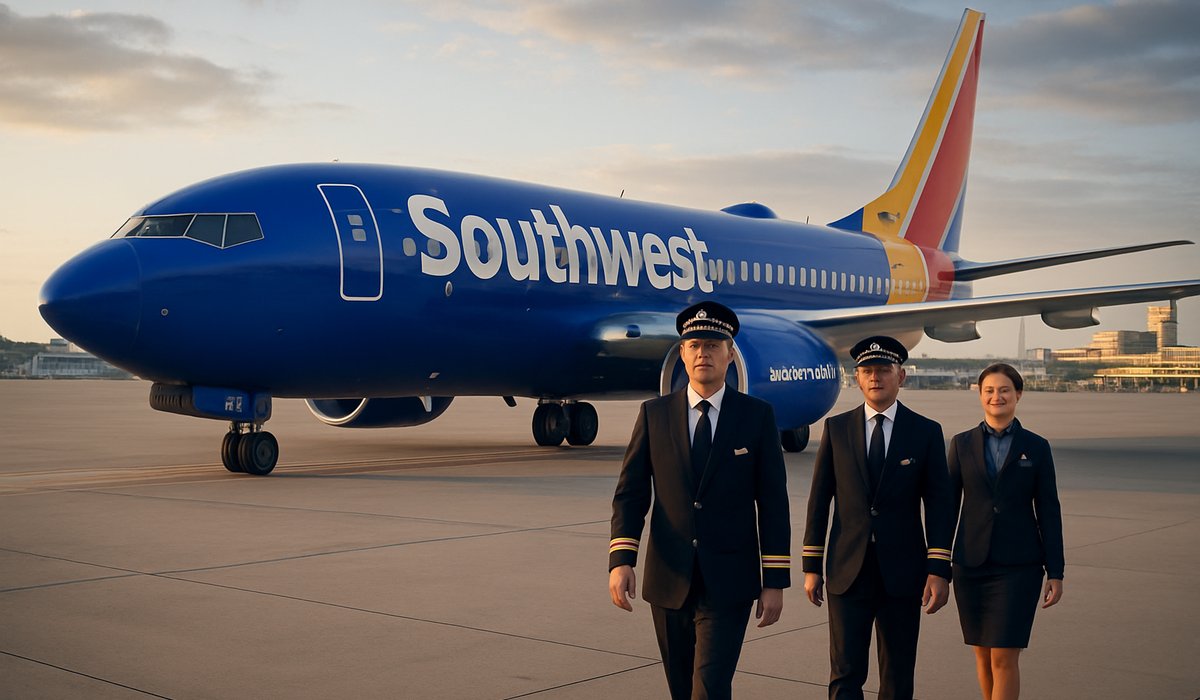
Image generated by AI
Southwest Airlines Breaks Into Alaska Market With Inaugural Routes From Denver and Las Vegas
The low-cost carrier's first-ever flights to the state signal a major expansion strategy targeting North American leisure travel
Southwest Airlines, the world's dominant low-cost carrier, has officially entered Alaska's competitive aviation market with the launch of seasonal service to Anchorage, marking a significant milestone for the Dallas-based airline operator.
Southwest's Alaska Expansion Begins
The carrier initiated operations to Ted Stevens Anchorage International Airport on Friday, May 15, introducing two new routes that will operate seasonally throughout the Northern Hemisphere summer months. The new service connects Alaska's largest hub with Denver International Airport and Las Vegas Harry Reid International Airport—two of Southwest's core network hubs that generate substantial leisure and business traffic.
This expansion represents Southwest's first-ever commercial service to Alaska, despite the airline's decades-long dominance in the U.S. domestic market. The move signals the carrier's strategic pivot toward underserved leisure destinations, particularly those experiencing peak travel demand during summer months.
Route Structure and Seasonal Strategy
Southwest's initial Alaska operation reflects a deliberately cautious approach to market entry. By limiting service to the peak summer season—when weather conditions favor frequent operations and demand peaks among tourists and business travelers—the airline minimizes operational risk while testing market viability. Both the Denver and Las Vegas routes will feed traffic from Southwest's major hubs, leveraging existing passenger networks to populate flights on the longer routes northward.
The decision to launch simultaneous service from two separate hubs demonstrates Southwest's confidence in Anchorage's appeal as a destination. Denver and Las Vegas passengers represent a combined demographic of families, adventure tourists, and business professionals with demonstrated interest in Alaska travel.
Broader Industry Implications
Southwest's Alaska entry intensifies competition in a market previously dominated by Alaska Airlines and regional carriers. The move reflects broader aviation industry trends, where low-cost operators increasingly target leisure markets previously served exclusively by legacy and regional carriers. By introducing Southwest's characteristic low-fare model, the expansion could reshape pricing dynamics across Alaska-bound routes.
The airline's timing also reflects stabilizing jet fuel prices and improved operational economics following recent cost pressures that shaped aviation industry expansion strategies. Seasonal route launches allow carriers to deploy aircraft efficiently during peak demand windows while maintaining flexibility during slower travel periods.
Southwest's expansion underscores the continuing transformation of North American aviation, where leisure-focused route networks and low-cost operational models drive network growth and competitive pressure on legacy carriers.
Frequently Asked Questions
When did Southwest Airlines start flying to Alaska? Southwest launched its first-ever flights to Alaska on May 15, with seasonal service beginning from Denver and Las Vegas to Anchorage.
Which airports does Southwest now serve in Alaska? Southwest operates flights to Ted Stevens Anchorage International Airport (ANC), Alaska's largest aviation hub, with connecting service from Denver International (DEN) and Las Vegas Harry Reid International (LAS).
Is Southwest's Alaska service year-round? No, Southwest operates these routes seasonally during the Northern Hemisphere summer months when travel demand and weather conditions are most favorable.
How does Southwest's Alaska expansion affect airline baggage fees and travel costs? Southwest's low-cost model typically includes two free checked bags, which could reduce overall travel costs compared to competitors charging baggage fees on Alaska routes.
What does Southwest's Alaska entry mean for Alaska Airlines competition? The expansion introduces additional low-cost competition in Alaska's market, potentially pressuring fares and reshaping competitive dynamics that Alaska Airlines has historically dominated.
Related Travel Guides
- Singapore Airlines Resists Ticket Price Spikes Amid Surging Fuel Costs: SIA Expands Europe Capacity by 13% to Counter Regional Travel Chaos and Global Airport Disruptions
- China Plunges Into Travel Chaos as Air China and China Eastern Trigger 852 Flight Cancellations and Delays Across Beijing and Guangzhou: Latest Airline News
- American Edinburgh Route: JFK Joins Five US Cities in Spring 2026
Disclaimer
This article is for informational and educational purposes only. It does not constitute legal, financial, or professional advice. While we strive to provide accurate and up-to-date information, travel policies, regulations, and conditions change rapidly. Always verify information with official sources before making travel decisions. Nomad Lawyer makes no representations about the accuracy, reliability, completeness, or suitability of the information provided. Readers should consult qualified professionals for advice specific to their circumstances. The views expressed in this article are those of the author and do not necessarily reflect the views of Nomad Lawyer.
Preeti Gunjan
Contributor & Community Manager
A passionate traveller and community builder. Preeti helps grow the Nomad Lawyer community, fostering engagement and bringing the reader experience to life.
Learn more about our team →