Military Drone Technology Reaches New Heights: Five Advanced Systems Reshaping Modern Warfare


Image generated by AI
Unmanned combat aircraft systems now rival piloted fighters in capability, with costs ranging from $1 million to over $100 million
The Evolution of Unmanned Combat Systems
Uncrewed military aircraft have undergone a dramatic transformation over recent decades, evolving from simple surveillance platforms into sophisticated weapons systems capable of executing complex, multi-domain operations. Today's unmanned combat air vehicles (UCAVs) represent some of the most technologically advanced aerospace platforms in service, bridging the gap between traditional reconnaissance drones and fifth-generation combat aircraft.
The modern UCAV landscape encompasses extraordinary diversity in design, operational scope, and cost. Systems range from affordable, piston-engine models designed for battlefield observation and tactical support—operating at the lower end of the $1 million price point—to highly classified, jet-powered stealth platforms exceeding $100 million in unit cost. This stratification reflects a fundamental shift in military strategy: unmanned systems now serve as force multipliers capable of extending operational reach far beyond traditional airpower limitations.
The Spectrum of Capabilities
At the foundational level, simpler UCAV variants employ conventional propeller-driven engines to conduct surveillance, provide real-time targeting intelligence, and deliver precision-guided munitions in contested environments. These systems prioritize operational flexibility and rapid deployment over raw performance metrics.
The most advanced iterations represent a technological leap altogether. Fitted with jet propulsion systems and wrapped in sophisticated stealth airframes, these platforms are engineered to operate alongside—and often in support of—fifth-generation fighter aircraft deep within enemy-controlled territory. Their integration into modern military doctrine fundamentally changes force composition and strategic planning.
Strategic Implications for Global Defense
The proliferation of advanced UCAV technology carries significant geopolitical weight. As drone capabilities expand across multiple nations and military branches, traditional air superiority calculations require recalibration. The ability to conduct sustained operations at range, without risk to aircrew, fundamentally alters the cost-benefit analysis of air campaigns.
The investment scale underscores this strategic importance. Military budgets worldwide increasingly allocate substantial resources to UCAV development and procurement, signaling confidence in unmanned systems as centerpieces of future warfare rather than supplementary assets. This shift has cascading effects on defense spending, pilot training requirements, and multinational alliance structures.
FAQ: Military Drone Technology Questions
What is the price range for modern military drones? Current unmanned combat air vehicles range from approximately $1 million for basic surveillance models to over $100 million for advanced, jet-powered stealth platforms.
How do military drones compare to piloted fighter aircraft? Advanced UCAVs now match or exceed many capabilities of traditional fighters, including stealth features, jet propulsion, and extended operational range, while eliminating aircrew risk.
Which nations operate the most advanced drone systems? Multiple militaries worldwide field sophisticated UCAVs, though specifics remain classified for operational security reasons.
What types of engines power military drones? Systems range from piston-driven propeller engines in basic models to advanced jet propulsion in high-end platforms designed for contested airspace.
How are drones integrated into modern military strategy? UCAVs serve as force multipliers supporting fifth-generation fighters, providing surveillance, targeting, and strike capabilities across extended operational ranges.
Related Travel Guides
External Resources
This article is for informational purposes. Flight routes, passenger regulations, visa rules, and transit advisories are subject to change by airlines and aviation authorities. Readers are advised to verify schedules and travel documentation with relevant carriers and border agencies before departure.
Related Stories
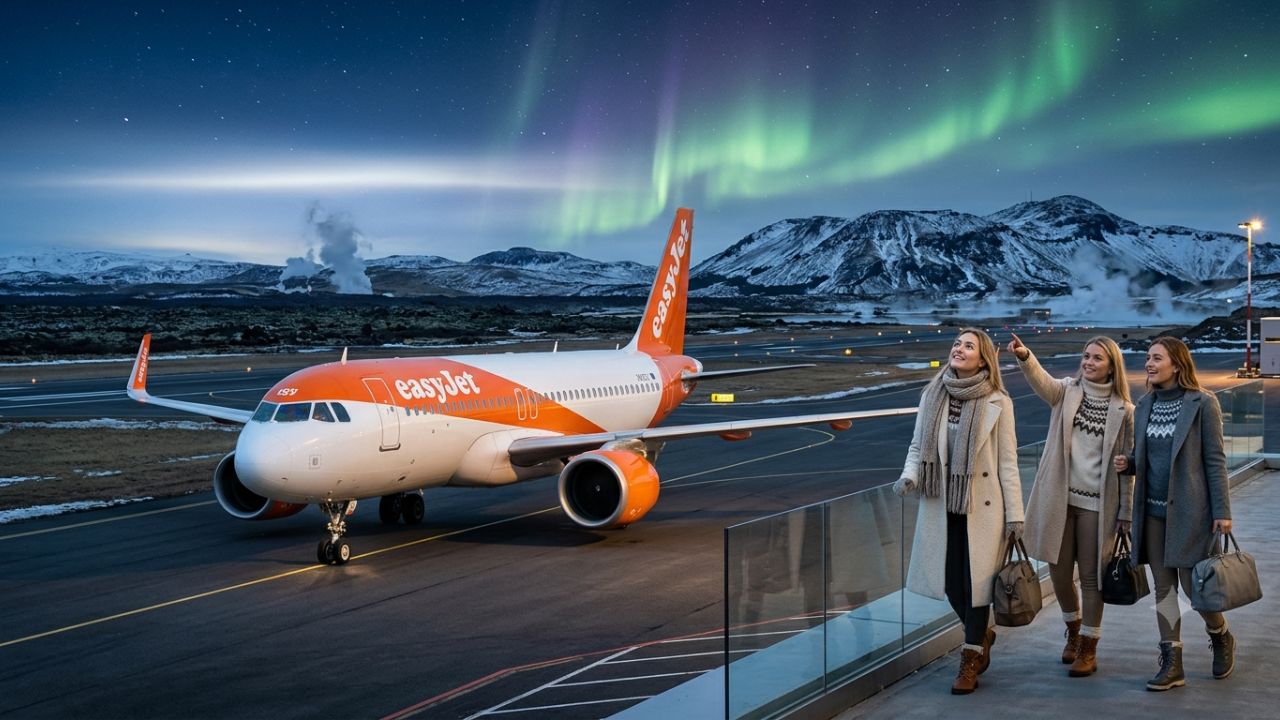
easyJet Launches Direct Liverpool to Reykjavik Flights: Inside the North West's New Winter Gateway to Iceland

British Airways Revives Long-Haul Meal Pre-Orders on Las Vegas Flights: Inside the World Traveller Plus Dining Trial