
Thailand and Southeast Asia Tourism 2026: Europe Travel Slowdown Forces New Asian Market Strategy
Southeast Asia's tourism industry faces a major 2026 shift as European travel demand slows amid rising aviation costs. Destinations like Thailand, Vietnam, and Cambodia are now accelerating a new global visitor strategy targeting Asian markets and premium travelers.

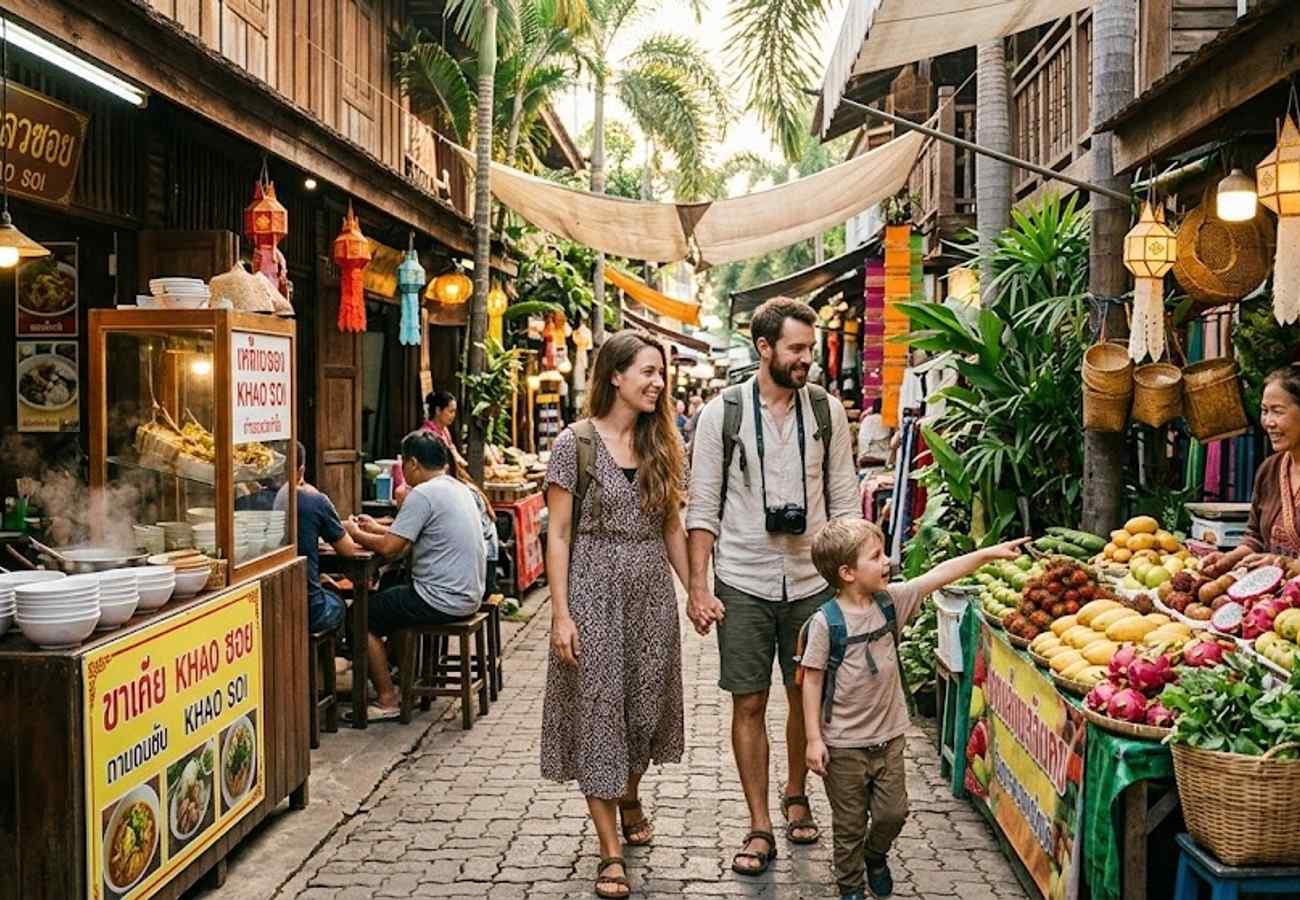
Image generated by AI
Southeast Asia's tourism industry is facing a major shift in 2026 as European travel demand slows amid geopolitical uncertainty and higher aviation costs. Destinations like Thailand, Vietnam, and Cambodia are now accelerating a new global visitor strategy.
The Local Trend Revealed
For decades, European visitors have formed the backbone of long-haul leisure travel across Southeast Asia. Travelers from Europe typically stay longer, spend across multiple regions, and directly support hotels, restaurants, transport providers, and local experiences in areas like Phuket, coastal Cambodia, and Vietnam's historic cities.
The current environment is placing immense pressure on this traditional model. Global conflicts, higher flight costs, and changing airline routes are making long-haul travelers more cautious. Beach resorts are facing lower occupancy expectations, small tourism operators are losing advance bookings, and heritage attractions are experiencing fewer international groups. Local transport and hospitality workers are seeing weaker seasonal demand.
However, viewing this solely as a loss story misses the broader transformation taking place. Southeast Asia is not simply losing European travelers; it is entering a new competition for replacement markets, premium visitors, and more resilient travel segments. Government tourism data shows that countries are increasingly attracting visitors from India, China, South Korea, Australia, Southeast Asian neighbors, and emerging Middle Eastern markets.
Vietnam provides a clear example of this adaptation. Official tourism statistics show that Vietnam recorded 12.25 million international visitors in the first six months of 2026, up 14.9% year-on-year. During the first quarter of 2026, the country welcomed 6.76 million international visitors, with Europe accounting for 1.23 million arrivals, increasing 55.6% year-on-year. This proves that geopolitical uncertainty does not affect every market equally and that diversified demand can maintain growth momentum even as traditional source markets soften.
Cultural & Environmental Value
For the visitor, the real impact of this shift is a renewed focus on sustainable experiences and regional heritage. Tourism authorities, including the Tourism Authority of Thailand (TAT) and the Vietnam National Authority of Tourism (VNAT), are pivoting away from high-volume, seasonal overcrowding toward longer-stay visitors and wellness tourism.
This redistribution of traveler source markets supports regional heritage by spreading visitor footfall across secondary cities and lesser-known provinces rather than concentrating impacts at iconic attractions. By targeting premium travelers who stay longer, local economies benefit from year-round visitation rather than volatile seasonal spikes. Eco-tourism initiatives are gaining traction, encouraging visitors to engage with community-based tourism projects that directly fund local conservation bodies and preserve cultural heritage sites in Cambodia and Thailand.
As destinations compete harder for these new international audiences, travelers will find more competitive hotel pricing, better travel packages, improved airport connectivity, and new experiences targeting international visitors. Destinations that were once overcrowded during peak periods are becoming more accessible, allowing for a higher quality of cultural engagement.
Visitor Insider Tips
Travelers looking to experience Southeast Asia during this transitional period should consider a few local strategies to maximize their trip and support regional economies:
- Off-Peak Visit Windows: With European seasonal demand softening, the traditional peak periods are becoming more accessible. Target the shoulder months (May to early June or September to October) to enjoy lower occupancy rates at beach resorts in Phuket and better availability at heritage zones in Cambodia.
- Cultural Etiquette: When visiting heritage attractions in Vietnam or Cambodia, dress modestly and always ask for permission before taking photographs of local residents or religious artifacts. Engaging with local guides directly at the site ensures your entrance fees support the regional conservation bodies maintaining these historic zones.
- Local Dining Specialties: Move beyond the main tourist strips. In Thailand, seek out regional northern dishes like Khao Soi in small, family-run eateries rather than international hotel restaurants. In Vietnam, explore the street food alleys of Hanoi or Hoi An for authentic Bun Cha or Cao Lau, directly supporting local hospitality workers facing weaker demand.
- Hidden Under-The-Radar Spots: To avoid the traditional sightseeing crowds, consider secondary cities. Instead of Phuket, explore Trang or Koh Lipe in southern Thailand. In Vietnam, bypass the busiest sections of Hanoi for the quieter northern highlands of Ha Giang, where community-based eco-tourism initiatives are actively supported by local tourism departments.
Tourism Outlook
The long-term impact of Europe's travel slowdown is a permanent restructuring of Southeast Asia's tourism model. Heavy dependence on one major source market creates vulnerability, and tourism authorities are rapidly recognizing this reality. The future battle for Southeast Asian tourism will not be about recovering yesterday's traveler numbers, but about attracting tomorrow's travelers.
Countries with multiple source markets have stronger protection against global disruptions. The destinations that succeed will be those capturing travelers who spend more, stay longer, and travel throughout the year. Future competitiveness will depend on digital travel marketing, luxury and wellness tourism, and sustainable experiences that create stronger reasons for visitors to return.
Southeast Asia's tourism story is not collapsing; it is being rewritten. The next phase will belong to destinations that understand where travelers are going, why they are choosing those places, and what experiences they value most.
Adaptability, not just affordability, will define the next era of Southeast Asian travel.
Related Travel Guides
Disclaimer
This article is for informational and educational purposes only. It does not constitute legal, financial, or professional advice. While we strive to provide accurate and up-to-date information, travel policies, regulations, and conditions change rapidly. Always verify information with official sources before making travel decisions. Nomad Lawyer makes no representations about the accuracy, reliability, completeness, or suitability of the information provided. Readers should consult qualified professionals for advice specific to their circumstances. The views expressed in this article are those of the author and do not necessarily reflect the views of Nomad Lawyer.
Kunal K Choudhary
Co-Founder & Contributor
A passionate traveller and tech enthusiast. Kunal contributes to the vision and growth of Nomad Lawyer, bringing fresh perspectives and driving the community forward.
Learn more about our team →