
Thailand Revise Visa Fees for Indian Applicants From April 27, 2026
Thailand revise visa and consular fees effective April 27, 2026. Indian applicants face higher costs, with long-term residency permits reaching ₹1,40,000. Updated rates cover tourist, non-immigrant, and SMART visas.

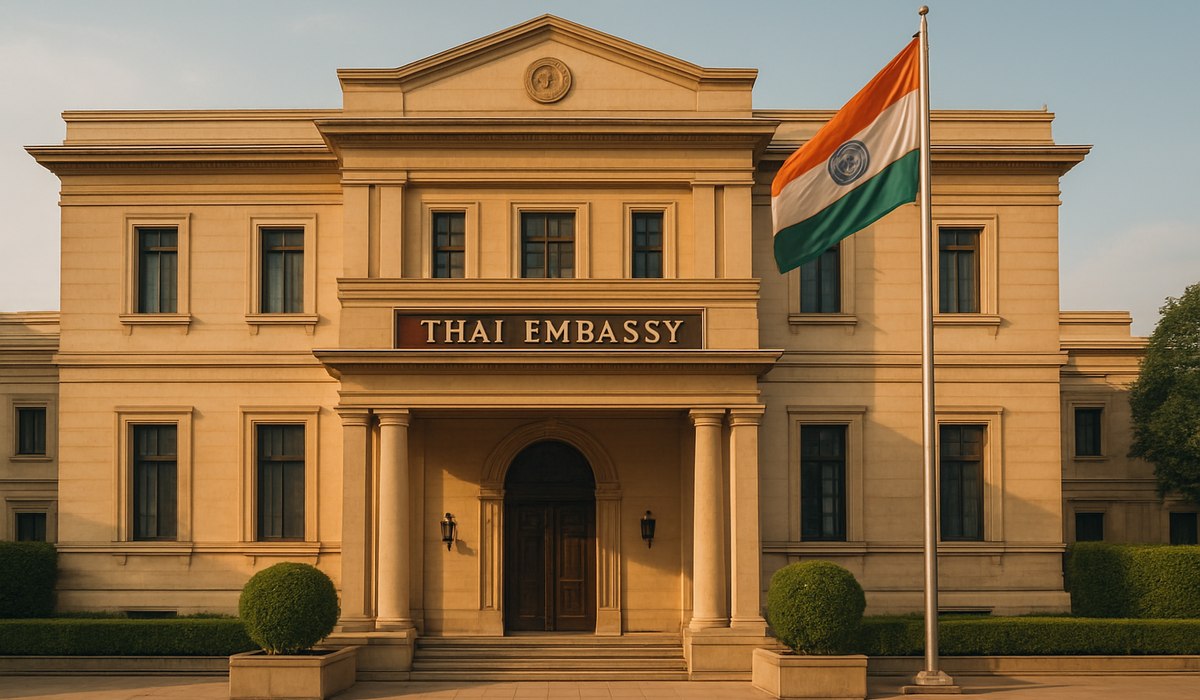
Image generated by AI
Thailand Revise Visa Fees: What Indian Travelers Need to Know
The Royal Thai Embassy in New Delhi announced revised visa and consular service fees effective April 27, 2026. This significant update affects Indian nationals planning travel to Thailand across multiple visa categories. Long-term residency permits now command substantially higher fees, reaching ₹1,40,000. The changes encompass tourist visas, non-immigrant classifications, SMART permits, and document legalisation services. Travelers should review the new fee structure before scheduling embassy appointments or visa applications.
Who Qualifies?
Indian passport holders applying for any Thailand visa category qualify under the revised fee structure. This includes:
- Tourists seeking short-term leisure travel
- Business professionals requiring non-immigrant visas
- Digital nomads and remote workers pursuing SMART visa permits
- Long-term residents seeking extended stay authorizations
- Students and medical patients with specific visa requirements
- Investors and expatriate families planning relocation
Eligibility depends on your travel purpose and intended stay duration. The Royal Thai Embassy in New Delhi processes all applications for Indian citizens. Applicants must hold valid Indian passports with minimum six-month validity beyond their intended stay period.
Fee Revisions Across Visa Categories
The revised fee structure introduces substantial increases across most visa types. Transit visas now cost ₹2,500, representing the lowest category. Tourist visas for single-entry permits range from ₹2,800 to ₹3,000 depending on processing speed.
Non-immigrant visa fees have increased proportionally. Standard non-immigrant permits cost ₹4,500, while expedited processing reaches ₹6,000. Multiple-entry non-immigrant visas command ₹8,500 for regular and ₹11,500 for accelerated processing.
SMART visa permits, designed for technology professionals and entrepreneurs, now cost ₹12,000. This category attracts growing interest from Indian tech workers and startup founders. The fees reflect Thailand's strategic focus on attracting high-skilled talent from emerging markets.
Education visas for Indian students studying in Thailand have been revised to ₹5,500. Medical treatment visas cost ₹6,500, accommodating healthcare tourism applicants. Elite visa holders benefit from premium residency packages, though specific rates require direct embassy consultation.
Impact on Long-Term Residency Permits
Long-term residency permits experienced the most dramatic fee increases under this revision. Standard long-term permits now cost ₹1,40,000, up from previously lower rates. This substantial jump reflects Thailand's policy shift toward higher-value long-stay residents and investors.
Extension of stay permits within Thailand cost ₹1,500 through the Immigration Bureau. However, initial long-term acquisition at the embassy carries the elevated ₹1,40,000 fee. Applicants planning five-year residency should budget accordingly before initiating the application process.
Retirement visas for Indian nationals aged 50+ maintain separate fee structures, though updates apply uniformly. Elite visa members receive alternative pathways with different cost calculations. Family reunification permits fall under non-immigrant classifications with corresponding fee adjustments.
The fee increase directly impacts expat communities in Thailand and retirement planners. Many Indian nationals maintain properties and business interests in Thailand, making long-term residency increasingly costly. Professional immigration consultants recommend advance financial planning when pursuing extended stay permits.
Updated Service Charges for Document Legalisation
Consular service fees for document legalisation have been systematically revised upward. Single-document legalisation now costs ₹1,500, supporting Indian nationals providing Thai authorities with certified Indian paperwork. Educational certificates, birth certificates, and commercial documents require legalisation for legal recognition in Thailand.
Multiple-document packages cost ₹2,500 for 2-3 documents and ₹3,500 for 4-5 documents. Bulk legalisation packages serve families and corporate entities consolidating multiple certifications. Affidavits and statutory declarations cost ₹1,200 per document.
Certified translations from Indian languages to English attract ₹800-1,200 per document depending on length and complexity. The Royal Thai Embassy coordinates with external notarisation services for comprehensive document preparation. Passport photopage certification costs ₹500.
These consular services prove essential for Indian professionals relocating to Thailand. Educational credential recognition, marriage certificate registration, and business document authentication all require proper legalisation. Plan 5-7 working days for standard document processing beyond visa application timelines.
What Indian Applicants Need to Know
Processing Timeline Updates
Standard visa processing requires 3-5 working days from submission. Expedited processing reduces timelines to 1-2 working days with premium fees. Applicants should plan accordingly and avoid scheduling travel before receiving visa approval confirmation.
Application Submission Methods
The Royal Thai Embassy in New Delhi accepts applications through in-person submission at their New Delhi office. Agents and representatives may submit applications on behalf of applicants with proper authorisation documents. Walk-in appointments remain available, though advance booking accelerates processing.
Documentation Requirements
Prepare comprehensive documentation packages including:
- Valid Indian passport (minimum six-month validity)
- Completed TM.6 visa application form
- Recent passport-sized photographs (4x6 cm)
- Employment letters or financial proof documents
- Hotel booking confirmations or accommodation proof
- Return flight bookings or travel itineraries
- Bank statements demonstrating financial capacity
- Travel insurance documentation
Category-specific documents may include educational enrollment letters, medical examination reports, or business registration certificates.
Payment Methods
The Royal Thai Embassy accepts payments through bank transfers, demand drafts, and direct cash submissions. Credit card payments incur additional processing charges. Obtain official receipts for all fee submissions and maintain records for future visa modifications.
Exchange Rate Considerations
Fees are quoted in Indian Rupees. No currency conversion applies for Indian nationals. Bank charges or transfer fees remain the applicant's responsibility when remitting funds.
Key Fee Comparison Table
| Visa Category | Previous Estimate (₹) | Current Fee (₹) | Processing Days | Notes |
|---|---|---|---|---|
| Transit Visa | 2,000 | 2,500 | 1 | Shortest duration option |
| Tourist Visa (Single) | 2,500 | 2,800-3,000 | 3-5 | Regular vs. expedited pricing |
| Tourist Visa (Multiple) | 3,500 | 4,500 | 3-5 | 6-month validity |
| Non-Immigrant (Standard) | 4,000 | 4,500 | 3-5 | Business, work, education base |
| Non-Immigrant (Multiple) | 7,000 | 8,500-11,500 | 3-5 | Regular vs. accelerated |
| SMART Visa | 10,000 | 12,000 | 5-7 | Tech professionals & entrepreneurs |
| Long-Term Residency | 1,20,000 | 1,40,000 | 7-10 | Extended stay authorization |
| Document Legalisation (Single) | 1,200 | 1,500 | 3-5 | Educational, commercial documents |
What This Means for Travelers
1. Budget Adjustments Required: Indian nationals planning Thailand travel should revise financial budgets upward, particularly for long-term stays. The ₹1,40,000 long-term residency fee represents a significant investment requiring advance planning.
2. Timing Considerations: Apply before April 27, 2026, if possible to lock in previous fee rates. However, applications already in process will follow previously quoted
Disclaimer
This article is for informational and educational purposes only. It does not constitute legal, financial, or professional advice. While we strive to provide accurate and up-to-date information, travel policies, regulations, and conditions change rapidly. Always verify information with official sources before making travel decisions. Nomad Lawyer makes no representations about the accuracy, reliability, completeness, or suitability of the information provided. Readers should consult qualified professionals for advice specific to their circumstances. The views expressed in this article are those of the author and do not necessarily reflect the views of Nomad Lawyer.
Preeti Gunjan
Contributor & Community Manager
A passionate traveller and community builder. Preeti helps grow the Nomad Lawyer community, fostering engagement and bringing the reader experience to life.
Learn more about our team →