
Thailand Delays Bangkok–Nakhon Ratchasima High-Speed Rail Opening Until 2030
Thailand has pushed the opening of the Bangkok–Nakhon Ratchasima high-speed rail first phase to 2030, citing land acquisition hurdles and critical safety setbacks.

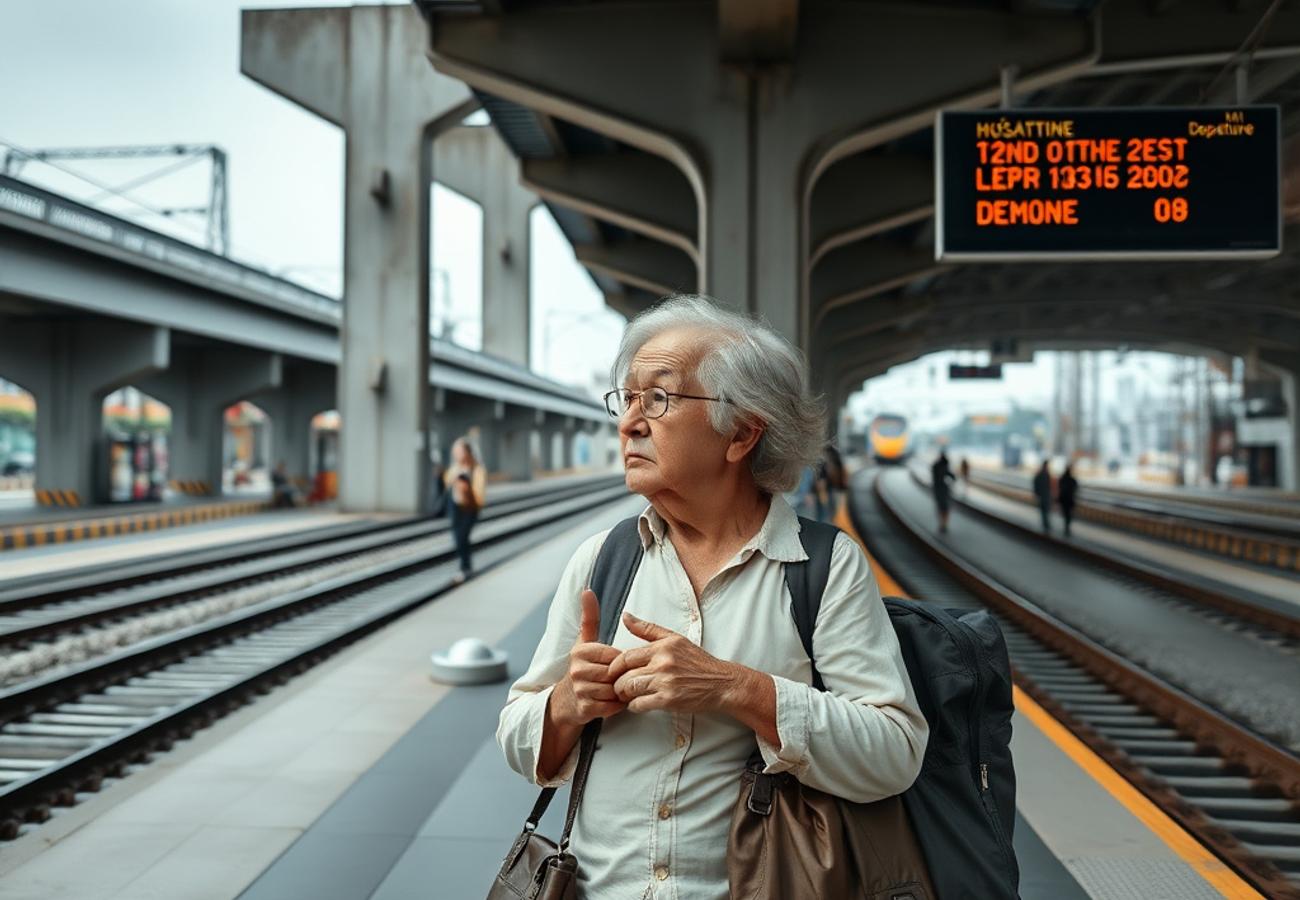
Image generated by AI
Thailand has officially rescheduled the launch of the first phase of its high-speed railway connecting Bangkok and Nakhon Ratchasima to 2030. The move follows years of construction bottlenecks and a catastrophic safety failure.
The revised timeline applies specifically to the 250.77-kilometre initial segment. Previous projections suggested an opening by 2028. Market data indicates that while some construction packages have progressed, overall implementation reached only 54.56% as of May 25, 2026.
The project is plagued by a combination of technical negotiations, contract delays, and the logistical complexity of installing elevated tracks and tunnels. Land acquisition remains a primary obstacle, preventing a uniform pace of development across the 15 separate contracts governing the project.
Project Technical Specifications and Progress
The first phase is a massive engineering undertaking with a total budget of 179,412.21 million baht. The infrastructure is split between 14 civil construction contracts and one comprehensive contract for rolling stock and railway systems.
Infrastructure Breakdown:
- Total Distance: 250.77 kilometres
- Elevated Railway: 188.68 kilometres
- Standard Track: 54.09 kilometres
- Tunnels: 8 kilometres
- Maximum Design Speed: 250 kilometres per hour
Planned Station Hubs:
- Krung Thep Aphiwat
- Don Mueang
- Ayutthaya
- Saraburi
- Pak Chong
- Nakhon Ratchasima
Critical Setbacks and Safety Concerns
Construction began in 2017, but the project has been hampered by financing disputes and management inefficiencies. However, the most severe blow to the project's momentum occurred on January 14, 2026.
A crane collapse in Nakhon Ratchasima province struck a passenger train, resulting in at least 31 deaths and 64 injuries. Industry observers note that this tragedy forced a systemic review of construction standards and site supervision, further slowing the pace of work to ensure passenger protection near active rail lines.
The Path to China: Phase 2 and Beyond
The current 2030 deadline is limited to the Bangkok–Nakhon Ratchasima corridor. The subsequent extension to Nong Khai—the gateway to the Mekong River and the Laos border—does not have a confirmed completion date.
Even upon the completion of Phase 2, a seamless "Bangkok-to-China" service remains a long-term goal rather than an immediate reality. The project must eventually integrate with the existing Laos–China railway, which connects Vientiane to Kunming at speeds of approximately 160 kilometres per hour. This integration will require reconciling different technical standards, operating speeds, and cross-border customs procedures.
High-Speed Rail Phase 1 Data Summary
| Metric | Detail |
|---|---|
| Budget | 179,412.21 Million Baht |
| Completion Status (May 25, 2026) | 54.56% |
| Total Distance | 250.77 km |
| Max Speed | 250 km/h |
| Total Contracts | 15 |
| Revised Opening Date | 2030 |
Why This Matters
This delay highlights the volatility of "mega-project" infrastructure in Southeast Asia. The gap between the 2028 target and the 2030 reality demonstrates that technical capability is often secondary to the legal and social complexities of land acquisition.
From a tourism perspective, the delay stalls the economic acceleration of secondary cities. Ayutthaya and Pak Chong (the gateway to Khao Yai) will not see the projected surge in high-velocity tourist arrivals for another four years. Furthermore, the 2026 crane disaster underscores a critical tension between aggressive construction timelines and safety protocols. The shift to 2030 suggests the Thai government is now prioritizing rigorous safety audits over political deadlines.
Industry Outlook
Expect a period of intensified regulatory scrutiny on all current Thai infrastructure contracts. The lack of a confirmed date for the Nong Khai extension suggests that Phase 2 may face similar, if not more severe, delays due to the diplomatic and technical coordination required with Laos and China. For travelers, the reliance on traditional rail and road networks between Bangkok and the northeast will persist well into the next decade.
The dream of a seamless rail link to Kunming remains a distant horizon.
Related Travel Guides
Disclaimer
This article is for informational and educational purposes only. It does not constitute legal, financial, or professional advice. While we strive to provide accurate and up-to-date information, travel policies, regulations, and conditions change rapidly. Always verify information with official sources before making travel decisions. Nomad Lawyer makes no representations about the accuracy, reliability, completeness, or suitability of the information provided. Readers should consult qualified professionals for advice specific to their circumstances. The views expressed in this article are those of the author and do not necessarily reflect the views of Nomad Lawyer.
Kunal K Choudhary
Co-Founder & Contributor
A passionate traveller and tech enthusiast. Kunal contributes to the vision and growth of Nomad Lawyer, bringing fresh perspectives and driving the community forward.
Learn more about our team →