
Thailand Pushes Clean Energy Reforms to Power Digital Infrastructure and Attract Global Technology Investment: New Travel Alert
Thailand accelerates its digital transformation by linking AI expansion with clean energy reforms, aiming to become Southeast Asia's leading data hub.

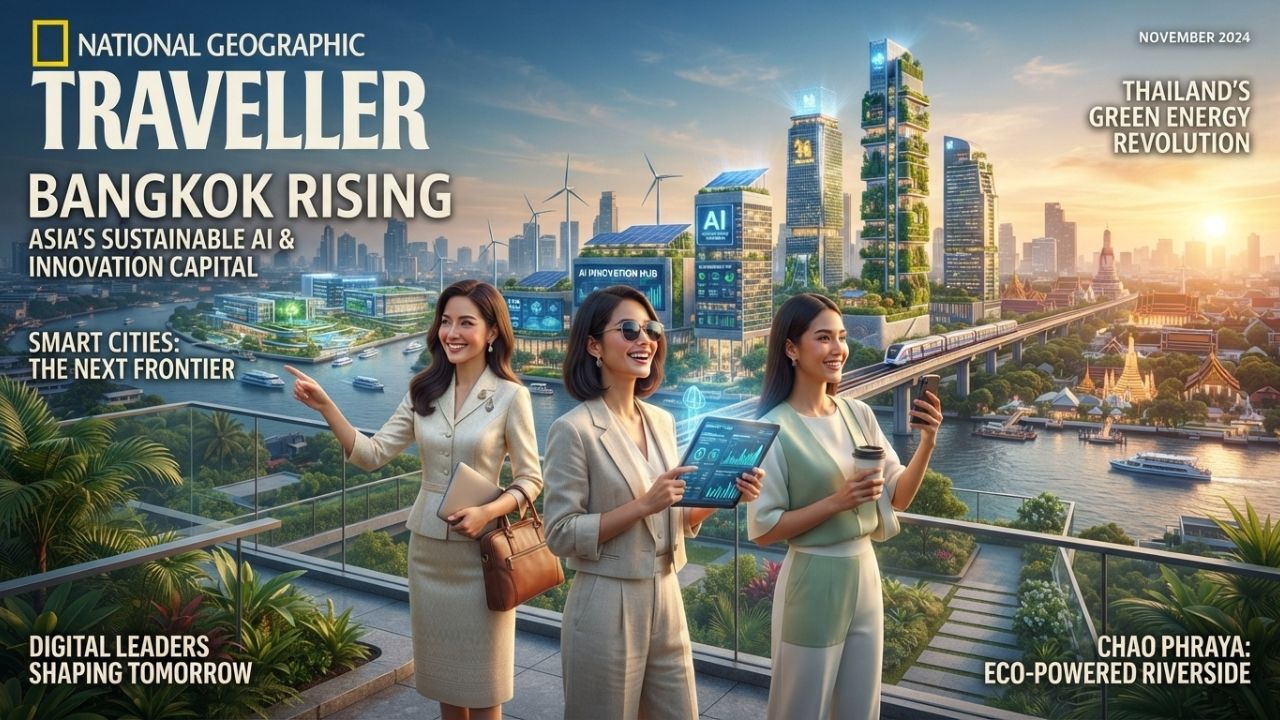
Image generated by AI
Published on July 24, 2026
As the demand for high-capacity digital infrastructure continues to rise across Southeast Asia, Thailand is positioning clean and reliable electricity as the cornerstone of its technological future. Speaking at the Huawei Thailand Digital & AI Summit 2026 in Bangkok, energy regulators outlined new policies to support the rapid growth of sustainable data centres. International businesses and technology investors looking to expand into the region must prepare for updated green tariffs, grid modernization reforms, and new clean energy sourcing options.
Quick Summary
- AI Energy Strategy: Thailand is linking its technological growth with environmental responsibility, prioritizing clean, reliable, and affordable electricity to support artificial intelligence.
- Massive Data Centre Demand: Projected electricity demand from next-generation data hubs is expected to approach 30,000 megawatts, requiring substantial grid expansion.
- Regulatory Modernization: The Energy Regulatory Commission is introducing Direct Power Purchase Agreements (Direct PPAs) and Utility Green Tariffs to streamline clean energy sourcing.
- Smart Grid Investments: The country is deploying Battery Energy Storage Systems (BESS) and digital monitoring to maintain stable power quality for sensitive technology hubs.
- Climate Commitments: These reforms support Thailand's national targets of a 47 percent carbon reduction by 2035 and complete carbon neutrality by 2050.
Context and Background: Sustainable Power for Digital Infrastructure
The rapid expansion of artificial intelligence and cloud computing has created an unprecedented demand for data processing facilities globally. However, these modern facilities require immense amounts of electricity, meaning that technological expansion cannot occur without robust, sustainable power grids. Thailand’s latest policy direction reflects this reality, recognizing that the nation's future digital competitiveness is directly linked to the availability of clean, green energy.
During the Huawei Thailand Digital & AI Summit 2026 in Bangkok, Energy Regulatory Commission (ERC) Secretary-General Dr. Poonpat Leesombatpaiboon emphasized that reliable power is the foundation of the digital economy. Just as previous industrial revolutions relied on steam engines and telephone networks, the AI era relies on uninterrupted energy. To attract global technology giants, the Ministry of Energy, Thailand is working to establish a stable, green grid that aligns with international corporate environmental standards.
Event/Incident Details: Thailand's Strategic Energy Reforms
At the heart of Thailand's energy strategy is a series of regulatory reforms designed to make clean energy procurement more flexible and attractive to foreign developers. The Energy Regulatory Commission of Thailand is expanding its traditional oversight role to actively encourage innovation and market competition. By allowing businesses to bypass traditional utility limitations, the government is creating a more open, market-driven energy landscape.
The primary regulatory tools and energy initiatives introduced to support technological growth include:
- Direct Power Purchase Agreements (Direct PPAs): Enabling large energy consumers to purchase electricity directly from private renewable producers through the national grid.
- Third-Party Grid Access: Improving electricity market flexibility by opening transmission infrastructure to private energy developers.
- Utility Green Tariff: Providing dedicated clean energy pricing structures for companies committed to using 100 percent renewable power.
- Thailand Power Map: A digital tool assisting investors in identifying geographic areas where grid infrastructure can support major digital projects.
To meet the projected demand of nearly 30,000 megawatts, Thailand plans to dramatically increase solar and wind generation. Over the long term, officials are also evaluating the potential of small modular nuclear reactors (SMRs) to provide continuous, emissions-free baseboard power.
Risk/Impact: Maintaining Grid Stability and Social Equity
Integrating high volumes of intermittent renewable energy like solar and wind while supplying continuous power to sensitive AI facilities introduces several operational and social challenges:
- Power Quality Fluctuations: High-capacity data hubs require extremely stable voltage with zero interruptions; sudden drops in solar or wind output can risk data loss.
- Transmission Congestion: Expanding generation capacity requires massive investments in transmission lines to prevent local grid bottlenecks.
- Consumer Cost Pressures: Ensuring that the high cost of upgrading the national grid for industrial users is not unfairly passed on to residential consumers.
- Balancing Climate Targets: Expanding generation capacity rapidly enough to meet technology demand without violating the national target of a 47 percent carbon reduction by 2035.
To address these risks, the ERC is designing fair infrastructure charges. The goal is to ensure that hospitals, schools, and standard households do not subsidize the clean energy requirements of multi-billion-dollar tech corporations.
What Authorities Are Saying: Balancing Innovation with Reliability
Speaking to summit attendees, Dr. Poonpat Leesombatpaiboon noted that the ERC is actively utilizing a regulatory sandbox to test new peer-to-peer energy trading models before rolling them out nationwide. This cautious but progressive approach is designed to foster innovation while safeguarding the stability of the national grid.
Representatives from Huawei Thailand and other digital infrastructure providers have welcomed these reforms. They highlight that access to direct clean energy contracts is a critical factor when selecting regional hubs, noting that regulatory transparency and green tariffs are just as important as geographical location when deciding where to build.
Practical Traveler Advice: Planning Tech and Business Expansions
For international business travelers, digital nomads, and technology consultants looking to establish operations in Thailand during this transition, experts suggest the following guidelines:
- Leverage the Thailand Power Map: Use official energy mapping tools to select business and manufacturing sites that have access to high-capacity grid infrastructure.
- Utilize Direct PPA Frameworks: Investigate the newly expanded Direct PPA options to secure long-term clean energy contracts for your facilities.
- Inquire About Green Tariffs: Work with local utilities to enroll in the Utility Green Tariff program to satisfy corporate sustainability audit requirements.
- Prepare for High-Quality Grids: Invest in advanced power backup systems for local offices, as the wider smart grid transition is still ongoing.
Broader Context: Competing for Regional Digital Infrastructure Projects
Historically, Thailand attracted manufacturing through low-cost electricity. However, hyperscale data centres prioritize clean energy and grid stability over fossil-fuel power. By modernizing its energy market, Thailand is positioning itself to compete with other ASEAN digital hubs. Earning investor confidence will depend on providing transparent regulations and direct access to solar and wind power, attracting the infrastructure projects that will shape regional growth.
Looking Ahead: The Path to Carbon Neutrality
Following the summit, the ERC will finalize rules for direct power purchases and grid access. Over the next decade, Thailand will focus on integrating Battery Energy Storage Systems (BESS) and grid-forming inverters to manage renewable energy volatility. These investments support the nation's target of carbon neutrality by 2050. As digital transformation accelerates, Thailand’s modernized grid will serve as the foundation for sustainable technological growth.
Conclusion: Emphasizing Preparedness and Vigilance
Thailand's commitment to powering its technological future with clean energy represents a major step forward for the region's digital economy. By introducing flexible green tariffs, Direct PPAs, and smart grid upgrades, the country is building a stable environment for international investment. For businesses looking to establish a presence, staying informed of evolving regulatory sandboxes and emphasizing preparedness and vigilance will be key to a successful regional expansion.
FAQ: Thailand's Clean Energy and Digital Future
What is Thailand's clean energy strategy for AI?
Thailand is modernizing its energy sector to provide clean, reliable, and affordable electricity to power the rapid expansion of data centres and digital infrastructure.
How much electricity will AI data centres require in Thailand?
Projected demand from next-generation data hubs and AI infrastructure is expected to approach 30,000 megawatts.
What are Direct Power Purchase Agreements (Direct PPAs)?
Direct PPAs allow commercial developers to buy clean electricity directly from private renewable producers, utilizing the national transmission network.
What are Thailand's national carbon reduction targets?
Thailand aims to achieve at least a 47 percent carbon reduction by 2035 and reach full carbon neutrality by 2050.
Related Travel Guides
The 10 Best Halloween Events in the United States, According to Reddit
Disclaimer
This article is for informational and educational purposes only. It does not constitute legal, financial, or professional advice. While we strive to provide accurate and up-to-date information, travel policies, regulations, and conditions change rapidly. Always verify information with official sources before making travel decisions. Nomad Lawyer makes no representations about the accuracy, reliability, completeness, or suitability of the information provided. Readers should consult qualified professionals for advice specific to their circumstances. The views expressed in this article are those of the author and do not necessarily reflect the views of Nomad Lawyer.
Kunal K Choudhary
Co-Founder & Contributor
A passionate traveller and tech enthusiast. Kunal contributes to the vision and growth of Nomad Lawyer, bringing fresh perspectives and driving the community forward.
Learn more about our team →