
Jersey Nestled Between Two Reservoirs: New Jersey's Hidden State Park Paradise
A serene New Jersey state park nestled between two reservoirs offers hikers, anglers, and paddlers an overlooked outdoor escape in 2026. Discover pristine trails, fishing access, and water sports adventures.

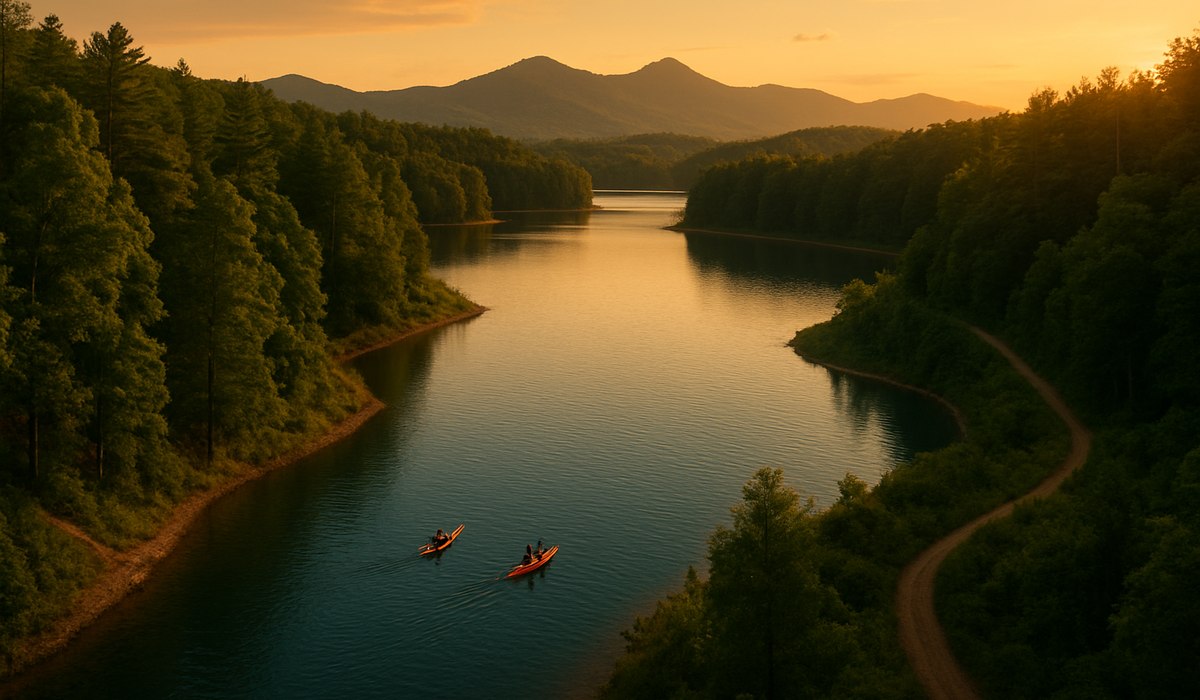
Image generated by AI
A Serene Escape Awaits in New Jersey's Overlooked State Park
New Jersey's hidden gem state park, nestled between two pristine reservoirs, remains one of the Mid-Atlantic's most underrated outdoor destinations. This serene preserve offers exceptional opportunities for hiking, fishing, kayaking, and wildlife observation—all within a short drive of major metropolitan areas. While countless travelers flock to crowded national parks, this tranquil state park delivers authentic nature experiences without the overwhelming crowds, making it an ideal retreat for outdoor enthusiasts seeking genuine solitude.
Why This Lesser-Known Park Deserves Your Visit
The state park's strategic location between two major reservoirs creates a unique ecosystem that attracts both recreational users and naturalists. Unlike heavily trafficked destinations, this serene sanctuary maintains pristine conditions and genuine wilderness character throughout its protected grounds. The park's accessibility from Northeast Corridor corridors makes it particularly valuable for travelers seeking quick nature breaks between transit connections.
The landscape showcases diverse habitats ranging from dense deciduous forests to open meadows, creating varied scenery for every visit. Wildlife populations thrive here, including deer, beavers, herons, and numerous songbird species. The park's management prioritizes conservation and sustainable recreation, ensuring long-term preservation of these natural systems. For more detailed park information, visit New Jersey Parks and Forests official resources.
Hiking Trails and Natural Scenery
The park features over 15 miles of well-maintained hiking trails ranging from easy walks suitable for families to challenging routes for experienced backcountry hikers. Trail surfaces vary from packed dirt to rocky terrain, offering diverse experiences across multiple ecosystems. The most popular routes provide sweeping views of the reservoirs and surrounding forested ridges.
Seasonal variations dramatically transform the park's appearance. Spring brings wildflower blooms and returning migratory birds. Summer offers lush green canopies and cooler temperatures along shaded paths. Autumn delivers spectacular foliage displays in vibrant reds and golds. Winter snow covers rarely-visited trails, creating pristine conditions for dedicated winter hikers. Each season presents distinct photographic opportunities and ecological highlights.
Trail markers clearly indicate distances and difficulty levels, allowing visitors to plan appropriate routes. Many loops can be customized to accommodate different fitness levels and time constraints. Several vistas offer perfect rest spots and panoramic photography locations overlooking the reservoir landscapes.
Fishing and Water Sports Opportunities
Both reservoirs within the park boundaries support healthy fish populations including largemouth bass, catfish, and panfish species. Fishing access points dot the shorelines, with some areas accessible by car and others requiring hiking to reach remote spots. A valid state fishing license is required; information available through New Jersey Fish and Wildlife Services.
Kayaking enthusiasts find excellent paddling conditions on both reservoir bodies. Calm morning waters provide ideal conditions for wildlife observation and photography. Designated launch areas offer convenient access for recreational paddlers of all skill levels. The jersey nestled between these water bodies creates unique paddling corridors perfect for multi-hour expeditions.
Anglers report consistent catches during spring and fall seasons, with summer providing decent evening fishing after cooler temperatures arrive. Local fishing forums recommend specific techniques and seasonal patterns that maximize success rates. The peaceful water environment allows concentration on the fishing experience away from motorized boat traffic common on other regional waterbodies.
Planning Your Trip to the Reservoir Park
The park operates year-round with varying amenities by season. Day-use facilities include parking areas, picnic tables, and restroom facilities at main access points. Several trailheads offer designated parking with interpretive signage explaining local ecology and history. Arriving early secures convenient parking and provides cooler temperatures for summer hiking.
Best visiting windows depend on personal preferences. Spring and autumn offer comfortable temperatures and moderate crowding. Summer brings peak greenery but higher temperatures and occasional afternoon thunderstorms. Winter provides solitude and clear forest views but requires proper cold-weather gear. Most visitors report positive experiences during shoulder seasons when weather remains pleasant and crowds stay minimal.
Essential planning items include detailed trail maps, water bottles, weather-appropriate clothing, and sun protection. Dogs are permitted on leash in designated areas; confirm restrictions before arrival. Cellular service remains spotty throughout the park, so download offline maps for safety. Arrive with full fuel tanks as nearby gas stations maintain limited hours.
How to Book the Best Fare
For travelers accessing this serene destination via rail, finding optimal travel fares requires flexibility and advance planning. Most visitors arrive through regional rail networks connecting to local transit or rental car services. Using Trainline, travelers can compare multi-leg journeys combining rail segments with ground transportation to park access points.
Booking rail tickets 2-3 weeks in advance typically yields better pricing than last-minute purchases. Weekend travel often costs more than weekday journeys, though park visitation tends to be lighter midweek. Consider booking return journeys with flexible dates to capture lower-priced off-peak services. Student, senior, and group discounts frequently apply to rail journeys; always confirm eligibility before purchasing.
Digital ticketing eliminates printed fare documents while allowing easy schedule modifications through most rail operator apps. Real-time price monitoring through travel booking platforms helps identify sudden fare drops. Building flexibility into travel dates unlocks significant savings compared to fixed-itinerary bookings.
Park Visit Planning Matrix
| Aspect | Details |
|---|---|
| Best Visiting Season | April-May and September-October for optimal conditions |
| Average Trail Distance | 2-8 miles depending on selected route difficulty |
| Estimated Hiking Duration | 1-4 hours per outing based on trail selection |
| Fishing License Required | Yes; available online through NJ Fish and Wildlife Services |
| Kayak Launch Fee | Generally free at designated public access areas |
| Parking Availability | Multiple lots with 50-150 spaces each; arrive early weekends |
| Restroom Facilities | Available at main access points; limited in remote areas |
| Pet Policy | Leashed dogs permitted on specific designated trails |
| Water Access Points | 6+ public access areas on both reservoir systems |
| Accessibility Features | Paved paths and accessible parking at primary facilities |
What This Means for Travelers
This serene state park nestled between two reservoirs represents a strategic addition to any regional travel itinerary. Here's how to maximize your visit:
-
Combine transit with recreation: Book rail tickets to nearby transit hubs, then arrange ground transportation directly to park access points for seamless multi-modal journeys.
-
Plan seasonal visits strategically: Target spring wildflower seasons or autumn foliage peaks for peak aesthetic experiences and wildlife observation opportunities.
-
Extend single-day excursions: The park's hiking variety and water access accommodate full-day adventures that justify longer travel times from distant origins.
-
Explore lesser-known trails first: Arrive early to access quieter routes before midday crowds, if any, concentrate on main trailhead areas.
-
Practice catch-and-release fishing: Sustainable angling practices ensure future generations enjoy excellent fishing conditions at these serene reservoirs.
-
Document your experiences: The unique landscape between two reservoirs provides exceptional photography opportunities for nature and landscape portfolios.
Frequently Asked Questions
What's the easiest trail for beginner hikers at this state park nestled between reservoirs?
The Shoreline Loop provides accessible terrain with reservoir views, requiring approximately 90 minutes and covering 2.5 miles. Paved sections accommodate varied fitness levels while maintaining scenic quality throughout the route.
Can you kayak on both reservoirs within the park boundaries?
Yes, both reservoirs
Disclaimer
This article is for informational and educational purposes only. It does not constitute legal, financial, or professional advice. While we strive to provide accurate and up-to-date information, travel policies, regulations, and conditions change rapidly. Always verify information with official sources before making travel decisions. Nomad Lawyer makes no representations about the accuracy, reliability, completeness, or suitability of the information provided. Readers should consult qualified professionals for advice specific to their circumstances. The views expressed in this article are those of the author and do not necessarily reflect the views of Nomad Lawyer.
Preeti Gunjan
Contributor & Community Manager
A passionate traveller and community builder. Preeti helps grow the Nomad Lawyer community, fostering engagement and bringing the reader experience to life.
Learn more about our team →