
Texas State Authorities Launch Multi-Agency Crackdown on Commercial Birth Tourism Operations in South Texas 2026
Texas officials are targeting commercial birth tourism intermediaries in McAllen, Mission, and Weslaco following the discovery of fixed-price maternity packages.

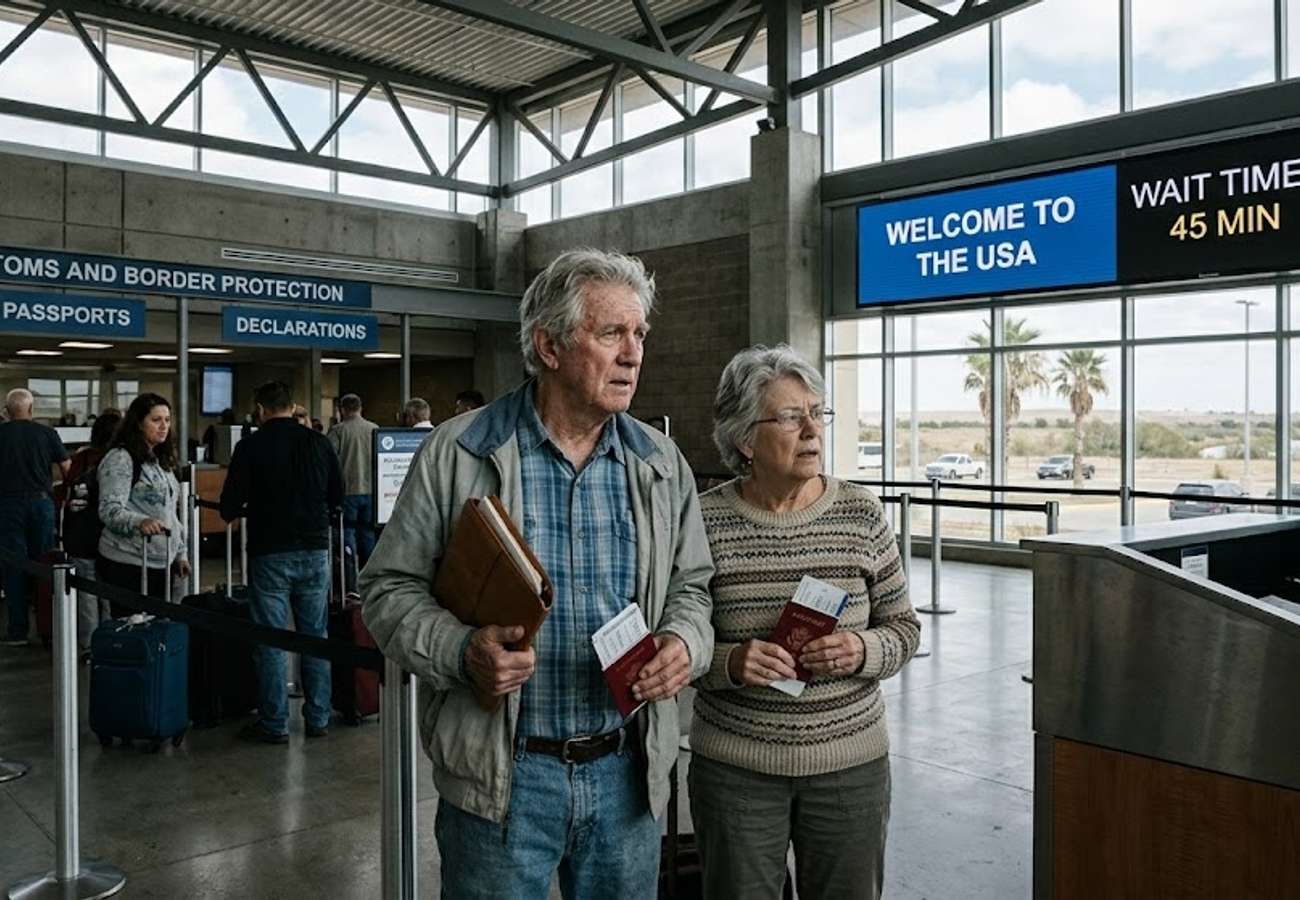
Image generated by AI
Texas authorities have initiated an unprecedented multi-agency enforcement campaign targeting commercial birth tourism operations in the southern border hubs of McAllen, Mission, and Weslaco. This regulatory shift introduces heightened scrutiny for international visitors entering the Lone Star State.
The administrative surge follows the discovery of Spanish-language marketing materials near international bridge crossings. These advertisements promoted fixed-price maternity packages at regional medical centers, with costs starting at $3,950 for natural delivery and $5,525 for surgical procedures. The promotional materials offered private rooms, 24-hour parental visits, and specialized post-natal care via an online landing portal.
In response, the Texas Governor issued executive directives to the Texas Health and Human Services Commission, state medical boards, and licensing departments. These bodies are now auditing healthcare facilities and third-party agencies suspected of marketing birth packages to foreign nationals. Legal authorities are currently reviewing these cases to determine if administrative, civil, or criminal statutes were breached by the care providers.
Legal Framework and Immigration Compliance
Under federal guidelines, entering the United States on a standard B1/B2 tourist visa for specialized medical treatment is lawful. However, misrepresenting the primary purpose of a visit during a consular interview or at a port of entry is a violation of federal immigration law.
State officials have clarified that the current enforcement actions target corporate intermediaries, healthcare providers, and housing facilities that profit from fraudulent entry schemes. The legal focus is on the organizers rather than the foreign mothers themselves.
Impact on International Transit and Entry
While leisure and business travel remain operational, visitors to the Rio Grande Valley and major hubs like Houston and San Antonio should expect changes in processing at ports of entry.
Customs and Border Protection (CBP) officers at international bridges and airports are now conducting more detailed interviews. Travelers may be asked to provide specific proof regarding their length of stay, the primary purpose of their visit, and confirmed return transportation.
Regulatory and Compliance Specifications
The following table outlines the current requirements for different categories of travelers entering Texas under the new scrutiny guidelines.
| Travel Category | Required Action / Best Practice | Official Reference |
|---|---|---|
| Leisure & Business | Provide confirmed return flight tickets, hotel reservations, and a detailed itinerary. | U.S. Customs and Border Protection |
| Elective Medical Travel | Secure explicit documentation from U.S. physicians and proof of pre-arranged payment. | U.S. Department of State |
| Immigration Status | Review updated visa policies and maintain full transparency during interviews. | U.S. Department of State |
| Healthcare Intake | Be prepared for residency status inquiries at hospital admission. | Texas Dept. of State Health Services |
Traveler Logistics Guide: Navigating South Texas Entry
For those planning travel to McAllen, Houston, or the Rio Grande Valley, the following logistics advice is recommended to avoid delays or secondary inspections:
1. Documentation Preparation Travelers should maintain a digital and physical folder containing:
- A printed copy of the return flight itinerary.
- Confirmed hotel or Airbnb booking confirmations.
- For medical tourists: A formal letter of invitation or appointment confirmation from a licensed U.S. medical provider.
2. Financial Verification Non-resident foreign nationals seeking non-emergency medical care should carry comprehensive proof of insurance or bank statements demonstrating the financial capacity to settle all medical expenses independently. This prevents the appearance of relying on fraudulent "package" schemes.
3. Port of Entry Conduct When crossing international bridges in the McAllen or Weslaco areas, be precise about your destination. If visiting for a mix of shopping and medical reasons, disclose both. Misstatements regarding pregnancy or medical intent can lead to immediate visa cancellation and potential long-term travel bans.
4. Hospital Intake Policies Under current state guidelines, Texas hospitals are required to inquire about a patient's residency status during the intake process. While patients may decline to answer, they will still receive emergency medical care.
Infrastructure and Regional Connectivity Impact
The crackdown has caused an immediate halt in the international marketing of specialized health services within the South Texas region. While the hospitality sector reports that leisure travel and cross-border shopping remain robust, the "medical tourism" niche is experiencing a sharp decline in visibility.
Immigration analysts note that while birth tourism accounts for less than 1% of annual U.S. births, this state-level enforcement alters the public perception of border security. For the broader tourism industry, the Rio Grande Valley remains open for ecotourism and business travel, provided that visitors adhere to the heightened documentation standards.
Maintain transparency and complete documentation to ensure seamless transit through Texas border checkpoints.
Related Travel Guides
Disclaimer
This article is for informational and educational purposes only. It does not constitute legal, financial, or professional advice. While we strive to provide accurate and up-to-date information, travel policies, regulations, and conditions change rapidly. Always verify information with official sources before making travel decisions. Nomad Lawyer makes no representations about the accuracy, reliability, completeness, or suitability of the information provided. Readers should consult qualified professionals for advice specific to their circumstances. The views expressed in this article are those of the author and do not necessarily reflect the views of Nomad Lawyer.
Preeti Gunjan
Contributor & Community Manager
A passionate traveller and community builder. Preeti helps grow the Nomad Lawyer community, fostering engagement and bringing the reader experience to life.
Learn more about our team →