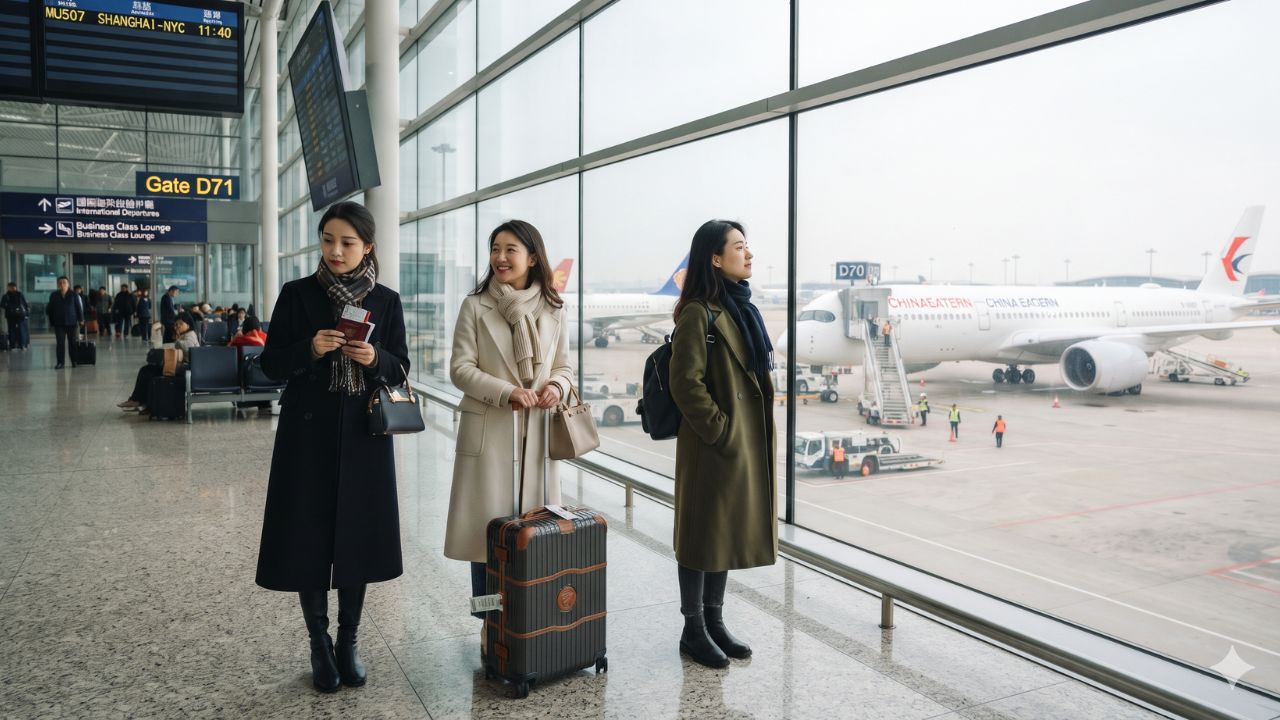
Tennessee Tourism Launches 'Real Seal' to Verify Authentic Destination Photography Against AI-Generated Images


Image generated by AI
The Tennessee Department of Tourist Development (TDTD), in partnership with global creative agency VML, has launched the Real Seal program. The initiative creates an official verification standard for travel photography, confirming that promotional imagery represents genuine physical locations captured by human photographers.
The campaign responds to rapid advances in generative artificial intelligence, which allow synthetic tools to create photorealistic destination images. Tennessee Tourism has pledged to exclude generative AI imagery from replacing human photography in all official state marketing campaigns.
Consumer Research Exposes Visual Vulnerability
The program's launch follows research conducted by Talker Research, which surveyed 2,000 American travelers regarding digital travel inspiration. The study revealed that only 5 percent of respondents could accurately distinguish between authentic destination photography and AI-generated imagery.
Despite this difficulty, visual content remains central to trip planning. Survey findings indicate that 70 percent of travelers rely heavily on photos and videos when selecting vacation spots, while 74 percent state they would refuse to book a trip without viewing destination imagery beforehand.
Metadata Tracking and Editing Policy
Under the Real Seal framework, certified photographs embed secure digital content credentials and geo-location metadata. This verification system tracks:
- Photographer Identity: Verifies the image was captured by a human photographer.
- Geographical Data: Records precise latitude and longitude coordinates.
- Timestamp Verification: Validates when and where the photograph was taken.
While traditional photographic enhancements (such as color balancing and exposure adjustments) remain permitted, Real Seal guidelines strictly prohibit adding, removing, or modifying image elements using AI generation.
Protecting Regional Tourism Authenticity
State officials emphasized that authentic photography is essential for protecting natural and cultural assets, including the Great Smoky Mountains, state parks, and historic music venues.
By establishing verifiable image standards, Tennessee Tourism aims to build visitor trust and prevent misleading visual expectations, setting a benchmark for destination marketing boards worldwide.
| Research & Program Attribute | Operational Figures & Policy Rules |
|---|---|
| Initiative Name | Real Seal Photo Certification Program |
| Managing Body & Partner | Tennessee Dept. of Tourist Development (TDTD) & VML |
| Survey Sample Size | 2,000 American travelers (conducted by Talker Research) |
| AI Recognition Accuracy | 5% of travelers correctly identified authentic vs. AI images |
| Visual Content Reliance | 70% of travelers select destinations based on photos/videos |
| Booking Prerequisite | 74% of travelers refuse to book without seeing destination photos |
| Metadata Requirements | Verified photographer name, timestamp, and latitude/longitude |
| Generative AI Policy | 100% prohibited from replacing authentic human photography |
Key Takeaways
- First State-Led AI Photo Verification: Tennessee introduces the Real Seal program to verify authentic travel photography using embedded digital credentials.
- Low Traveler AI Detection Rate: Survey data shows only 5% of travelers can reliably distinguish real photos from AI-generated travel visuals.
- Strict Image Rules: Traditional editing is permitted, but AI-based additions, removals, or element modifications are banned.
- Geographical Transparency: Certified images provide verifiable GPS coordinates covering destinations like the Great Smoky Mountains.
FAQ
What is the Tennessee Real Seal program?
The Real Seal is a photo authentication program launched by Tennessee Tourism that uses digital credentials and GPS metadata to certify that travel marketing images represent real locations captured by human photographers.
How many travelers can spot AI-generated travel photos?
According to a survey of 2,000 American travelers, only 5 percent were able to correctly identify authentic destination photos when compared with AI-generated alternatives.
Are edited photos allowed under the Real Seal standard?
Minor traditional edits like exposure and color adjustments are allowed, but using AI to alter, add, or delete elements within a photograph is strictly prohibited.
This article is for informational purposes. Flight routes, passenger regulations, visa rules, and transit advisories are subject to change by airlines and aviation authorities. Readers are advised to verify schedules and travel documentation with relevant carriers and border agencies before departure.
Related Stories
Kuwait Airways Connects Gulf Travelers Directly to Phuket and Tbilisi in 2026 Route Expansion
European Flight Security Alerts: Seven Aircraft Undergo Emergency Bomb Inspections Across Spain, Italy, and Poland