
Southwest Airlines Flight WN992 Las Vegas to Bozeman Diverts to Boise International Airport 2026
Southwest Airlines flight WN992 from Las Vegas to Bozeman was forced to divert to Boise International Airport on 23 July 2026 due to operational safety protocols.

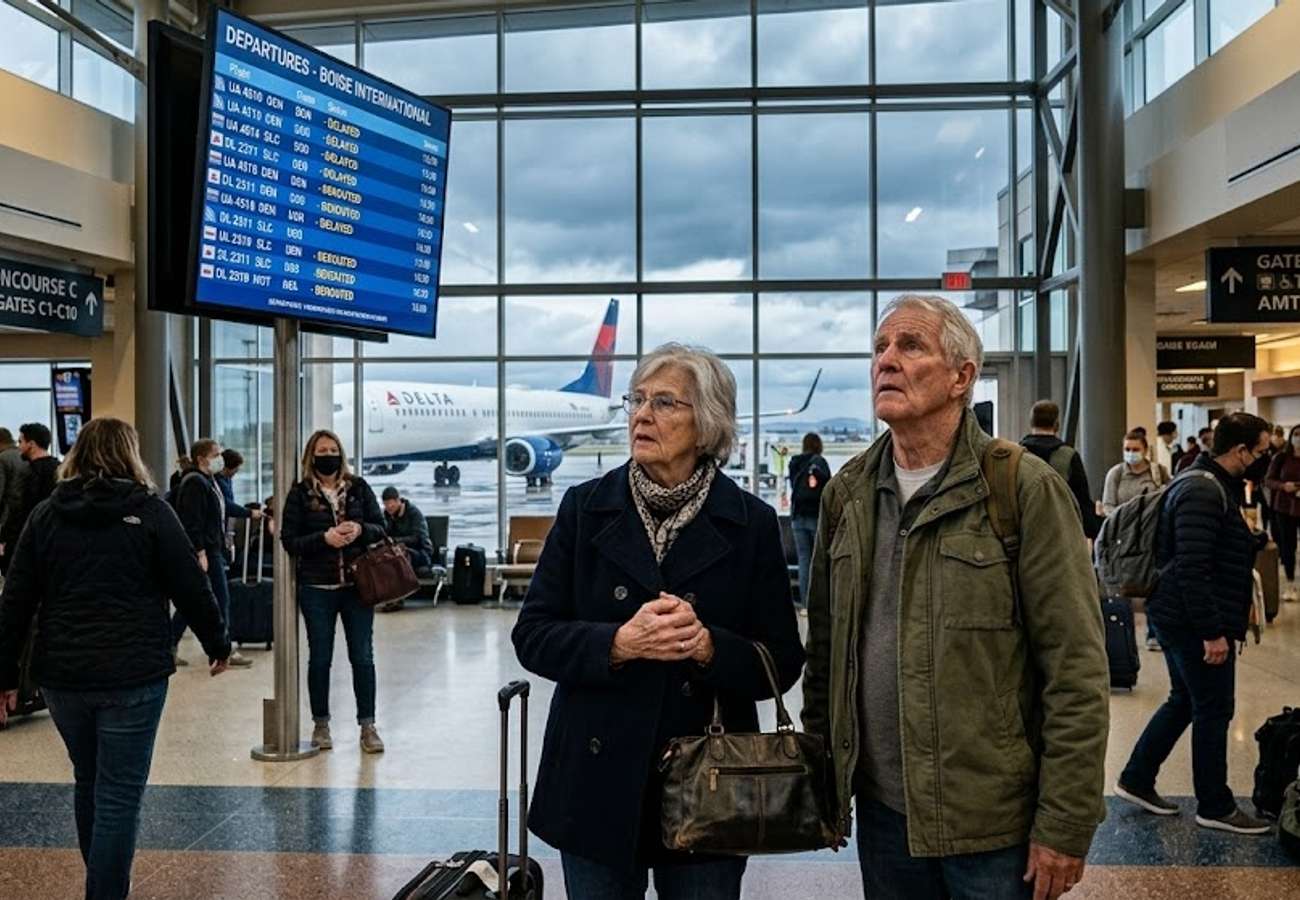
Image generated by AI
Headline Options:
- Factual/News: Southwest Airlines Flight WN992 from Las Vegas to Bozeman Diverts to Boise International Airport Due to Operational Safety
- Curiosity-Gap (Discover): Why This Southwest Flight to Bozeman Suddenly Changed Course: The Safety Logic Behind the Boise Diversion
- Problem-Solving (Search): What to Do When Your Flight Diverts: Lessons from Southwest Flight WN992’s Diversion to Boise
Flight WN992 was rerouted to Boise International Airport on 23 July, prioritizing passenger safety over arrival schedules due to unpredictable mountain weather and operational constraints.
On 23 July 2026, Southwest Airlines flight WN992, operating from Las Vegas to Bozeman, was diverted to Boise International Airport. The decision was triggered by changing operational circumstances mid-flight, necessitating a course change to the nearest suitable runway.
The diversion was managed through a coordinated effort between the flight crew and air traffic controllers, who cleared the Boeing aircraft for an unscheduled descent into Idaho’s primary aviation hub. Ground teams at Boise International provided emergency landing assistance and terminal support to manage the unexpected influx of passengers.
Flight Diversion Specifications
| Parameter | Detail |
|---|---|
| Flight Number | WN992 |
| Operator | Southwest Airlines |
| Departure City | Las Vegas, NV |
| Intended Destination | Bozeman, MT |
| Diversion Airport | Boise International Airport (BOI), ID |
| Date of Occurrence | 23 July 2026 |
| Aircraft Type | Boeing Narrow-body |
| Primary Cause | Operational Safety/Atmospheric Hazards |
The Mechanics of Mid-Flight Diversions
Diversions occur when landing at the original destination poses an unacceptable risk. In the case of flight WN992, the decision typically stems from three primary triggers:
- Atmospheric Volatility: Mountain destinations like Bozeman are prone to sudden wind shear, mountain wave turbulence, and low cloud ceilings that obstruct visual approaches.
- Fuel Reserve Mandates: Federal aviation regulations require aircraft to maintain specific reserve fuel levels. If holding patterns at the destination extend too long, pilots must land at a designated alternate to avoid reaching critical fuel thresholds.
- Technical Alerts: Unexpected mechanical cautions on the flight deck can mandate an immediate landing at the nearest facility equipped to handle the aircraft model.
Regional hubs such as Boise are selected as alternates because they offer longer runways and more sophisticated precision instrument landing systems (ILS) compared to smaller, high-altitude mountain strips.
Traveler Logistics Guide: Navigating Unscheduled Landings
From a ground-level perspective, the best way to navigate a diversion is to remain in constant communication with the airline's digital portals rather than relying solely on gate agents, who are often overwhelmed during mass diversions.
Immediate Steps for Passengers:
- Digital Tracking: Use the airline app to monitor the "Next Leg" status. During the WN992 event, passengers were provided with revised itinerary options and regular cabin updates.
- Documentation: If a diversion leads to an overnight stay, ensure you receive physical or digital copies of hotel vouchers and meal stipends provided by the carrier.
- Customs and Transit: For domestic diversions, transit is straightforward. However, if you are connecting to an international flight, check if your diversion airport has the necessary facilities to maintain your transit visa status or if you need to re-clear security.
Optimal Layover Strategy: When booking flights into high-altitude or mountain regions (like Bozeman or Aspen), always allow a 4-6 hour buffer for connecting flights. Weather-related diversions are common in these corridors, and a tight connection increases the risk of being stranded at an alternate airport.
Infrastructure and Regional Connectivity Impact
The reliance on Boise International Airport as a primary alternate for Montana-bound traffic underscores the critical role of regional hubs in the Western US aviation network. The ability of Boise to absorb diverted traffic without cascading delays across the system is a testament to its runway capacity and air traffic control efficiency.
For tourism, these events highlight the volatility of "last-mile" aviation in mountainous terrain. As air traffic increases in 2026, the pressure on these alternate hubs will grow, potentially leading to more frequent ground delays for passengers during peak summer storm seasons.
Safety protocols in modern aviation are designed to ensure that a change in destination is a controlled operational decision rather than an emergency.
Related Travel Guides
Disclaimer
This article is for informational and educational purposes only. It does not constitute legal, financial, or professional advice. While we strive to provide accurate and up-to-date information, travel policies, regulations, and conditions change rapidly. Always verify information with official sources before making travel decisions. Nomad Lawyer makes no representations about the accuracy, reliability, completeness, or suitability of the information provided. Readers should consult qualified professionals for advice specific to their circumstances. The views expressed in this article are those of the author and do not necessarily reflect the views of Nomad Lawyer.

Raushan Kumar
Founder & Lead Developer
Full-stack developer with 11+ years of experience and a passionate traveller. Raushan built Nomad Lawyer from the ground up with a vision to create the best travel and law experience on the web.
Learn more about our team →