
Tampere Expands Tramway Network by 13.6km to Pirkkala and Linnainmaa in 2026
Tampere enhances its sustainable tourism infrastructure with a 13.6km tramway expansion connecting downtown to Pirkkala and Linnainmaa, improving access to lakeside districts and sauna culture.

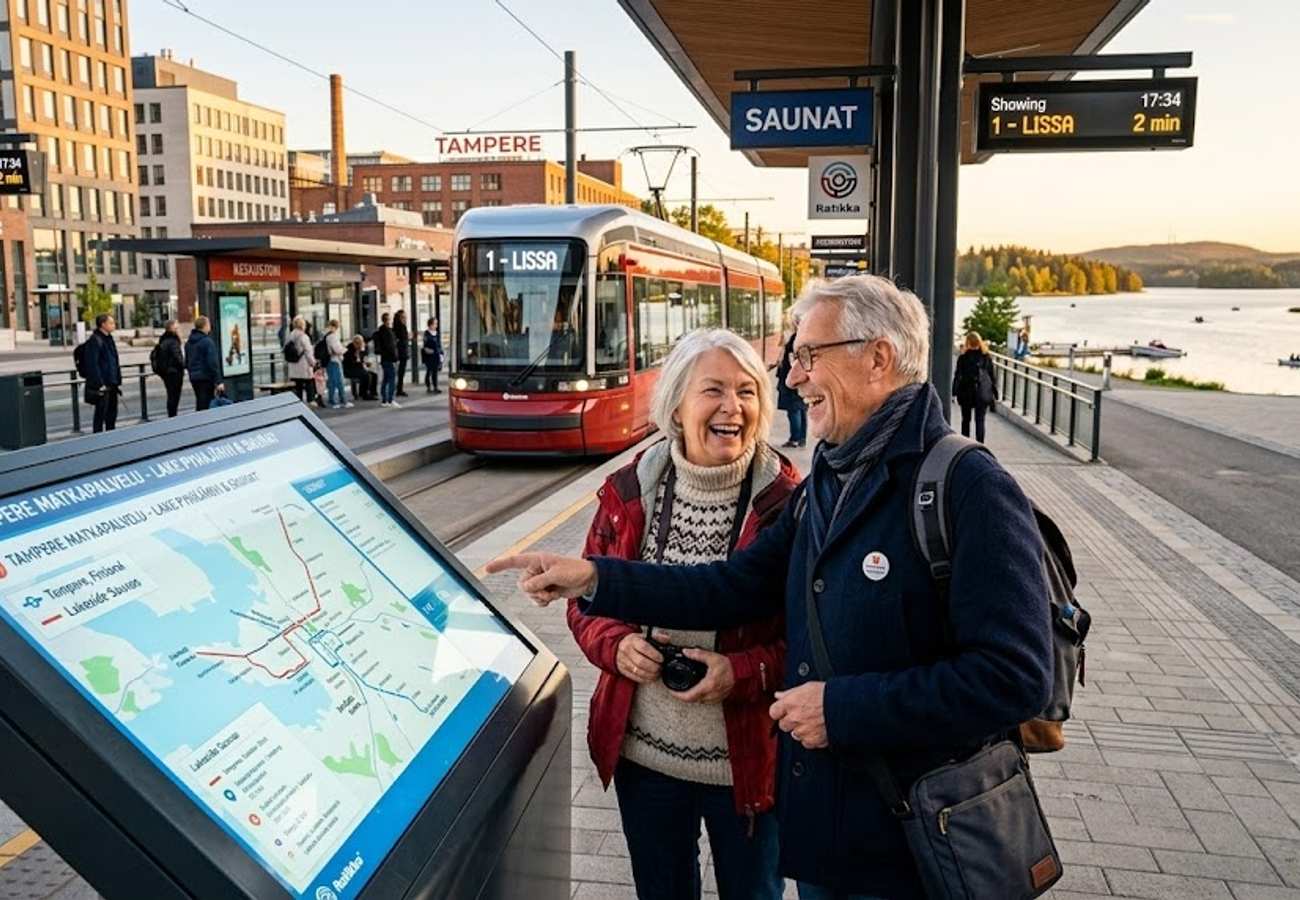
Image generated by AI
Tampere is scaling its sustainable transit infrastructure by adding 13.6 kilometres of new track. This expansion directly links the city center to the Pirkkala and Linnainmaa districts, removing the need for rental cars when accessing Finland's premier sauna and lakeside destinations.
The city of Tampere, situated between Lake Näsijärvi and Lake Pyhäjärvi, is evolving its urban mobility to better serve both residents and international visitors. Following the successful operation of its primary tram line, the city has initiated Phase 1 of the Pirkkala–Linnainmaa expansion.
This strategic growth focuses on integrating residential hubs, commercial zones, and natural landmarks into a single, cohesive transit web. By prioritizing electric rail over private vehicle use, Tampere is positioning itself as a leader in the Nordic shift toward carbon-neutral tourism.
Strategic Connectivity for the "Sauna Capital"
Tampere’s identity is inextricably linked to its status as the Sauna Capital of the World. While the city center offers high-density attractions, many authentic sauna experiences and wellness facilities are located in outlying neighborhoods.
The 13.6-kilometre extension solves a critical "last-mile" problem for tourists. By connecting downtown Tampere with Pirkkala in the southwest and Linnainmaa in the northeast, the city allows travelers to move between historic industrial sites and traditional lakeside saunas without the friction of navigating unfamiliar roads or relying on expensive taxis.
Enhancing Access to Lakeside and Cultural Hubs
The expansion transforms how visitors interact with the city's geography. The proximity of two major lakes defines Tampere, but accessing the quieter waterfronts of Pirkkala and the residential parks of Linnainmaa has historically required a car.
With the new tram links, itineraries can now seamlessly blend:
- Urban Culture: Visits to the Vapriikki Museum Centre and the Finlayson industrial area.
- Nature Escapes: Direct access to Lake Pyhäjärvi waterfronts and regional nature trails.
- Modern Leisure: Efficient trips to the Nokia Arena and Pyynikki Observation Tower.
This mobility shift supports a "balanced visitor economy." By making the outskirts more accessible, the city encourages tourists to spend time and money in local cafés, boutiques, and cultural venues outside the immediate city center.
Infrastructure and Regional Logistics
The expansion is not merely a tourist convenience but a core component of the city's long-term transport strategy. The network now bridges the gap between the central railway station and the growing communities of the northeast and southwest.
For those arriving via air, the proximity of Tampere–Pirkkala Airport (TMP) makes the expansion particularly relevant, as it streamlines the transition from the airport region into the heart of the city's cultural districts.
Regional Connectivity Data
| Feature | Tampere (City Center) | Pirkkala | Linnainmaa |
|---|---|---|---|
| Primary Transit Hub | Tampere Railway Station | Tampere–Pirkkala Airport (TMP) | Tampere Railway Station (via Tram) |
| Key Attractions | Vapriikki, Finlayson, Nokia Arena | Lake Pyhäjärvi, Nature Trails | Shopping Centers, Residential Parks |
| Currency | Euro (EUR) | Euro (EUR) | Euro (EUR) |
| Airport Proximity | ~17 km to TMP | Immediate access to TMP | Accessible via TMP |
Project Specifications and Timeline
The rollout of the Pirkkala–Linnainmaa expansion follows a phased approach to ensure minimal disruption to existing urban flow.
- Project Name: Tampere Tramway Pirkkala–Linnainmaa Expansion (Phase 1).
- Total Extension Length: 13.6 kilometres.
- Route Scope: Bidirectional connectivity from Downtown Tampere to Pirkkala (Southwest) and Linnainmaa (Northeast).
- Primary Objective: Transitioning from private car dependency to sustainable, electric public mobility.
Key Takeaways for Travelers
- Car-Free Exploration: The 13.6km expansion makes it feasible to visit Pirkkala and Linnainmaa without a rental vehicle.
- Sustainable Choice: The use of electric trams aligns with the growing demand for eco-conscious travel in Europe.
- Expanded Reach: Visitors can now easily combine urban shopping and museums with authentic Finnish sauna and lakeside experiences.
- Economic Integration: The tramway brings more foot traffic to local businesses in residential and commercial districts outside the center.
Frequently Asked Questions
What exactly is the Pirkkala–Linnainmaa expansion? It is the first phase of a transit project adding 13.6 kilometres of tram tracks to connect downtown Tampere with the southwestern district of Pirkkala and the northeastern area of Linnainmaa.
How does this benefit international tourists? It removes the barrier of needing a car to see the city's lakes and saunas. Travelers can use a single, modern transport system to reach diverse attractions across the city.
Why is Tampere focusing on trams instead of buses? Trams offer a higher capacity, a more permanent sense of infrastructure that encourages business growth along the route, and a zero-emission profile that protects the surrounding lakeside environment.
Tampere is proving that urban growth and environmental preservation can coexist through smart, rail-based mobility.
Related Travel Guides
Disclaimer
This article is for informational and educational purposes only. It does not constitute legal, financial, or professional advice. While we strive to provide accurate and up-to-date information, travel policies, regulations, and conditions change rapidly. Always verify information with official sources before making travel decisions. Nomad Lawyer makes no representations about the accuracy, reliability, completeness, or suitability of the information provided. Readers should consult qualified professionals for advice specific to their circumstances. The views expressed in this article are those of the author and do not necessarily reflect the views of Nomad Lawyer.
Preeti Gunjan
Contributor & Community Manager
A passionate traveller and community builder. Preeti helps grow the Nomad Lawyer community, fostering engagement and bringing the reader experience to life.
Learn more about our team →