
Breaking Airline News: Taiwan Taoyuan Airport Suspends Critical Skytrain Service, Sparking Fears of Terminal Travel Chaos
Breaking airline news: Amidst massive Terminal 3 construction, Taiwan Taoyuan International Airport officially suspends its iconic landside Skytrain on July 1, 2026, threatening severe inter-terminal airport disruptions and extreme travel chaos.

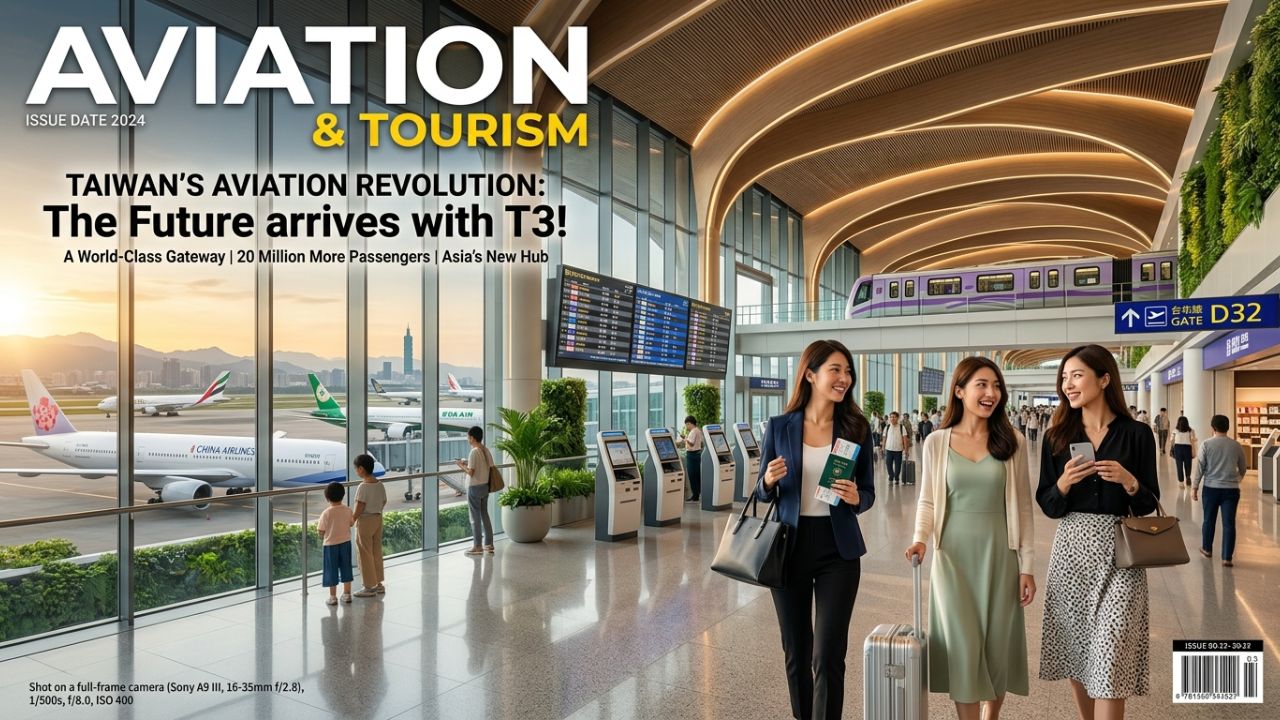
Image representing the intense infrastructural shock at Taiwan Taoyuan International Airport as the abrupt suspension of the iconic landside Skytrain forces millions of passengers to aggressively navigate new transit corridors to avoid extreme travel chaos.
Breaking Airline News: Taiwan Taoyuan Airport Suspends Critical Skytrain Service, Sparking Fears of Terminal Travel Chaos
As paralyzing terminal bottlenecks, severe airspace congestion, and catastrophic operational fragility violently transform global transit into a grueling endurance test, a massive infrastructural shock has just hit one of East Asia's most critical aviation hubs. In a harrowing era where sudden flight cancellations and extreme airport disruptions routinely subject delayed passengers to terrifying captivity within congested legacy hubs, Taiwan Taoyuan International Airport is executing a high-stakes, irreversible operational overhaul. Driven by the massive construction requirements of the highly anticipated Terminal 3 megaproject, airport authorities have officially announced the permanent suspension of the iconic landside Skytrain service connecting Terminal 1 and Terminal 2, effective July 1, 2026. After operating seamlessly since 2003, the sudden removal of this critical passenger artery threatens to instantly unleash severe inter-terminal gridlock, forcing millions of travelers to aggressively adapt to new transit protocols or face the devastating reality of missed flights and extreme travel chaos.
In a brutal demonstration of how massive airport modernization inevitably triggers terrifying short-term logistical nightmares, this operational shutdown represents far more than a simple schedule adjustment. For over two decades, the automated landside Skytrain has been the absolute backbone of passenger movement outside the security perimeter, providing a free, high-speed extraction corridor between Taoyuan’s two primary terminals. Its abrupt removal means that unprepared tourists, heavily laden families, and rushing business executives will be violently thrust into alternative transit networks. By forcing all inter-terminal landside traffic onto the Taoyuan Airport MRT and 24-hour shuttle buses, authorities are executing a massive gamble. This strategic infrastructural shift ensures that while the massive Terminal 3 expansion proceeds, the immediate passenger experience will require intense vigilance to avoid the terrifying reality of stressful terminal transfers and potential itinerary collapse.
Expanded Overview: Weaponizing the Terminal Transition
The terrifying crisis of overwhelming passenger stress currently testing regional airports brutally exposes the severe limitations of executing massive construction projects while maintaining peak operational flow. Recognizing this absolute vulnerability, Taoyuan Airport executives are aggressively leveraging alternative mass transit to actively manipulate the flow of passengers and maintain absolute transit harmony between Terminal 1 and Terminal 2 during this highly volatile transition period.
Section-Wise Breakdown: Surviving the Infrastructural Shock
To fully comprehend the massive logistical challenges of this operational shift, corporate travel planners and international tourists must rigorously review exactly how this Skytrain suspension will impact their defense against travel chaos.
The July 1 Shutdown: Severing the Inter-Terminal Artery To execute the comprehensive integration of the new Terminal 3, existing landside infrastructure must be violently overhauled. Consequently, the landside Skytrain, which has reliably shuttled millions of passengers since 2003, will permanently cease operations on July 1, 2026. This sudden infrastructural amputation means that passengers arriving at the wrong terminal or requiring landside connections can no longer rely on the automated, high-frequency shuttle. Failure to comprehend this change guarantees terrifying terminal bottlenecks and highly stressful sprints to the check-in counters.
Surviving the Gridlock: MRT and Shuttle Bus Mandates To violently crush the threat of total terminal paralysis, airport authorities are immediately forcing all landside inter-terminal transfers onto two primary alternatives. First, passengers must utilize the Taoyuan Airport MRT, which links both Terminal 1 and Terminal 2 via underground stations, while also providing a high-speed extraction route directly into Taipei. Second, for travelers navigating outside of MRT operating hours or managing excessive luggage, a fleet of 24-hour shuttle buses will operate continuously. While these systems are designed to absorb the massive displaced Skytrain traffic, peak travel hours guarantee intense crowding, making early arrival absolutely mandatory to survive potential airport disruptions.
The Airside Sanctuary: Security Zone Operations Unaffected Crucially, while the landside transit network faces massive upheaval, the airside zone remains a heavily fortified sanctuary. Automated people movers located past the security checkpoints remain fully operational. This critical distinction ensures that ticketed international transit passengers transferring between flights within the secure zone will not suffer horrifying delays. By maintaining uninterrupted airside operations, Taoyuan Airport is aggressively shielding its highly lucrative international transfer market from the localized landside travel chaos.
The Terminal 3 Megaproject: A Legacy of Expansion This brutal landside disruption is the direct result of one of the largest infrastructure undertakings in Taiwan’s aviation history. The Terminal 3 expansion is designed to inject tens of millions of additional passenger capacity annually. The project is executing phased openings through 2027, with phase one—the highly advanced north boarding concourse—having already commenced operations in late 2025. Once the main terminal and south concourse are fully integrated, Taoyuan will emerge as an invincible East Asian mega-hub, but reaching that goal requires navigating the current logistical minefield.
Taoyuan Airport Strategic Transit Disruption Matrix
To guarantee that corporate travel managers and industry analysts can aggressively track the specific metrics defining this massive operational shift, the following matrix details the exact, verified transit transition data for Taiwan Taoyuan International Airport.
| Strategic Transit Metric | Verified Operational Directive |
|---|---|
| Suspended Service | Landside Skytrain (Terminal 1 ↔ Terminal 2) |
| Effective Suspension Date | July 1, 2026 |
| Historical Operational Lifespan | Active since 2003 |
| Primary Transit Alternative 1 | Taoyuan Airport MRT (Underground T1 & T2 connection) |
| Primary Transit Alternative 2 | 24-Hour Automated Shuttle Buses |
| Airside Transit Status | Secure-zone Automated People Movers REMAIN FULLY OPERATIONAL |
| Root Cause of Disruption | Massive Terminal 3 Construction and Integration |
| Terminal 3 Operational Timeline | Phased openings through 2027 (North Concourse opened late 2025) |
Passenger Impact: Escaping the Terminal Transfer Nightmare
For the thousands of international tourists and regional business executives attempting to confidently navigate Taoyuan Airport, this massive infrastructural shift represents a highly critical threat. Travelers suffering from the horrifying prospect of sudden flight cancellations due to missed check-in windows are immediately at risk if they rely on outdated transit information.
Instead of battling intense physical fatigue while searching for a discontinued Skytrain, passengers must aggressively utilize electronic ticketing systems and clear terminal signage to rapidly locate the MRT stations or shuttle bus depots. Airport authorities strongly advise passengers to execute extreme itinerary management: arrive significantly earlier than usual, meticulously verify departure terminal locations before arriving at the airport, and anticipate slightly longer transfer times to completely bypass the stress of the crowded landside terminal floor.
Industry Analysis: The Cost of Ultimate Modernization
From a strategic aviation perspective, the suspension of the Taoyuan Skytrain cannot be understood without examining the broader push for extreme hub modernization. Industry experts note that as flight cancellations and airport disruptions become the terrifying new normal at prime legacy hubs, executing massive capacity upgrades like Terminal 3 is the absolute last line of defense for international gateways.
By aggressively shutting down outdated infrastructure to make way for a mega-terminal, Taoyuan Airport has accepted the reality of short-term logistical pain in exchange for long-term operational dominance. This massive operational move proves that airports willing to endure highly publicized transit disruptions to modernize their core infrastructure are best positioned to eventually capture high-yield traffic while completely neutralizing the psychological threat of systemic, capacity-related travel chaos.
Conclusion: A New Era of High-Capacity Transit
As the extremely critical East Asian transit network continues to face terrifying strain from unprecedented passenger demand, the aggressive overhaul at Taiwan Taoyuan International Airport is an absolute turning point. It signals a massive determination to completely redefine passenger flow by building a massive, integrated Terminal 3 complex. For travelers exhausted by extreme travel chaos, sudden cancellations, and unpredictable airport disruptions, this strategic construction period demands intense vigilance. However, the temporary suspension of the Skytrain is the necessary crucible through which Taoyuan Airport will forge an ultimate, world-class operational sanctuary, proving that the future of resilient commercial aviation relies entirely on securing uncompromised infrastructural superiority.
Key Takeaways
- Massive Transit Disruption: Taiwan Taoyuan International Airport permanently suspends its landside Skytrain service between Terminal 1 and Terminal 2.
- Active Suspension Date: The highly critical shutdown takes effect on July 1, 2026, after 23 years of operation (since 2003).
- Mandatory Transit Alternatives: All landside inter-terminal traffic must aggressively transition to the Taoyuan Airport MRT or 24-hour shuttle buses.
- Airside Operations Protected: Automated people movers inside the secure airside zone remain fully operational, shielding international connecting passengers from travel chaos.
- The Terminal 3 Megaproject: The disruption is driven by the massive Terminal 3 expansion, which features phased openings through 2027 (including the late 2025 north concourse launch).
Related Travel Guides
Disclaimer
This article is for informational and educational purposes only. It does not constitute legal, financial, or professional advice. While we strive to provide accurate and up-to-date information, travel policies, regulations, and conditions change rapidly. Always verify information with official sources before making travel decisions. Nomad Lawyer makes no representations about the accuracy, reliability, completeness, or suitability of the information provided. Readers should consult qualified professionals for advice specific to their circumstances. The views expressed in this article are those of the author and do not necessarily reflect the views of Nomad Lawyer.
Kunal K Choudhary
Co-Founder & Contributor
A passionate traveller and tech enthusiast. Kunal contributes to the vision and growth of Nomad Lawyer, bringing fresh perspectives and driving the community forward.
Learn more about our team →