
Tag : latvia
Tag : latvia

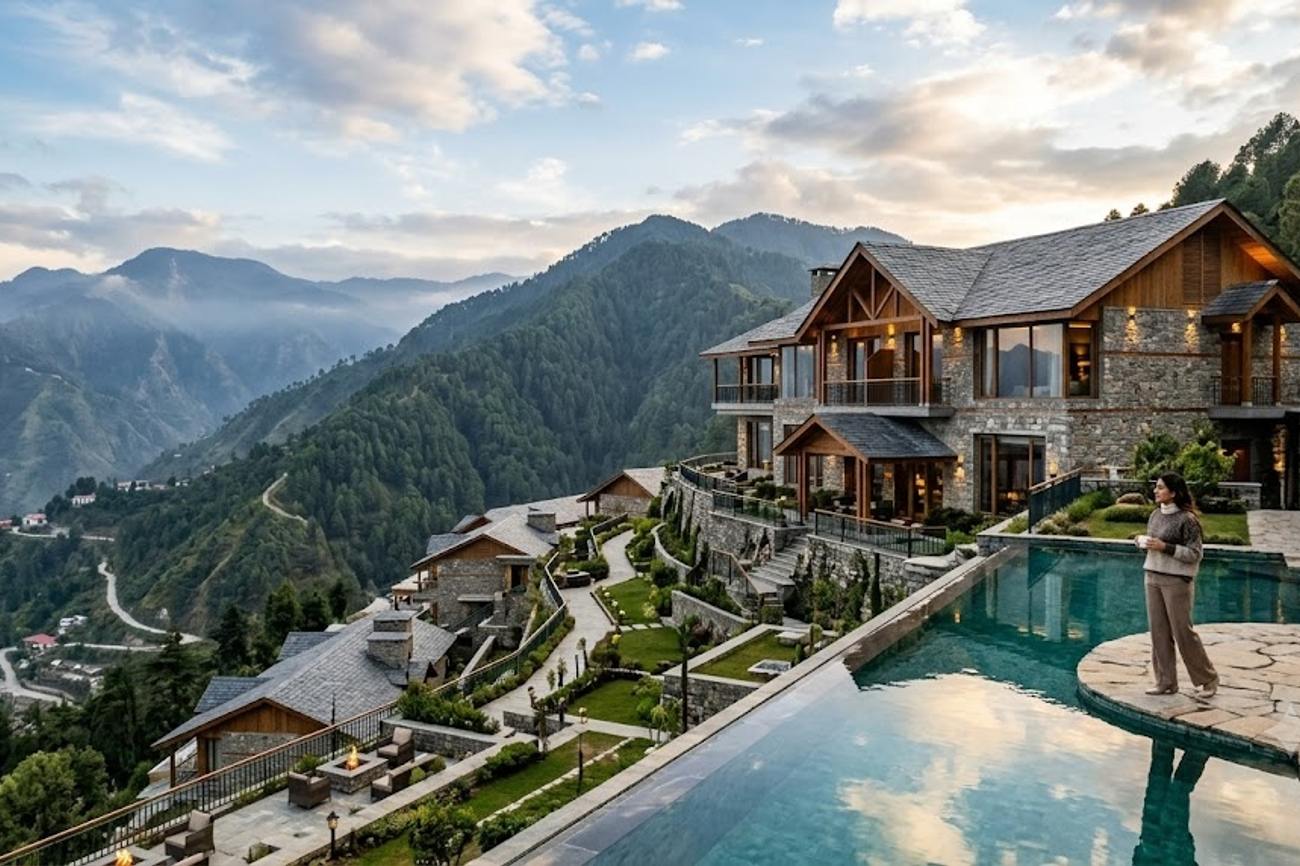
Image generated by AI
title: Debunking the Myths of the Baltic Coast: Navigating Riga and Jūrmala date: 2026-09-16 category: Destination Feature tags: [Riga 2026, Jūrmala Coastal Travel, Latvia Visitor Fees, Baltic State Tourism]
While social media feeds often paint a picture of restrictive entry permits and surprise levies, the reality of visiting Latvia is far more accessible than viral threads suggest. Many travelers arriving in the Baltics recently have been misled by anecdotal reports of exorbitant "entry charges" for the coast or secret taxes in the capital, but official government data confirms that these claims are largely fabrications designed for engagement rather than accuracy.
The Truth About Riga’s Visitor Fees
There has been a surge of misinformation regarding the cost of entering Riga, specifically focusing on a supposed "visitor fee" that some online forums claim is mandatory for all foreign tourists. To be clear: there is no blanket entry tax for individuals simply visiting the city. The confusion often stems from a misunderstanding of local municipal services or specific event-based ticketing, but for the average nomad or traveler, the city remains open and accessible.
When you walk through the Old Town, you are navigating a space that is one of the most concentrated collections of Art Nouveau architecture in the world. The city is currently focusing on enhancing the pedestrian experience rather than erecting financial barriers. If you are planning a trip, the most reliable way to track actual legislative changes regarding tourism is through the Latvia Travel official portal, which provides real-time updates on regulations.
The current trend in Riga is a shift toward "slow tourism." Instead of rushing through the primary landmarks, locals are encouraging visitors to spend time in the Quiet Centre, where the architecture speaks to a period of immense wealth and artistic rebellion. The city is not looking to monetize the act of entry, but rather to encourage longer stays that support small-scale artisans and independent cafes.
Navigating the Jūrmala Permit Myths
Perhaps the most persistent myth circulating in 2026 involves the coastal resort town of Jūrmala. Viral posts have suggested that visitors now require a special "entry permit" or a paid license to access the beaches and forest trails. This is entirely false. Jūrmala remains a public destination where the white sands and pine forests are available to everyone without a permit.
The misconception likely arises from the town's strict parking regulations and the specific permits required for vehicles entering certain residential zones during the peak summer season. If you drive your own car into the center of Jūrmala, you will encounter paid parking zones and strict enforcement, but this is a traffic management strategy, not a tourist tax. For those arriving via the train from Riga—which is the preferred local method—there is no such restriction.
Jūrmala is distinct because it balances the luxury of high-end spa retreats with the raw, wild nature of the Baltic coast. The town is famous for its wooden architecture, where the villas reflect a century of seaside elegance. By debunking the permit myth, the local community hopes to attract a more diverse crowd of travelers who might otherwise be deterred by fake "red tape" reported on TikTok or Instagram.
Visitor Insider Tips
To experience Latvia like someone who actually lives here, you have to move beyond the primary tourist loop. Most visitors stick to the main square in Riga, but the real soul of the city is found in the Mīlgrāvis neighborhood or along the banks of the Daugava river during the golden hour.
Timing your visit is everything. To avoid the heaviest crowds in the Old Town, head to the central market—one of the largest in Europe—between 7:00 AM and 9:00 AM. This is when the local farmers are delivering fresh produce and the atmosphere is authentic, not curated. When visiting Jūrmala, avoid the main street of Majori during July weekends. Instead, take a long walk toward the Sloka district to find stretches of beach where you can actually hear the waves instead of the crowds.
Regarding etiquette, Latvians value privacy and a certain level of reserve. In cafes and public transport, keep your volume low. A simple "Sveiki" (Hello) goes a long way in establishing rapport with locals. If you are dining out, try the grey peas with speck—a regional specialty that is often overlooked in favor of more generic European fare.
For transport, do not rely solely on ride-sharing apps. The train connection between Riga and Jūrmala is efficient, cheap, and offers a scenic transition from the urban grit of the capital to the airy lightness of the coast. Ensure you purchase your ticket via the official app or at the station kiosk before boarding to avoid the higher on-train fares.
Cultural and Environmental Context
The tension between tourism growth and heritage preservation is a constant conversation in Latvia. Riga's historic center is a UNESCO World Heritage site, and the pressure to modernize while preserving 13th-century foundations is immense. The "myths" about visitor fees often reflect a deeper local desire to manage the volume of "over-tourism" in specific pockets of the city.
In Jūrmala, the environmental challenge is the preservation of the dune systems and the pine forests. These are not just aesthetic backdrops but critical ecological barriers that protect the inland areas from Baltic storms. Local authorities are increasingly strict about where people can camp and light fires, which some tourists mistake for "restrictive permits." In reality, these rules are in place to prevent forest fires and erosion.
The interaction between the local population and the tourism industry is shifting. There is a move away from high-volume, low-spend tourism toward a model that values cultural exchange. This is why the government is so keen to "set the record straight" on social media myths; they want visitors who are informed and respectful, rather than those who arrive expecting a bureaucratic battle.
FAQ: Visiting Latvia 2026
What is the best time to visit Riga and Jūrmala? Late May to early September offers the best weather and longest days. However, December is exceptional for those who want to experience one of Europe's most authentic Christmas markets in Riga's Old Town.
Do I need a visa to enter Latvia? Latvia is part of the Schengen Area. Citizens of the US, Canada, and UK can typically enter for up to 90 days without a visa, but always check current ETIAS requirements for 2026 before booking.
How do I get from Riga to Jūrmala? The most efficient way is the regional train from Riga Central Station. The journey takes approximately 30 minutes and runs frequently throughout the day.
Is it safe for solo travelers? Yes, Latvia is generally very safe for solo travelers. Use standard urban caution in the Old Town at night and stick to official transport options.
Stop scrolling through the rumors and start packing for the Baltics.
Related Travel Guides
Disclaimer
This article is for informational and educational purposes only. It does not constitute legal, financial, or professional advice. While we strive to provide accurate and up-to-date information, travel policies, regulations, and conditions change rapidly. Always verify information with official sources before making travel decisions. Nomad Lawyer makes no representations about the accuracy, reliability, completeness, or suitability of the information provided. Readers should consult qualified professionals for advice specific to their circumstances. The views expressed in this article are those of the author and do not necessarily reflect the views of Nomad Lawyer.
Raushan Kumar
Founder & Lead Developer
Full-stack developer with 11+ years of experience and a passionate traveller. Raushan built Nomad Lawyer from the ground up with a vision to create the best travel and law experience on the web.
Learn more about our team →