
Sydney Tourism 2026: Navigating Harbour Ferries, National Parks, and Coastal Transit Routes
A comprehensive guide to Sydney's 2026 urban and wild transit corridors, from the 19km Harbour expanse to the 27km Royal National Park Coast Track.

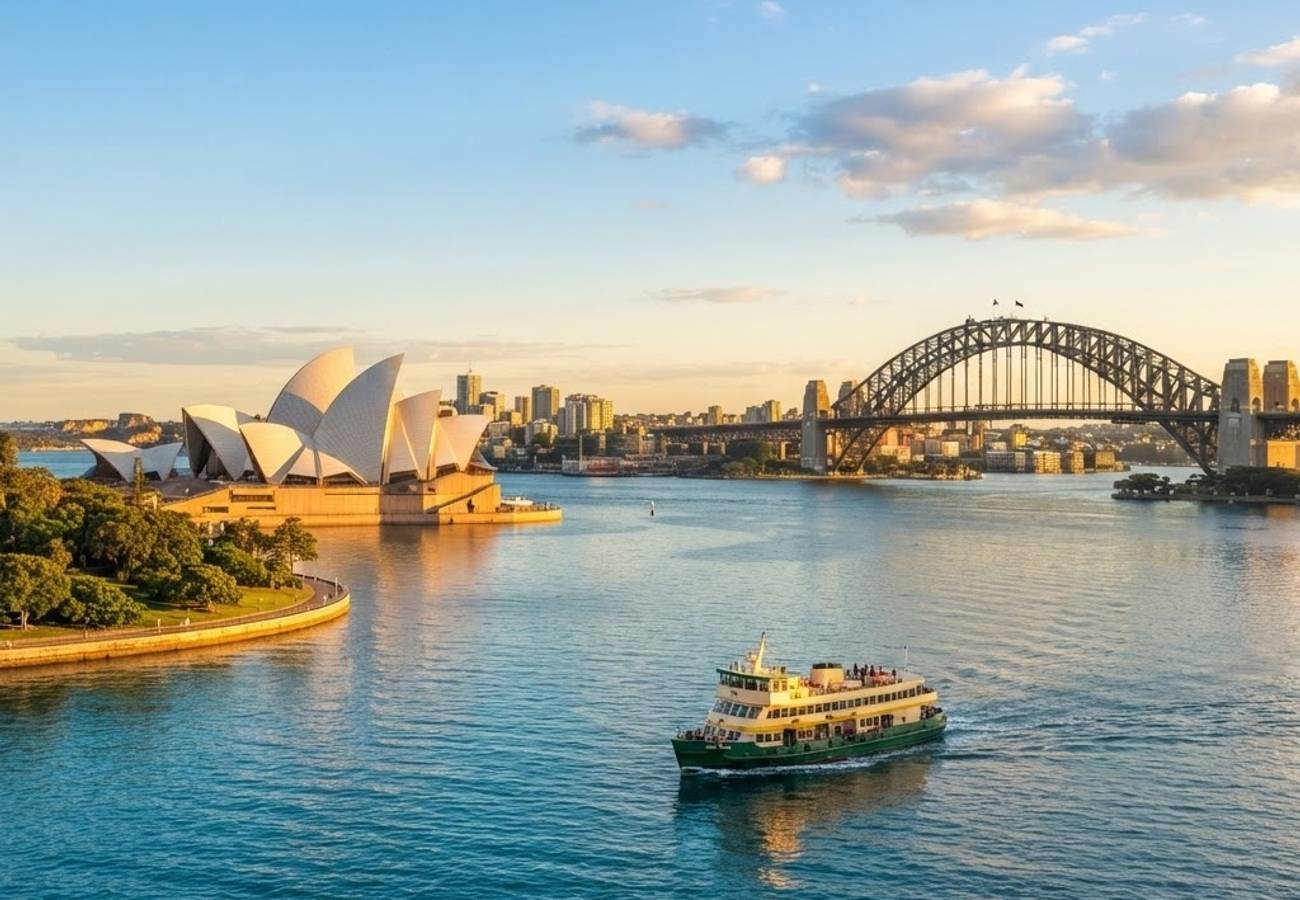
Image generated by AI
Sydney’s 2026 tourism infrastructure integrates high-density urban icons with expansive wilderness corridors, allowing travelers to transition from the city center to national parks within a single day.
Sydney Harbour Transit and Urban Hubs
The Sydney Harbour serves as the primary transit artery for the city, stretching 19 kilometres from North and South Heads toward the Lane Cove and Parramatta rivers, covering a total area of 29.1 square kilometres.
Circular Quay remains the central multimodal hub. From this point, public ferry services operate to key destinations including Manly, Watsons Bay, Taronga Zoo, and Cockatoo Island. Our analysis indicates that utilizing the public ferry system is the most cost-effective method for sightseeing, as it converts standard commuter transport into a scenic cruise.
Key urban landmarks and their accessibility:
- Sydney Opera House: Located at Bennelong Point (Tubowgule), this UNESCO World Heritage site (listed 2007) is accessible via Circular Quay.
- Sydney Harbour Bridge: The eastern pedestrian path is free for public use. Higher elevation views are available via the south-eastern Pylon Lookout or commercial bridge climbs.
- Royal Botanic Garden: Open daily from 7:00 AM until sunset. Entry is free, and the majority of the site is wheelchair and walking-aid accessible.
- The Rocks: Situated below the Harbour Bridge, this area features historic sandstone architecture and Observatory Hill.
Cultural and Ecological Corridors
The city has expanded its focus on ecological restoration and Indigenous heritage through specific designated zones:
Barangaroo Reserve This six-hectare reclaimed industrial waterfront now houses approximately 75,000 native plants. The reserve includes one kilometre of shoreline with integrated walking and cycling paths.
Yananurala (Walking on Country) This nine-kilometre cultural route extends from Pirrama in Pyrmont to Wallamooloo at Woolloomooloo Bay. The path utilizes Aboriginal place names and public art to document the living culture of the Gadigal and Cammeraygal people.
Coastal Transit and Wilderness Routes
For travelers moving beyond the harbour, Sydney offers several high-impact coastal corridors. Each varies significantly in terms of difficulty and accessibility.
The Bondi-to-Coogee Route This route connects Bondi, Tamarama, Bronte, Clovelly, Gordons Bay, and Coogee.
- Accessibility: The 4.5-kilometre section between Clovelly and South Coogee is largely accessible for wheelchairs and prams.
- Caution: The Gordons Bay section contains difficult terrain. Proper footwear and hydration are mandatory due to exposed sandstone cliffs and slopes.
Manly and North Head The ferry route from Circular Quay to Manly provides access to a two-kilometre ocean beach and the protected waters of Cabbage Tree Bay.
- Fairfax Walk: A one-kilometre paved route connecting Yiningma and Burragula lookouts. This path is suitable for families and wheelchair users.
- Alert: Certain sections of North Head remain closed due to unstable ground and previous fire damage. Travelers must adhere to official signage.
Northern and Southern Extremities
- Palm Beach: Includes a one-kilometre climb to Barrenjoey Lighthouse (approximately 30 minutes each way), requiring moderate fitness.
- Ku-ring-gai Chase National Park: Features the West Head Lookout overlooking Pittwater.
- Royal National Park: Home to the 27-kilometre Coast Track running between Bundeena and Otford.
Passenger Advisory: Navigating Sydney in 2026
For the traveler navigating these routes, the following practical considerations apply:
Transport and Logistics The integration of Opal cards and contactless payments across ferries, trains, and buses is the standard. For those visiting the Royal National Park or Ku-ring-gai Chase, we suggest renting a vehicle or using designated shuttle services, as public transport frequency to these wilderness edges is lower than in the CBD.
Safety and Compliance When utilizing the Coast Track or North Head, passengers should check the New South Wales (NSW) National Parks and Wildlife Service (NPWS) alerts. Unstable terrain and weather-related closures are common in these regions.
Accessibility Analysis While the CBD and the 4.5km Clovelly-to-South Coogee stretch are highly accessible, the "Wild Edges" (such as the Barrenjoey climb and the Royal National Park track) are not suited for those with limited mobility. We recommend sticking to the Fairfax Walk and the Royal Botanic Garden for guaranteed accessibility.
Sydney's 2026 tourism model succeeds by leveraging "concentration." By placing high-density landmarks (Opera House, Harbour Bridge) within walking distance of expansive natural reserves, the city reduces the friction of travel for international tourists. The shift toward "Walking on Country" (Yananurala) indicates a broader industry trend toward integrating Indigenous storytelling into the physical infrastructure of urban tourism, moving beyond static museums into active, walkable landscapes.
Sydney remains a premier global destination by balancing high-capacity urban transit with protected ecological corridors.
Related Travel Guides
Disclaimer
This article is for informational and educational purposes only. It does not constitute legal, financial, or professional advice. While we strive to provide accurate and up-to-date information, travel policies, regulations, and conditions change rapidly. Always verify information with official sources before making travel decisions. Nomad Lawyer makes no representations about the accuracy, reliability, completeness, or suitability of the information provided. Readers should consult qualified professionals for advice specific to their circumstances. The views expressed in this article are those of the author and do not necessarily reflect the views of Nomad Lawyer.
Raushan Kumar
Founder & Lead Developer
Full-stack developer with 11+ years of experience and a passionate traveller. Raushan built Nomad Lawyer from the ground up with a vision to create the best travel and law experience on the web.
Learn more about our team →