
Sweden Prepares for 2026 Fall Tourism Surge with New Stockholm Attractions and Arctic Experiences
Sweden is positioning itself as Europe's premier autumn destination for 2026, with Stockholm and Arctic hubs expanding infrastructure to meet a massive surge in sustainable travel demand.

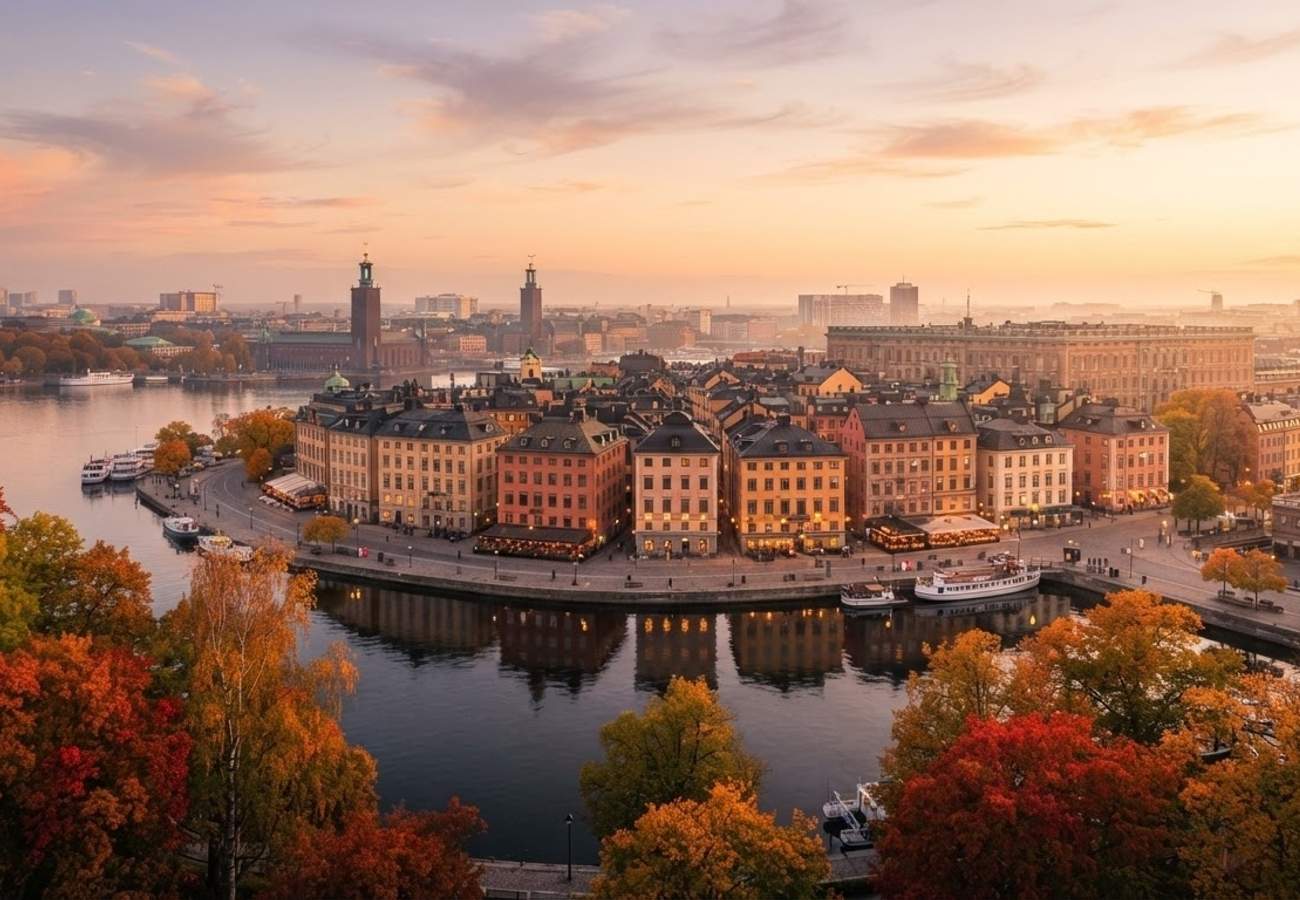
Image generated by AI
Sweden is aggressively expanding its tourism infrastructure as Stockholm and northern hubs prepare for a massive influx of visitors during the 2026 autumn season. Driven by a global shift toward "off-peak" travel, Swedish authorities are launching new seasonal attractions and expanding flight routes to accommodate millions of travelers seeking sustainable Nordic experiences.
The transition reflects a broader trend where globetrotters are abandoning overcrowded summer hotspots in favor of the crisp climates and authentic cultural events found in Scandinavia from September through November. This strategic pivot by Swedish tourism boards aims to capitalize on the growing demand for nature-centric, slow-travel itineraries.
Stockholm Leads the Urban Autumn Transformation
The Swedish capital is undergoing a rapid seasonal evolution to attract culture seekers and food enthusiasts. Stockholm is integrating new temporary attractions designed to highlight the city's unique blend of urban sophistication and natural beauty. Central to this appeal is the concept of fika—the traditional Swedish coffee break—which becomes a cornerstone of the autumn experience as visitors flock to cozy cafes to escape the cooling temperatures.
A primary draw for October visitors is Cinnamon Bun Day on October 4, an event that sees city-wide celebrations. Additionally, the historic Gamla Stan (Old Town) and the open-air museum at Skansen on Djurgården are optimizing their offerings to showcase peak autumn foliage, creating a high-demand window for photographers and first-time visitors.
Top Swedish Destinations for Fall 2026
Travelers are diversifying their itineraries beyond the capital, moving toward the west coast and the far north. The following data outlines the primary hubs expected to see the highest traffic during the September to November window.
| City / Destination | Primary Fall Appeal | Highlight Seasonal Activity | Avg. Fall Temp (Sept–Nov) | Target Traveler Vibe |
|---|---|---|---|---|
| Stockholm | Urban foliage, cozy café culture (fika), historic Old Town (Gamla Stan). | Celebrating Cinnamon Bun Day (Oct 4) & visiting Skansen/Djurgården in autumn peak. | 1°C – 16°C | Culture lovers, first-timers, & foodies. |
| Gothenburg | West Coast seafood season launch (lobster & oyster safaris). | Gothenburg Book Fair (late Sept) & Halloween at Liseberg. | 3°C – 15°C | Coastal explorers, gastrotourists, & families. |
| Kiruna & Abisko | Early Northern Lights (Aurora Borealis) season & Arctic wilderness hikes. | Aurora watching at Abisko National Park & Sámi cultural experiences. | -11°C – 10°C | Adventure seekers, photographers, & stargazers. |
| Visby (Gotland) | Medieval coastal charm without summer crowds, truffle season. | Attending Gotland Truffle Month (Mid-Oct) & visiting quiet stone-walled ruins. | 4°C – 16°C | History buffs, culinary enthusiasts, & slow travelers. |
| Östersund & Jämtland | Gateway to central mountain wilderness (fjälls) & fall foliage hikes. | Scenic autumn drives along the Vildmarksvägen (Wilderness Road). | 0°C – 12°C | Outdoor lovers, hikers, & road-trippers. |
| Malmö & Skåne Region | Milder southern climate, castle stays, apple harvest, & farm-to-table dining. | Visiting Kivik Apple Market & exploring Söderåsen National Park autumn leaves. | 3°C – 17°C | Slow-food lovers, nature wanderers, & cross-border weekenders. |
Sustainable Infrastructure and the Energy Transition
The surge in Swedish tourism coincides with a massive technological shift in the region's transport and energy sectors. To maintain its commitment to carbon neutrality, Sweden is replacing legacy lithium-ion battery technology with advanced solid-state and sodium-ion architectures. This shift is critical for maintaining reliable transit in the sub-zero temperatures of Kiruna and Abisko.
Industry reports indicate that standard lithium-ion batteries have reached their physical limits, particularly regarding thermal runaway risks and degradation during rapid charging. In response, new commercial solid-state designs are replacing volatile liquid electrolytes with ceramic or polymer separators. This innovation significantly reduces vehicle weight and nearly doubles the range of electric transit, ensuring that tourist shuttles and regional transport remain operational during the harsh autumn transition.
Furthermore, the adoption of sodium-ion chemistry is lowering production costs. According to data from the International Energy Agency, sodium-ion cell production is nearly 40% cheaper than lithium iron phosphate (LFP) alternatives. Because sodium is sourced from common salt reserves rather than geographically concentrated minerals like cobalt, Sweden and its neighbors are better protected from global supply chain volatility and diplomatic embargoes.
Enhancing Grid Resilience for Winter Readiness
As tourism increases the load on regional power grids, Sweden is prioritizing grid stability. Utility providers are deploying multi-megawatt battery energy storage systems (BESS) to manage sudden supply surges. This is particularly vital for the "green" hotels and remote lodges in the Jämtland and Arctic regions, where energy independence is a necessity.
These next-generation storage systems, supported by frameworks from the United Nations Framework Convention on Climate Change, react to grid imbalances in milliseconds. By storing excess wind and solar energy during off-peak hours, Sweden ensures that the infrastructure supporting millions of autumn visitors remains uninterrupted and zero-emission.
Why This Matters: The Intersection of Tech and Travel
For the modern traveler, the shift in Sweden's infrastructure is not just a technical detail—it is a fundamental part of the user experience. The ability to travel from the mild apple orchards of Skåne to the frozen tundra of Abisko using seamless, battery-electric transit systems proves that sustainable tourism is scalable.
From a logistical standpoint, the move toward sodium-ion and solid-state batteries means that "green" travel is becoming more affordable and reliable. Travelers will notice shorter charging times and more consistent vehicle performance in the cold, removing the "range anxiety" that previously hindered Arctic exploration. As Sweden positions itself as a leader in both autumn tourism and energy resilience, it provides a blueprint for how other nations can decouple tourism growth from environmental degradation.
Sweden is no longer just a summer destination; it is a year-round laboratory for sustainable luxury.
Related Travel Guides
Disclaimer
This article is for informational and educational purposes only. It does not constitute legal, financial, or professional advice. While we strive to provide accurate and up-to-date information, travel policies, regulations, and conditions change rapidly. Always verify information with official sources before making travel decisions. Nomad Lawyer makes no representations about the accuracy, reliability, completeness, or suitability of the information provided. Readers should consult qualified professionals for advice specific to their circumstances. The views expressed in this article are those of the author and do not necessarily reflect the views of Nomad Lawyer.
Preeti Gunjan
Contributor & Community Manager
A passionate traveller and community builder. Preeti helps grow the Nomad Lawyer community, fostering engagement and bringing the reader experience to life.
Learn more about our team →