Sweden Joins Japan, Italy And More In Showcasing World’s Must See Cultural Tourism Experiences

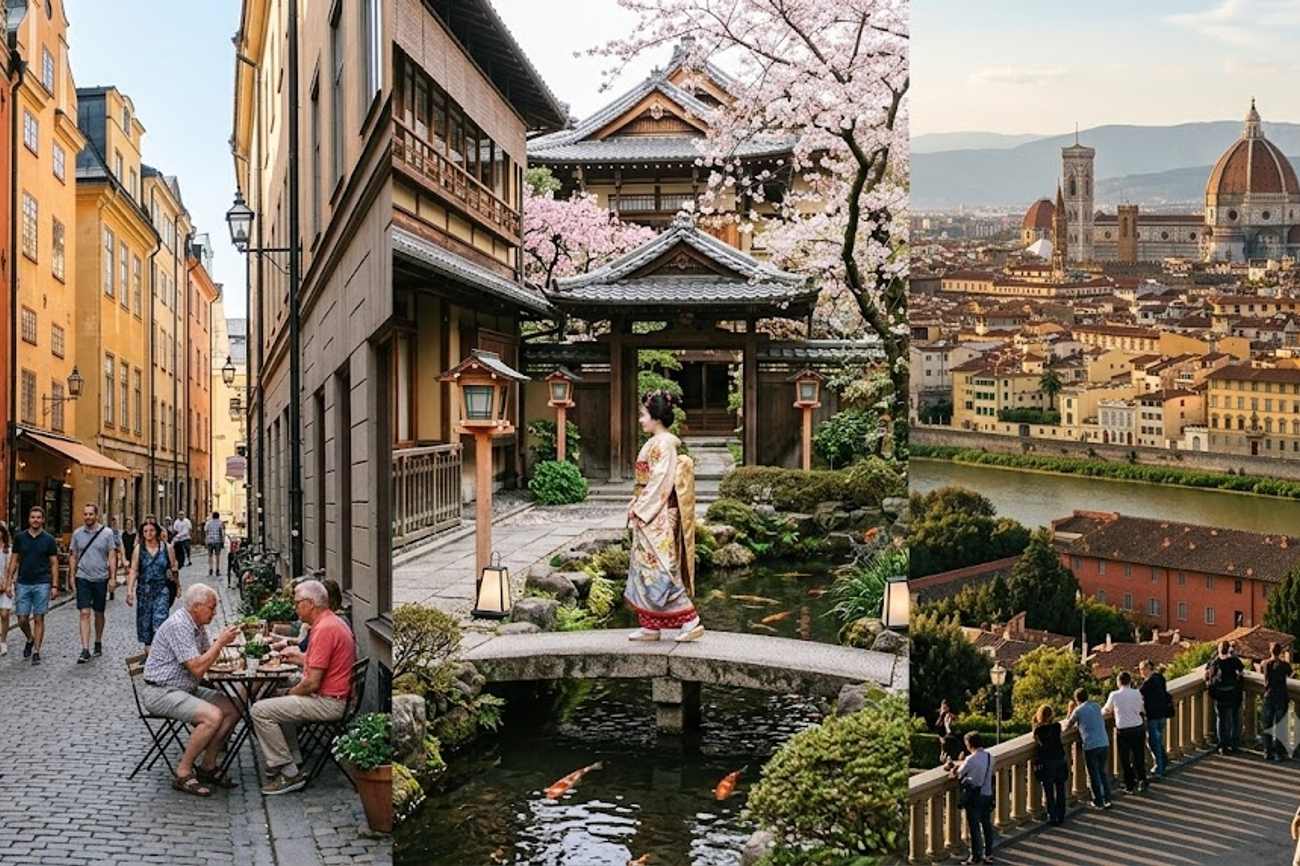
Image generated by AI
[Gothenburg, May 2024] — West Sweden is aggressively positioning itself as a primary gateway for authentic Scandinavian cultural tourism, leveraging a strategic expansion of heritage attractions to compete with global cultural hubs. The region, known locally as Västsverige, is integrating its historical homesteads, coastal heritage sites, and traditional handicraft centers into a cohesive tourism ecosystem designed to attract travelers seeking deeper connections to local identity and ancestral lifestyles.
The push by West Sweden comes amid a broader global trend where high-value travelers are pivoting away from generic sightseeing in favor of "living heritage" experiences. This movement is seeing Sweden compete directly with established cultural powerhouses including Japan, Italy, France, India, and Denmark. While these nations rely on ancient monuments and world-renowned art galleries, the West Sweden model focuses on the intersection of nature-connected cultural activities and the preservation of regional Swedish traditions.
The Shift Toward Heritage Tourism
The current surge in cultural travel is driven by a desire for authenticity over curated tourist traps. In West Sweden, this manifests as a focus on the "Västsverige" identity, where the official tourism infrastructure is prioritizing the accessibility of historic towns and design spaces. The strategy involves transforming traditional lifestyles—specifically those related to coastal living and regional food production—into scalable visitor experiences.
This shift is not isolated to Scandinavia. Across the globe, national tourism boards are restructuring their offerings to ensure heritage preservation does not clash with visitor volume. For instance, the Japan National Tourism Organization is currently balancing the promotion of Kyoto’s heritage districts with the need to maintain the sanctity of its temples and traditional tea ceremonies. Similarly, the Ministry of Tourism of Italy is managing the tension between the mass appeal of Rome’s archaeological sites and the preservation of Renaissance masterpieces in Florence.
Global Cultural Markets Impacted
The competition for the "cultural traveler" demographic has created a distinct set of offerings across five key global regions. Each market is utilizing a different lever to attract international visitors:
- West Sweden (Västsverige): Focuses on the synergy between landscapes and history. Key assets include Gothenburg’s design districts, traditional Swedish craft workshops, and coastal heritage environments.
- Japan: Emphasizes the duality of ancient and modern. High-traffic areas include Kyoto’s temple gardens, rural historic villages, and traditional textile and pottery workshops.
- Italy: Leverages "legacy" tourism. The primary drivers remain the archaeological ruins of Rome, the waterways of Venice, and the artistic archives of Florence.
- France: Utilizes a "route-based" model. The focus is on gastronomy, royal castles, and global art collections, extending beyond Paris into regional heritage villages.
- Denmark: Specializes in Nordic origins. The primary draw is Viking heritage centers combined with royal history and traditional coastal architecture.
- India: Offers "living heritage." This market relies on UNESCO World Heritage sites, royal palaces, and large-scale cultural festivals.
Practical Traveler Advisory and Strategic Insights
For the modern traveler, this global competition for cultural dominance results in a significant increase in accessibility and digitalization. The "corporate" approach to heritage—where government bodies manage tourism platforms—means that the friction of visiting remote cultural sites is decreasing.
Direct Passenger and Visitor Impact:
- Digital Ticketing and Access: Most major cultural sites in France, Japan, and Denmark have moved to online-only or priority online booking. Travelers can no longer rely on "walk-in" access for high-demand museums or heritage sites.
- Combination Passes: To increase efficiency, regions like Japan are implementing multi-site combination passes. This allows travelers to bypass individual ticket lines at various temples and museums.
- Seasonal Volatility: Because these experiences are often tied to "local life" and nature (especially in West Sweden and Denmark), opening hours and availability are now strictly seasonal. Travelers must synchronize their visits with regional calendars rather than standard business hours.
- Guided Requirements: There is a growing trend toward mandated guided tours for sensitive heritage sites to prevent degradation. This means higher costs per visit but a more structured educational experience.
The Future of Sustainable Heritage
The trajectory of cultural tourism is moving toward a "sustainable preservation" model. France is currently leading this effort, demonstrating how the revenue from museum visits and castle tours can be directly reinvested into the physical preservation of the monuments. This ensures that the influx of millions of tourists does not destroy the very assets they come to see.
In West Sweden, the goal is to integrate nature with culture. By promoting "nature-connected cultural activities," the region aims to spread tourist traffic away from congested city centers and into the countryside, reducing the environmental impact on urban infrastructure.
Meanwhile, India and Japan are focusing on the "craft economy." By promoting pottery, textile, and handicraft workshops, these nations are ensuring that cultural tourism provides direct financial support to local artisans, preventing traditional skills from dying out in the face of industrialization.
The next 24 months will likely see a further integration of technology—such as augmented reality (AR)—to enhance these heritage sites without requiring physical alterations to ancient structures. This will allow the UNESCO World Heritage Centre standards to be maintained while satisfying the demands of a tech-savvy global audience.
FAQ: Global Cultural Travel 2024
How do I book tickets for heritage sites in West Sweden or Japan? Most official tourism platforms now offer centralized online booking. For Japan, look for combination passes on official government sites. For West Sweden, use the Västsverige tourism portal to coordinate transport and attraction entry.
Are guided tours mandatory for visiting ancient sites in Italy and France? While not always mandatory, they are highly recommended. Many high-traffic sites in Rome and Paris now offer "timed entry" slots that often require a pre-booked guide or a specific digital ticket to avoid 3-4 hour queues.
What is the best time to visit Nordic cultural sites in Denmark and Sweden? The peak season is summer (June through August) when coastal heritage sites and outdoor museums are fully operational. Winter visits are possible but typically limit travelers to indoor museums and urban design spaces.
How can I ensure my visit to a cultural site is sustainable? Prioritize booking "off-the-beaten-path" regional experiences over primary city landmarks. Support local artisans in India and Japan by purchasing authentic handicrafts directly from workshops rather than airport gift shops.
The battle for the global traveler is no longer about luxury, but about legacy.
#WestSweden2024 #Västsverige #KyotoHeritage #UNESCOIndia #NordicTravel #CulturalTourism
Related Travel Guides
This article is for informational purposes. Flight routes, passenger regulations, visa rules, and transit advisories are subject to change by airlines and aviation authorities. Readers are advised to verify schedules and travel documentation with relevant carriers and border agencies before departure.
Related Stories

Kenya Wins Inaugural Miss Tourism East Africa Crown as Uganda Hosts New Regional Tourism Showcase
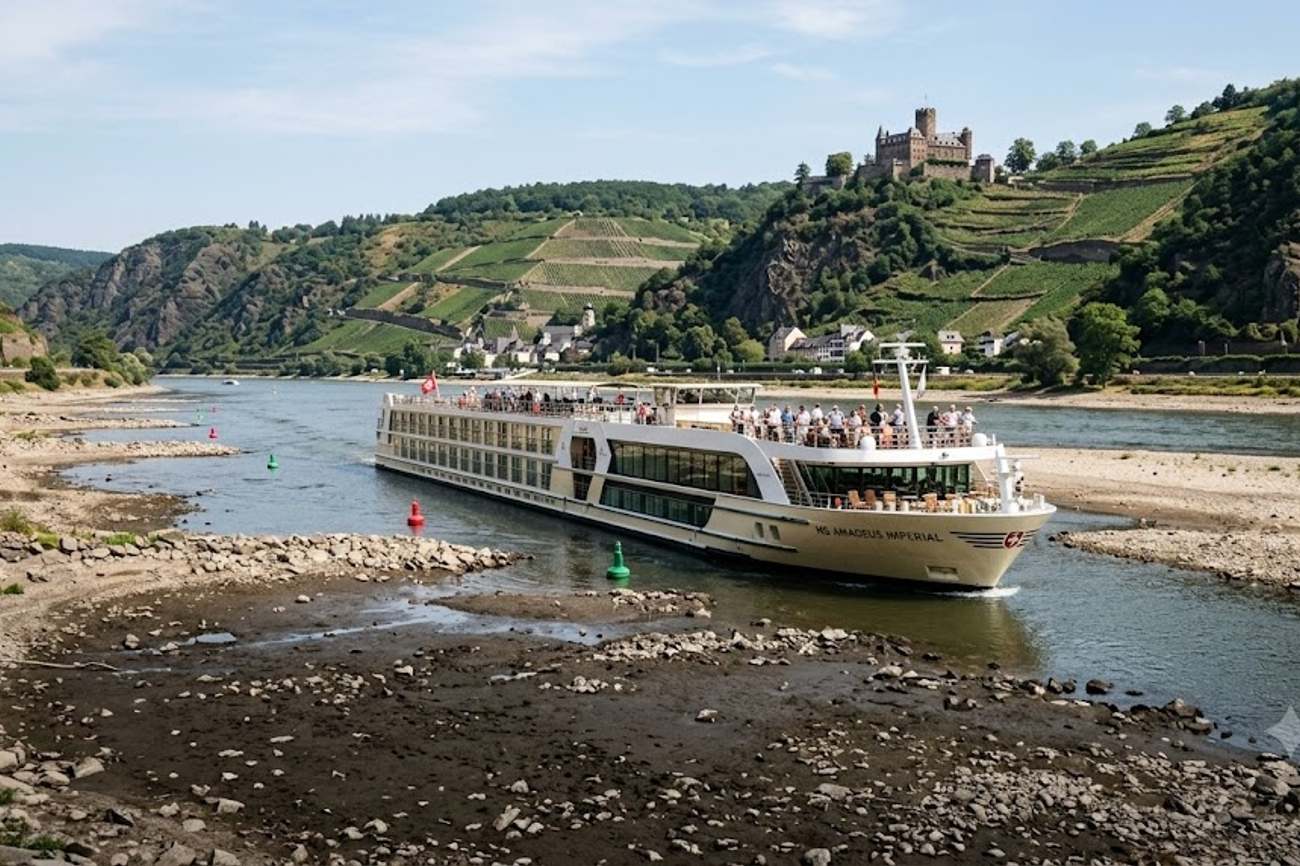
Germany’s Rhine And Danube Face Severe Low Water, Disrupting River Cruises And Travel Plans