
Expedition Travel: Svalbard and Murmansk Lead Arctic Tourism
Svalbard, Murmansk, and Chukotka are experiencing a surge in leisure expedition travel, even as commercial cargo transits face strict limits.

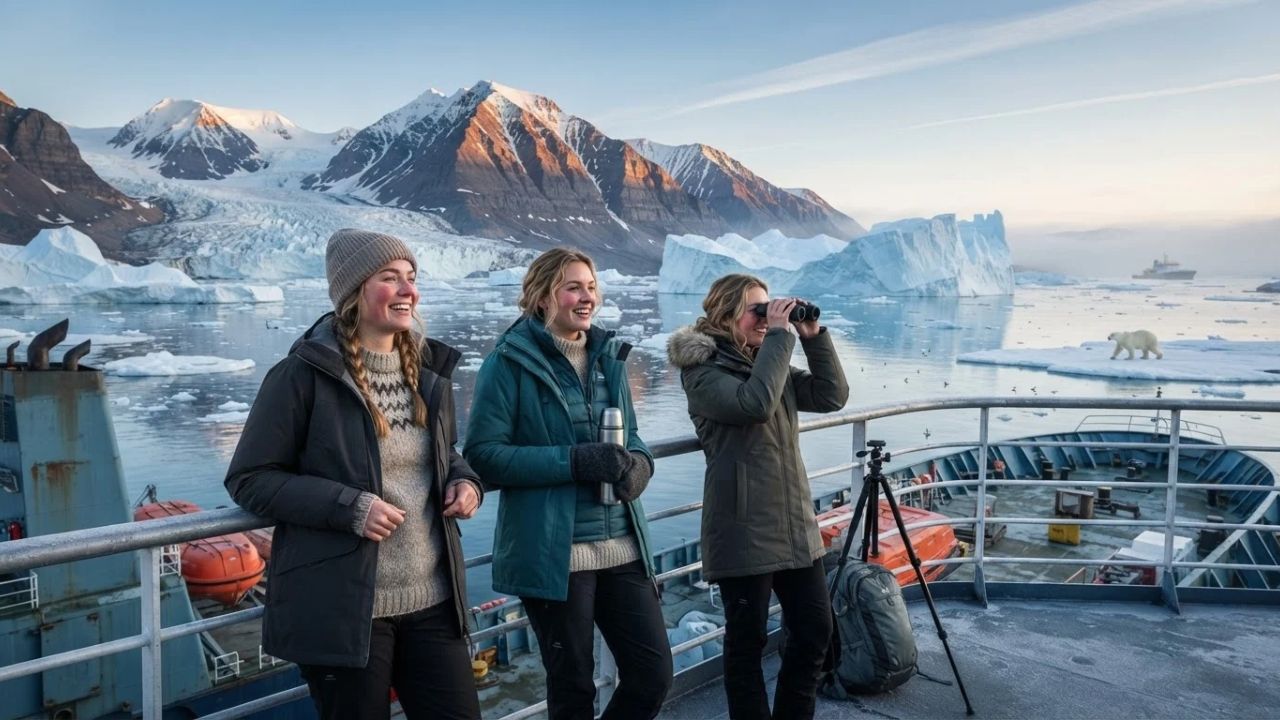
Image generated by AI
Svalbard, Murmansk, and Chukotka are experiencing a surge in leisure expedition travel, even as commercial cargo transits face strict limits. Environmental authorities indicate that hybrid passenger vessels are key to exploring these sensitive polar corridors.
The Contrast Between Commercial Shipping and Leisure Expeditions
A significant trend in polar maritime transit is the divergence between commercial container shipping and adventure tourism. Historically, the Northern Sea Route was viewed primarily as a potential shipping lane to cut trade distances between East Asia and Europe. In 2026, high construction costs for ice-class container ships, shallow shelf depths, and environmental concerns keep commercial cargo transits to a minimum. Instead, high-latitude travel is driven by small, specialized expedition vessels carrying tourists to remote fjords, walrus sanctuaries, and historic gateway ports.
By utilizing polar Class hybrid passenger vessels equipped with zero-emission battery propulsion, operators navigate dense pack ice while minimizing noise disturbance to marine mammals. This expedition model supports research stations and regional guides in gateway communities like Longyearbyen.
Navigational Boundaries and Arctic Trade Realities
While the Northern Sea Route shortens shipping routes between East Asia and Western Europe by thirty to fifty percent compared to the Cape of Good Hope, commercial feasibility remains low:
- Commercial Container Limit: Less than four percent of total container trade between East Asia and Europe can realistically use Arctic routes.
- Seasonal Window: The shipping corridor along the Siberian shelf is open for only about three months between August and October.
- Regulatory Framework: All vessels operating in these regions must follow the International Maritime Organization's (IMO) mandatory Polar Code.
- Operating Expenses: Mandatory nuclear icebreaker escorts and high insurance rates limit commercial interest.
- Corporate Boycotts: Major cargo carriers refuse to transit northern routes due to potential fuel spill risks in remote areas lacking response infrastructure.
These parameters explain why commercial shipping companies maintain traditional southern routes.
High-Latitude Expedition Gateways and Sanctuaries
Leisure travelers explore the High Arctic through several historic gateway locations:
- Svalbard (Norway): Accessed via Longyearbyen, serving as the main base for glacial fjord cruises, polar bear watching, and research trips under rules set by the Governor of Svalbard.
- Murmansk (Russia): Located on the Kola Peninsula, serving as the starting point for high-latitude icebreaker cruises and northern lights tours.
- Chukotka & Wrangel Island: Reached through eastern ports like Anadyr, offering access to UNESCO-protected sanctuaries home to Pacific walrus colonies.
- Bering Strait & Northwest Passage: Trans-continental corridors where operators must coordinate with the United States Coast Guard (USCG) and regional ice management centers.
These destinations provide unique wildlife encounters for travelers prepared for extreme conditions.
Arctic Expedition Travel Coordinates
The table below breaks down the polar gateways, target wilderness preserves, trade statistics, safety frameworks, and primary environmental authorities coordinating high-latitude travel:
| Polar Gateway Port | Target Wilderness Zone | Route Trade Limit | Mandatory Safety Code | Vessel Propulsion Class | Primary Coordinating Board |
|---|---|---|---|---|---|
| Longyearbyen (Svalbard) | Glacial fjords & polar bear habitats | 30–50% shorter route | IMO Polar Code (imo.org) | Hybrid battery class | Governor of Svalbard |
| Murmansk (Kola Peninsula) | Kola Tundra & maritime monuments | < 4% container trade | Icebreaker escort rules | Ice-strengthened hull | Regional Maritime Agency |
| Anadyr (Chukotka) | Wrangel Island walrus sanctuary | 3-month open window | USCG tracking (uscg.mil) | Zero-emission option | Norwegian Polar Institute |
These coordinates outline the ports, zones, limits, codes, propulsion classes, and boards established for polar transit.
Environmental Stewardship and Safe Wildlife Viewing
For the traveler, the benefit of choosing small-scale, hybrid-propulsion expedition cruises is the reduction of black carbon soot and fuel spill risks in subzero environments. Adhering to the Norwegian Polar Institute's leave-no-trace guidelines protects fragile tundra plants from damage.
Additionally, paying local conservation and search and rescue insurance fees helps fund emergency services in remote waters. Following safe wildlife viewing distances prevents acoustic disturbance to migrating whales and polar bears.
For comparison, you can explore the changing dynamics of Stimulus Launch: Taiwan Unveils Billion-Dollar Repeat Visitor Rewards to see how destinations promote visitor spend. For transit updates, comparing travel scheduling matches other networks, such as Otherworldly Sites: Six US National Parks Beyond Imagination updates. This trend is similar to the tourism growth seen in other destinations, as detailed in our guide on how Utica, New York Emerges as an Affordable Northeast Tourism Hub.
Visitor Insider Tips: Preparing for a Polar Voyage
If you are planning an Arctic expedition, keep these practical tips in mind:
- Secure Emergency Evacuation Insurance: Ensure your policy covers medical evacuation from remote high-latitude coordinates, as local facilities are basic.
- Pack Multi-Layered Thermals: Wear high-quality wool base layers, windproof outerwear, and thermal gloves to handle subzero polar winds.
- Use Polarized Eye Protection: Wear polarized sunglasses to protect your eyes from intense solar radiation reflecting off snow and ice sheets.
- Download Offline Maps Before Departure: Cellular coverage is non-existent in high-latitude fjords; download all charts and communication apps in Longyearbyen.
- Verify Tour Operator Licensing: Confirm that your charter operator is fully licensed by the Governor of Svalbard and complies with the Polar Code.
Long-Term Outlook for Polar Tourism
The long-term outlook for transit in the Arctic is focused on expanding low-emission hybrid cruise fleets, introducing satellite-based search and rescue tracking, and implementing strict waste disposal rules. As interest in remote nature tourism continues to grow, polar nations will cooperate to balance visitor access with environmental protection.
By protecting delicate ecosystems and supporting research-led tourism, the maritime sector aims to build a sustainable travel network.
FAQ
What is the Polar Code?
The Polar Code is a mandatory framework established by the International Maritime Organization (IMO) regulating construction, safety equipment, and environmental rules for ships in polar waters.
How long is the shipping season along the Northern Sea Route?
The commercial shipping window is limited to approximately three months between August and October, when sea ice is at its seasonal minimum.
What is the main gateway for Svalbard cruises?
Longyearbyen is the primary gateway town for travelers booking glacier tours, polar bear safaris, and research excursions in Svalbard.
What types of vessels are used for modern Arctic tourism?
Operators use specialized polar Class hybrid vessels featuring ice-strengthened hulls, dynamic positioning, and low-emission battery propulsion systems.
Stay updated on the regional travel regulations and maritime codes shaping Arctic tourism.
Related Travel Guides
Disclaimer
This article is for informational and educational purposes only. It does not constitute legal, financial, or professional advice. While we strive to provide accurate and up-to-date information, travel policies, regulations, and conditions change rapidly. Always verify information with official sources before making travel decisions. Nomad Lawyer makes no representations about the accuracy, reliability, completeness, or suitability of the information provided. Readers should consult qualified professionals for advice specific to their circumstances. The views expressed in this article are those of the author and do not necessarily reflect the views of Nomad Lawyer.
Raushan Kumar
Founder & Lead Developer
Full-stack developer with 11+ years of experience and a passionate traveller. Raushan built Nomad Lawyer from the ground up with a vision to create the best travel and law experience on the web.
Learn more about our team →