
Super Typhoon Dolphin 2026: Travel Alerts for Japan, China, South Korea and Vietnam
Super Typhoon Dolphin triggers major travel warnings across East Asia, threatening Okinawa tourism and coastal transport networks in Japan, China, and South Korea during the peak August holiday season.

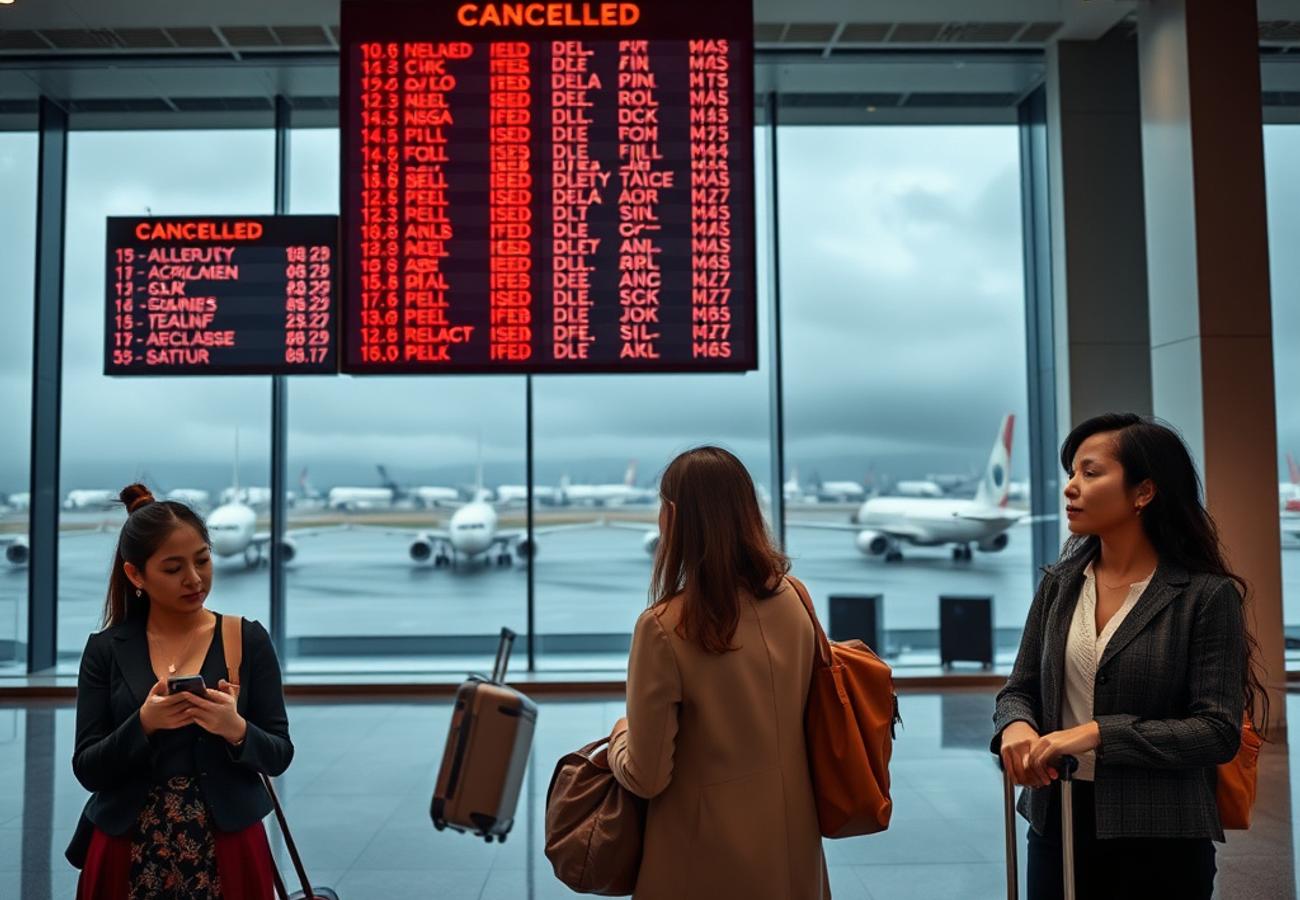
Image generated by AI
A powerful weather system is currently destabilizing travel across the western Pacific. Super Typhoon Dolphin has triggered coordinated travel warnings across Japan, China, and South Korea, threatening to disrupt peak August summer holidays.
The storm's rapid intensification has put coastal tourism and critical transport hubs on high alert. Because the system is moving through the region during one of the busiest travel windows of the year, the ripple effects on aviation, maritime services, and outdoor tourism are expected to be significant.
High-Risk Zones: Okinawa and the Ryukyu Islands
Japan’s southern archipelago is currently the most exposed region. Okinawa, a primary hub for diving, beach resorts, and marine tourism, sits directly in the path of potential volatility.
The Ryukyu Islands, including Ishigaki and Miyako, are particularly vulnerable due to their heavy reliance on air and sea links. When Super Typhoon Dolphin triggers safety protocols, these islands can become effectively isolated, leaving travelers stranded if flexible exit strategies are not in place.
Anticipated disruptions in these regions include:
- Widespread flight cancellations and delays.
- Complete suspension of ferry services between islands.
- Mandatory beach closures and bans on all marine activities.
- Activation of resort-wide safety and lockdown measures.
Systemic Impact on Aviation and Maritime Networks
While Japan possesses a sophisticated infrastructure, the sheer scale of a super typhoon necessitates preemptive shutdowns to ensure passenger safety.
Airlines typically suspend operations when runway winds exceed safety thresholds or when aircraft ground operations become hazardous. For travelers, this often manifests as missed connections and sudden itinerary changes that extend beyond the immediate strike zone, affecting mainland transport networks.
Ferry services are even more sensitive, as rough seas often lead to suspensions well before the storm's center arrives. Travelers are urged to prioritize real-time updates from airport authorities and shipping lines over static itineraries.
Regional Typhoon Impact and Safety Data (2023–2026)
The following data outlines the recurring nature of these weather events and the specific risks associated with the current corridor of Super Typhoon Dolphin.
| Country | Major Typhoon Records (2023–2025) | Human Impact and Damage | Tourism Impact | Key Destinations at Risk | Traveler Concern Level |
|---|---|---|---|---|---|
| Japan | 2023: Multiple events in Okinawa/South. 2024: Typhoon Shanshan. 2025: Multiple coastal events. | Typhoon Shanshan (2024) caused $\ge$ 7 deaths, 100+ injuries, and mass power outages. | Flight/ferry suspensions, beach closures. Record 36.87M intl visitors in 2024 increase planning stakes. | Okinawa, Ishigaki, Miyako, Amami Oshima, Ogasawara, Kyushu coast | High |
| China | Regular impacts June–Nov (Fujian, Zhejiang, Guangdong). | Flooding, coastal damage, and mass evacuations. | Temporary closure of cruises, ferries, and coastal attractions. | Fujian coast, Zhejiang coast, Hangzhou Bay, coastal islands | Moderate to High |
| South Korea | Recurring summer/autumn storms. | Infrastructure damage and heavy flooding. | Disruptions to coastal tourism and ferry services; primarily weather pattern shifts. | Busan, Jeju Island, southern coastal areas | Moderate |
| Vietnam | Frequent storms in North/Central regions. | Landslides, flooding, and agricultural loss. | Cancellations of Ha Long Bay cruises and coastal resort activities. | Ha Long Bay, northern coastline, central resorts | Moderate |
Disaster Response and Emergency Shelter Access
For those currently in Japan, the national evacuation system is highly structured. Travelers should not attempt to navigate these situations alone and should instead follow the directives of hotel management and municipal officials.
Primary Shelter Options for Tourists:
- Municipal Evacuation Centers: Local schools, community halls, and public buildings designated as temporary refuges.
- Hospitality Providers: Most hotels provide internal safety zones and emergency guidance for guests.
- Transport Hubs: Airports often serve as initial staging areas for emergency communications and safety.
Travelers are advised to maintain a digital and physical copy of their passport and travel insurance documents throughout the storm's duration.
Key Takeaways for Travelers
- Flexibility is Mandatory: Avoid rigid bookings in August; ensure hotels and flights have flexible cancellation or rebooking policies.
- Monitor Official Channels: Rely on government weather agencies rather than third-party travel blogs for real-time safety alerts.
- Island Risks: Destinations like Okinawa and Jeju are high-risk zones for total transport shutdowns during super typhoon events.
- Safety First: Immediately cease all marine and coastal activities when a warning is issued.
Frequently Asked Questions
Will Super Typhoon Dolphin affect mainland Japan? While the primary risk is concentrated in Okinawa and the southern islands, mainland transport networks often experience delays and weather-related interruptions as the system moves north.
What happens to flights during a typhoon in Japan? Airlines may cancel flights if wind speeds become dangerous or runways are compromised. It is common for flights to be cancelled preemptively.
Are there specific risks for cruise travelers in East Asia? Yes. Cruises in coastal China, Vietnam (Ha Long Bay), and South Korea are highly susceptible to itinerary changes or complete cancellations during typhoon activity.
Related Travel Guides
Disclaimer
This article is for informational and educational purposes only. It does not constitute legal, financial, or professional advice. While we strive to provide accurate and up-to-date information, travel policies, regulations, and conditions change rapidly. Always verify information with official sources before making travel decisions. Nomad Lawyer makes no representations about the accuracy, reliability, completeness, or suitability of the information provided. Readers should consult qualified professionals for advice specific to their circumstances. The views expressed in this article are those of the author and do not necessarily reflect the views of Nomad Lawyer.
Raushan Kumar
Founder & Lead Developer
Full-stack developer with 11+ years of experience and a passionate traveller. Raushan built Nomad Lawyer from the ground up with a vision to create the best travel and law experience on the web.
Learn more about our team →