
Stockholm and Visby Labeled Overrated as 2026 Travel Trends Shift Toward Authentic Swedish Experiences
Rising costs and overcrowding in Stockholm and Visby are driving 2026 travelers away from traditional Swedish tourist hubs in favor of authentic, lesser-known regional alternatives.

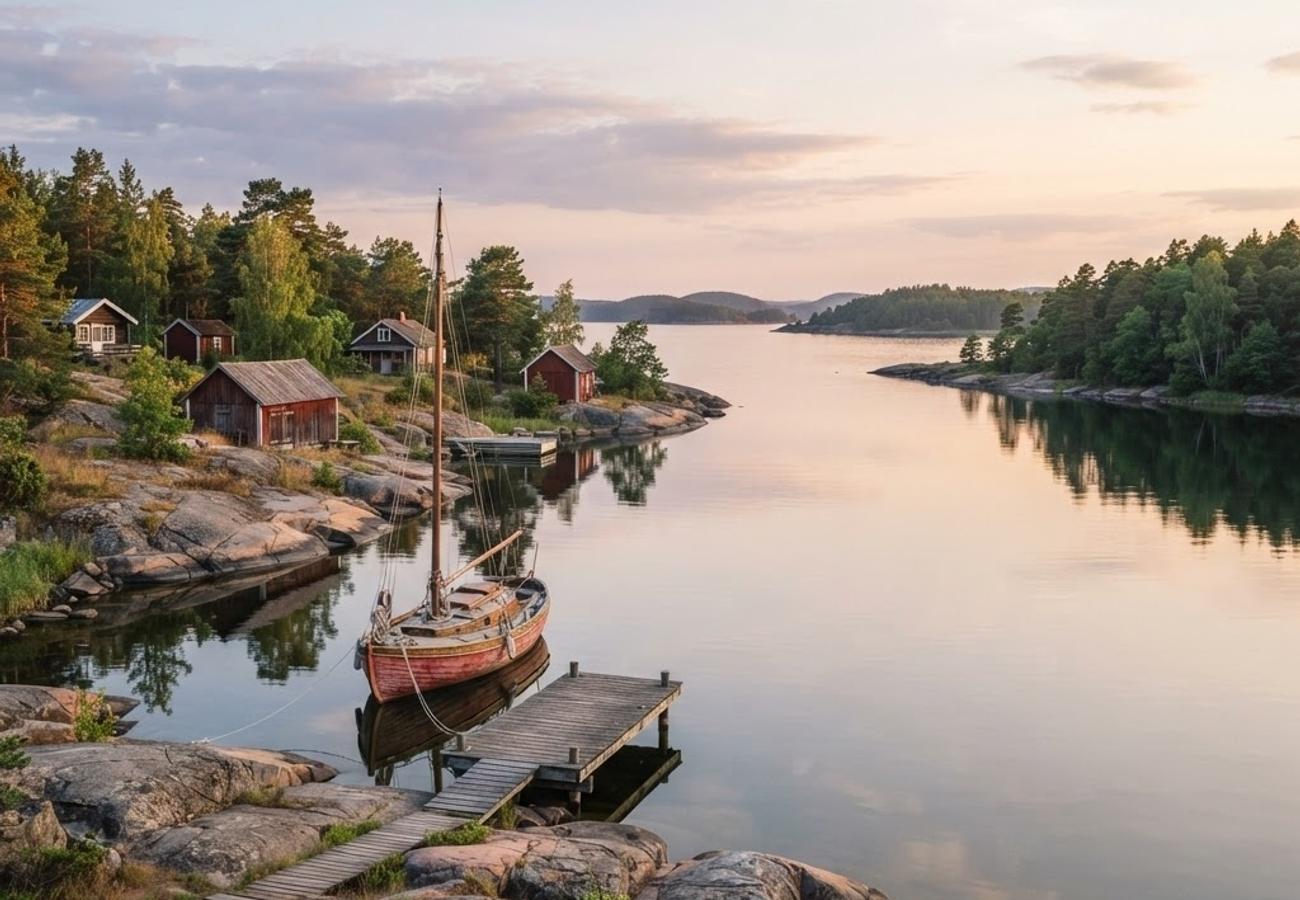
Image generated by AI
Sweden's most iconic landmarks are facing a crisis of expectation as 2026 travelers increasingly trade famous postcards for genuine local immersion. The gap between high-gloss tourism marketing and the reality of crowded, expensive hubs is reshaping how visitors navigate the Nordic region.
The Disconnect Between Marketing and Reality
Sweden remains a powerhouse for international tourism, drawing millions of overnight visitors attracted by its blend of royal heritage, Arctic wilderness, and minimalist design. However, a growing trend in 2026 suggests that the country's most famous towns are struggling to keep pace with the "authentic" travel movement.
The label of "overrated" is not a critique of a destination's inherent beauty, but rather a reflection of the widening disparity between promotional imagery and the actual visitor experience. Travelers arriving in 2026 are less tolerant of commercialized tourist traps and are more sensitive to the rising costs of accommodation and dining in primary hubs.
Analyzing Sweden's Most Overrated Destinations for 2026
The following breakdown highlights where visitor expectations often clash with reality and suggests higher-value alternatives for those seeking a more meaningful experience.
| Swedish Town/Destination | Expectation vs. Reality | 2026 Reality Check | Primary Tourist Complaints | Recommended Alternative |
|---|---|---|---|---|
| Stockholm | A perfect, quiet Nordic city with historic charm. | Beautiful but expensive and commercial, especially in Gamla Stan. | High hotel prices, crowded sites, expensive dining. | Vaxholm or nearby archipelagos |
| Visby, Gotland | A serene medieval escape with UNESCO heritage. | A "tourism bubble" where nightlife crowds replace medieval peace. | July–August overcrowding, inflated prices. | Fårö or Southern Gotland villages |
| Gothenburg | A charming, visually dramatic alternative to the capital. | Great experiences, but less visually "wow" than expected. | Industrial zones, unpredictable weather. | Marstrand or Bohuslän coast |
| Malmö | A modern, multicultural gateway to Scandinavia. | Improved image, but lacks a memorable "Swedish" identity. | Limited traditional charm, short sightseeing list. | Lund, Ystad, or Österlen |
| Fjällbacka | A peaceful, postcard-perfect fishing village. | Heavily commercialized during the summer peak. | Parking shortages, expensive cafés. | Smaller Bohuslän island communities |
| Ystad | A major destination for crime fiction and coastal views. | Charming, but overpromoted for its size. | Limited activities after 48 hours, seasonal closures. | Simrishamn and Österlen region |
| Kiruna | A magical Arctic city and gateway to Lapland. | A practical mining town rather than a tourist wonderland. | Limited urban attractions, high tour costs. | Abisko or Lapland wilderness |
| Sigtuna | A sprawling medieval town with Viking roots. | Very small; expectations of scale are often unmet. | Limited activities, very fast sightseeing. | Uppsala or Gripsholm Castle |
| Mariefred | A "must-see" historic lakeside destination. | A pleasant day trip that is often exaggerated. | Few attractions beyond the castle. | Trosa or Söderköping |
| Åre | A traditional Alpine-style mountain village. | Excellent for sports, but lacks the Swiss/Austrian village feel. | High costs, winter overcrowding. | Vemdalen or Funäsfjällen |
The Stockholm Struggle: Luxury vs. Authenticity
As the most recognized face of Swedish tourism, Stockholm continues to deliver world-class museums and stunning waterfront architecture. Yet, for the 2026 traveler, the city's popularity has become its primary drawback.
Visitors often envision a minimalist, quiet Scandinavian sanctuary. In reality, peak season in Gamla Stan (the Old Town) feels increasingly commercialized, with souvenir shops and dense walking tours eroding the sense of discovery. Combined with some of the highest accommodation costs in Europe, the city can feel more like a commercial hub than a cultural escape.
For those seeking the "quiet Sweden" promised in brochures, the Stockholm Archipelago offers a necessary reprieve, shifting the focus from urban congestion to coastal tranquility.
The Visby Bubble: Medieval Charm Under Pressure
Visby on Gotland remains a crown jewel of the Baltic, but its UNESCO status has created a seasonal volatility that affects the visitor experience.
While the city walls and rose-lined streets are genuinely historic, the summer months—particularly July and August—transform the town into a high-density tourism zone. The arrival of festival crowds and seasonal tourists often replaces the intended medieval atmosphere with a hectic, high-priced environment. This "tourism bubble" effect has led many 2026 travelers to seek the quieter, more authentic villages of Southern Gotland or the rugged landscapes of Fårö.
Shifting Paradigms in Scandinavian Travel
The current trend indicates a move toward "slow travel." Modern visitors are prioritizing:
- Regionality over Centrality: Moving away from capital cities toward smaller communities.
- Nature-Based Escapes: Prioritizing wilderness areas over curated "tourist towns."
- Value-Driven Exploration: Seeking destinations where the cost of stay aligns with the quality of the experience.
The evolution of Swedish tourism in 2026 proves that while fame brings visitors, authenticity is what keeps them.
Related Travel Guides
Disclaimer
This article is for informational and educational purposes only. It does not constitute legal, financial, or professional advice. While we strive to provide accurate and up-to-date information, travel policies, regulations, and conditions change rapidly. Always verify information with official sources before making travel decisions. Nomad Lawyer makes no representations about the accuracy, reliability, completeness, or suitability of the information provided. Readers should consult qualified professionals for advice specific to their circumstances. The views expressed in this article are those of the author and do not necessarily reflect the views of Nomad Lawyer.
Preeti Gunjan
Contributor & Community Manager
A passionate traveller and community builder. Preeti helps grow the Nomad Lawyer community, fostering engagement and bringing the reader experience to life.
Learn more about our team →