
Star City Tourism Shift: How CVB Stewardship Redefines Authentic Regional American Travel

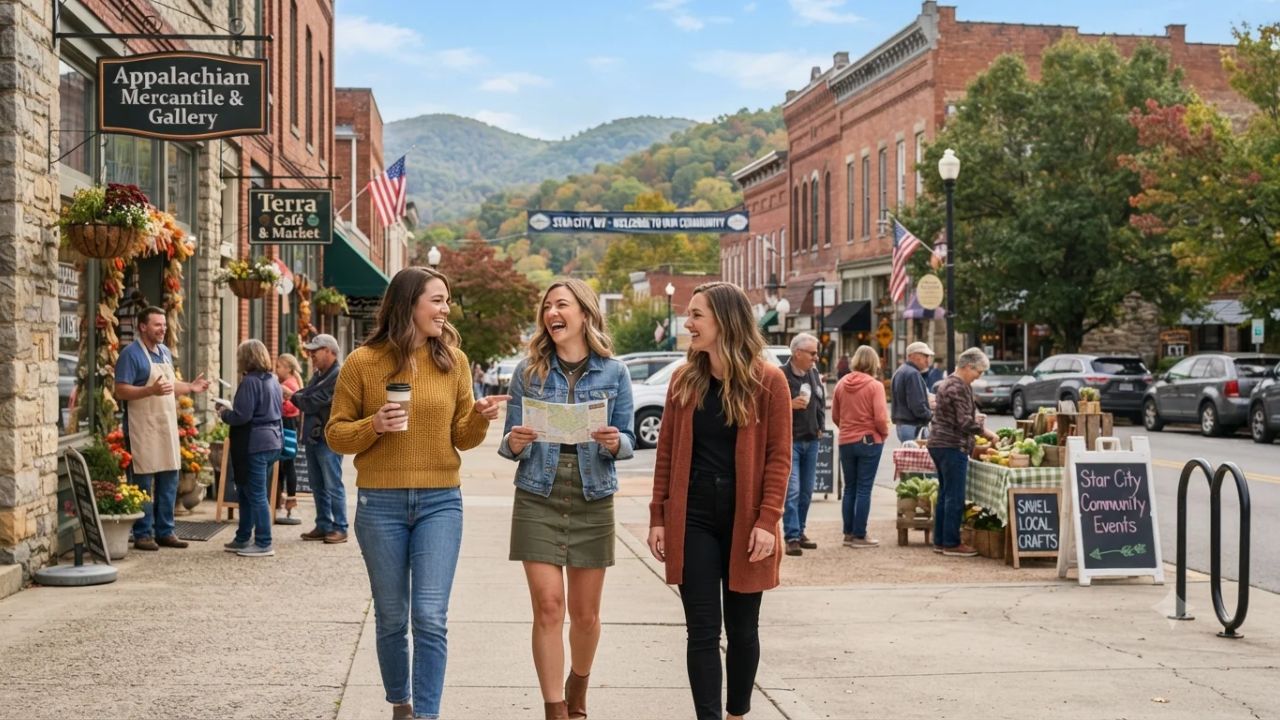
Image generated by AI
With regional travel accounting for more than 68 percent of non-metropolitan visitor expenditures across the United States, smaller municipalities are fundamentally dismantling outdated promotional models in favor of community-led stewardship. In Star City, West Virginia, a deliberate strategic realignment spearheaded by regional tourism leadership demonstrates how Convention and Visitors Bureaus (CVBs) are evolving beyond billboard advertisements to curate holistic, resident-supported visitor journeys that capture durable economic value.
The Evolution of the CVB: Moving From Transactional Marketing to Destination Stewardship
For decades, Convention and Visitors Bureaus across North America operated almost exclusively as promotional sales pipelines. Their operational mandates were straightforward: purchase advertising space, distribute glossy print brochures, attend trade exhibitions, and highlight iconic landmarks to drive hotel room occupancy. In an era dominated by algorithmic search engines, social discovery, and artificial intelligence itinerary builders, that top-of-funnel promotional playbook has become obsolete.
Modern travelers increasingly reject commodified tourist corridors in search of unvarnished cultural immersion, regional culinary traditions, and authentic neighborhood interactions. This consumer evolution has forced tourism bureaus to transition from traditional Destination Marketing Organizations (DMOs) into comprehensive Destination Management Organizations. Under standards tracked by Destinations International, tourism leadership now requires active stewardship over the entire visitor lifecycle.
Star City embodies this national movement by operationalizing the philosophy of thinking like a visitor while leading like a local. Rather than isolating tourism promotion within a marketing silo, municipal administrators and tourism directors recognize that a visitor's impression is forged through dozens of practical civic touchpoints. Highway exit visibility, pedestrian wayfinding signage, well-maintained riverfront parking, roadside curb appeal, and front-line retail hospitality carry far greater weight in driving repeat visits than multi-thousand-dollar digital banner campaigns.
Micro-Destination Economics: How Star City Captures Regional Travel Spillover
Positioned along the Monongahela River in Monongalia County, Star City occupies a unique geographic position within West Virginia’s Mountaineer Country. Situated adjacent to the regional commercial and collegiate anchor of Morgantown, the town faces the classic challenge of smaller American border communities: avoiding being reduced to a drive-through transit suburb while capturing high-yield overnight leisure and event-driven travel.
By forging structured alliances between municipal authorities, local chambers of commerce, independent restaurateurs, craft beverage producers, and outdoor outfitters, regional leadership has transformed proximity into an economic asset. Under statewide development frameworks promoted by West Virginia Tourism, community assets such as riverfront trailheads, public boat launches, and historic glassmaking heritage are integrated directly into multi-day regional itineraries.
| Operational Dimension | Legacy Promotional CVB Model | Modern Community Stewardship Framework | Direct Impact on Star City Travel |
|---|---|---|---|
| Core Objective | Maximize top-of-funnel visitor headcounts | Maximize per-trip spend and resident sentiment | Sustainable tax yield without civic congestion |
| Merchant Engagement | Passive directory listings | Co-op marketing & hospitality training | Direct revenue capture for independent eateries |
| Infrastructure Focus | Off-site marketing campaigns | Pedestrian connectivity, parking & wayfinding | Effortless access to Monongahela River corridors |
| Visitor Touchpoints | Confined to hotels and ticketed attractions | Extended across retail, dining & civic spaces | Greater distribution of tourist dollars |
| Digital Strategy | Broadcast promotional slogans | Hyper-local storytelling & real-time discovery | Seamless mobile navigation for road-trippers |
When an athletic tournament, academic conference, or university event brings thousands of attendees into the Morgantown metropolitan area, Star City's coordinated hospitality ecosystem ensures those travelers dine in local neighborhood bistros, patronize independent coffee shops, and explore riverfront parks rather than confining their spending to chain retail developments along interstate corridors.
Expert Analysis: Localized Yield Capture, Resident Buy-In, and the Anti-Overtourism Playbook
From an economic development perspective, the restructuring of municipal tourism leadership represents a defensive hedge against the destructive cycle of overtourism and community friction.
The pricing pressure this creates means destination managers must balance hotel room tax yields against resident quality of life. When tourism bureaus focus exclusively on inflating gross visitor headcounts, small towns quickly suffer from parking shortages, degraded public amenities, and escalating housing pressures that alienate local taxpayers. By contrast, Star City's management-oriented framework focuses on high-value, low-impact regional travelers who respect municipal infrastructure and contribute directly to localized retail vitality.
For travelers booking this route, the direct consequence is a noticeably more hospitable and frictionless on-the-ground experience. When local business owners and residents perceive tourism as an economic engine that improves their own quality of life—funding public parks, maintaining scenic trails, and stabilizing municipal services—visitor interactions become genuinely welcoming rather than transactional or resentful.
Research by the U.S. Travel Association affirms that regional destinations excelling in collaborative destination management demonstrate higher net promoter scores and superior visitor retention rates. Rather than exhausting public budgets attempting to compete with billion-dollar global resort brands, small towns like Star City succeed by highlighting what cannot be manufactured: genuine Appalachian heritage, walkable riverfront spaces, and a cohesive community culture that treats every traveler as an honored guest.
Key Takeaways
- Destination Stewardship Over Promotion: CVBs are transitioning from advertising agencies into community managers, focusing on the end-to-end visitor experience rather than raw marketing volume.
- Whole-Community Infrastructure: Star City aligns public wayfinding, municipal parking, riverfront trails, and storefront hospitality to ensure smooth traveler navigation.
- Micro-Destination Economic Power: Small towns neighboring large university and commercial hubs can capture significant visitor spending by building distinct local identities.
- Resident-Centric Sustainability: Sustainable tourism models prioritize local resident quality of life, preventing the infrastructure bottlenecks and community resistance common in overdeveloped destinations.
- Strategic Collaboration: Success relies on formal partnerships linking municipal governments, chambers of commerce, and independent hospitality merchants under a unified destination vision.
FAQ: Star City West Virginia Tourism Strategy 2026
What makes Star City's approach to tourism different from traditional city marketing?
Star City focuses on destination stewardship rather than pure advertising. The municipality coordinates parking, pedestrian wayfinding, business partnerships, and riverfront recreation to create a welcoming, authentic environment for visitors and residents alike.
Where is Star City located, and what regional attractions anchor it?
Star City is situated along the Monongahela River in Monongalia County, West Virginia, adjacent to Morgantown. It provides direct access to scenic river trails, local dining, and Mountaineer Country recreation.
How do modern CVBs support independent small-town businesses?
Modern CVBs connect local restaurants, retailers, and outfitters directly with arriving travelers through cooperative marketing, event partnerships, and digital discoverability platforms, keeping tourist spending within the local economy.
Why is community buy-in important for sustainable regional tourism?
When local residents and businesses actively shape tourism policies, visitor growth improves public amenities and municipal revenues without causing overcrowding, traffic gridlock, or cultural friction.
By anchoring tourism in civic pride and authentic community stewardship, Star City proves that the truest measure of a destination's greatness is how warmly its neighbors welcome the road-weary traveler.
Related Travel Guides
USA Regional Travel Boom: Event Tourism Drives Growth Across Emerging US Destinations
Morristown Festival on the Green 31st Edition: Regional Event Tourism & Autumn Travel Guide
Disclaimer
This article is for informational and educational purposes only. It does not constitute legal, financial, or professional advice. While we strive to provide accurate and up-to-date information, travel policies, regulations, and conditions change rapidly. Always verify information with official sources before making travel decisions. Nomad Lawyer makes no representations about the accuracy, reliability, completeness, or suitability of the information provided. Readers should consult qualified professionals for advice specific to their circumstances. The views expressed in this article are those of the author and do not necessarily reflect the views of Nomad Lawyer.
Preeti Gunjan
Contributor & Community Manager
A passionate traveller and community builder. Preeti helps grow the Nomad Lawyer community, fostering engagement and bringing the reader experience to life.
Learn more about our team →