
Srinagar Airport Tariff Review Begins as AERA Starts Five-Year Charge Framework for 2026–2031
Srinagar Airport Tariff Review Begins as AERA Starts Five-Year Charge Framework for 2026–2031

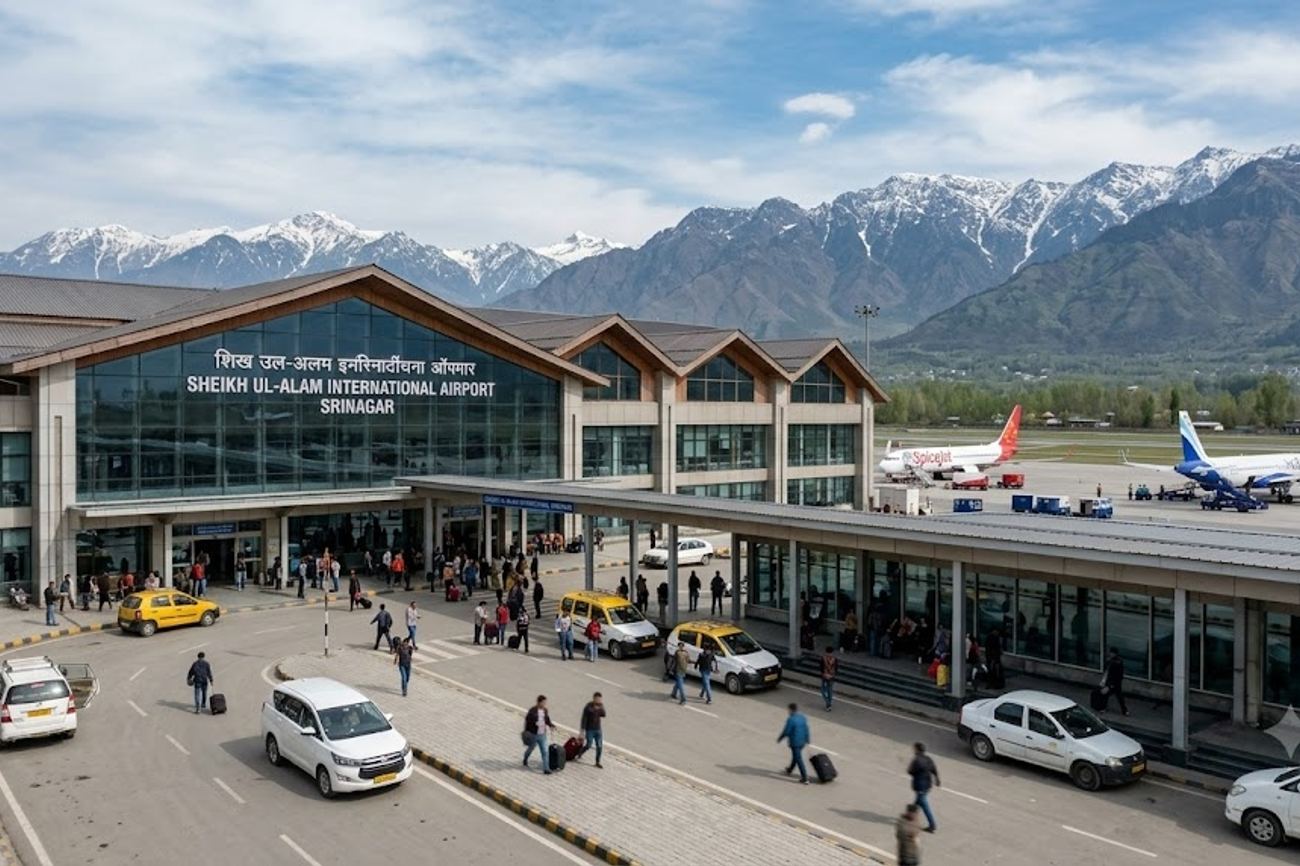
Image generated by AI
[Srinagar, May 2024] — The Airports Economic Regulatory Authority of India (AERA) has launched a formal assessment of airport tariffs for Srinagar International Airport to determine aeronautical charges for a five-year window spanning April 1, 2026, to March 31, 2031. This regulatory exercise, designated as the fourth control period, arrives as the facility prepares for a massive infrastructure overhaul aimed at transforming the gateway to Jammu and Kashmir.
The consultation process invites direct input from airlines, passenger associations, and airport operators to shape the pricing regime for the coming half-decade. While the review focuses on the fees airlines pay to utilize airport infrastructure, officials emphasize that these regulatory adjustments do not translate directly into immediate ticket price hikes for the general public. The process is governed by the Airports Economic Regulatory Authority of India Act, 2008, which mandates transparency and stakeholder engagement for airports designated as "major" by the Ministry of Civil Aviation.
The Catalyst for Tariff Review
The initiation of this five-year tariff cycle is timed to align with a period of unprecedented growth for the region's aviation sector. AERA is not merely adjusting numbers but is establishing a financial framework that allows the airport to recover costs associated with providing essential operational services and infrastructure.
The timing is strategic. As the airport transitions into a new phase of operational scale, the cost of maintaining high-standard aeronautical services must be balanced against the need to keep the region accessible. By opening a consultation window that includes both physical meetings and online participation, AERA is attempting to mitigate the risk of cost-push inflation within the regional aviation market.
Entities and Markets Impacted
The scope of this regulatory review extends beyond the airport administration, affecting a wide array of commercial and public stakeholders:
- Commercial Airlines: Carriers operating into Srinagar must evaluate how new landing and parking charges will impact their route profitability and long-term scheduling.
- Passenger Associations: Groups representing travelers are tasked with ensuring that the User Development Fee (UDF) remains reasonable.
- Tourism Operators: Businesses in Gulmarg, Pahalgam, and Sonamarg rely on the stability of air connectivity to maintain seasonal visitor flows.
- Regional Infrastructure Providers: Companies involved in the upcoming ₹1,677 crore expansion project.
- The Ministry of Civil Aviation: The overarching government body overseeing the strategic growth of the Jammu and Kashmir aviation corridor.
Practical Traveler Advisory and Strategic Insights
For the average passenger booking a flight to or from Srinagar, the current AERA activity is a backend regulatory process rather than a reason for immediate alarm regarding ticket costs. It is essential to distinguish between "airport charges" and "airfares."
The Plain-Language Breakdown: Airport charges are the "rent" and "service fees" airlines pay to the airport to land their planes and park them. Airfares, conversely, are the prices airlines charge you, which are influenced by fuel costs, demand, and competition. While a significant spike in airport fees could lead an airline to raise prices, it is not an automatic or linear relationship.
Direct Passenger Impacts:
- User Development Fee (UDF): This is the only airport charge passengers pay directly (usually embedded in the ticket). Any changes to the UDF during this review will be the most visible impact on a traveler's wallet.
- Service Quality: The tariff review is designed to fund the recovery of costs for better facilities. In the long run, this means shorter queues and better terminal amenities.
- Flight Availability: If tariffs remain competitive, airlines are more likely to add new routes or increase flight frequencies to the region.
The ₹1,677 Crore Expansion Roadmap
The tariff review is the financial precursor to a massive physical expansion approved by the Union Cabinet in February 2026. This project is designed to move Srinagar International Airport from a regional facility to a high-capacity hub.
The Airports Economic Regulatory Authority (AERA) has initiated the tariff-setting process for Srinagar Airport to establish a sustainable charge framework for the 2026–2031 period. This regulatory review ensures that aeronautical charges remain fair and transparent for operators managed by the Airports Authority of India.
The scale of the investment is significant, with ₹1,677 crore earmarked for a total transformation of the passenger experience. The center-piece of this project is a new terminal building covering 71,500 square metres. This expansion is not merely about size but about throughput; the goal is to push the annual passenger capacity up to 10 million people.
Current bottlenecks during peak tourism seasons—where the airport often struggles with surges in demand—will be addressed by increasing the peak-hour handling capacity to approximately 2,900 passengers. This ensures that the "tourism peaks" common in Kashmir do not result in systemic operational failures.
For those tracking the Ministry of Civil Aviation updates, this expansion represents a strategic move to integrate Jammu and Kashmir more deeply into the national and international travel grid.
Future Connectivity and Regional Outlook
The intersection of the AERA tariff decision and the physical expansion will dictate the trajectory of Kashmir tourism for the next decade. By stabilizing the cost of doing business for airlines while simultaneously increasing the number of passengers the airport can handle, the government is attempting to create a sustainable growth loop.
As the airport expands, it will likely attract a wider variety of carriers, potentially introducing more low-cost carrier (LCC) options which could drive down airfares through increased competition. Furthermore, the improved infrastructure will make Srinagar a more viable destination for international charter flights and high-yield business travel.
The next few years will see a transition from the current operational model to a high-capacity system. The final tariff decision issued by AERA will serve as the financial blueprint for this transition, ensuring that the airport remains solvent and modern without becoming a cost-prohibitive barrier to entry for the region.
FAQ: Srinagar Airport Tariffs 2026-2031
Will my flight tickets to Srinagar increase because of the AERA review? Not necessarily. AERA regulates the fees airlines pay the airport, not the ticket prices airlines charge you. While airlines may adjust prices based on their total costs, ticket rates are primarily driven by fuel prices and market demand.
What is the User Development Fee (UDF)? The UDF is a specific charge levied on passengers to fund the development and maintenance of airport infrastructure. Unlike aeronautical charges paid by airlines, the UDF is usually included in your ticket price.
How many passengers will the new terminal handle? The expansion project aims to increase the airport's annual capacity to 10 million passengers, with the ability to handle roughly 2,900 passengers during peak hours.
When do these new tariff regulations take effect? The new tariff regime determined by this assessment period will be active from April 1, 2026, through March 31, 2031.
A high-stakes balancing act between infrastructure ambition and operational affordability.
Related Travel Guides
Disclaimer
This article is for informational and educational purposes only. It does not constitute legal, financial, or professional advice. While we strive to provide accurate and up-to-date information, travel policies, regulations, and conditions change rapidly. Always verify information with official sources before making travel decisions. Nomad Lawyer makes no representations about the accuracy, reliability, completeness, or suitability of the information provided. Readers should consult qualified professionals for advice specific to their circumstances. The views expressed in this article are those of the author and do not necessarily reflect the views of Nomad Lawyer.
Naina Thakur
Contributor & Travel Specialist
Travel enthusiast and legal writer covering visa regulations, responsible tourism, and cultural journeys across global destinations.
Learn more about our team →