
SriLankan Airlines Trains Etihad Airways Examiners: A Shift Toward South Asian Aviation Hubs in 2026
SriLankan Airlines has successfully trained six senior Etihad Airways examiner pilots in an Airbus A330 LFUS programme, signaling a strategic shift toward establishing Sri Lanka as a regional aviation training center for international carriers.

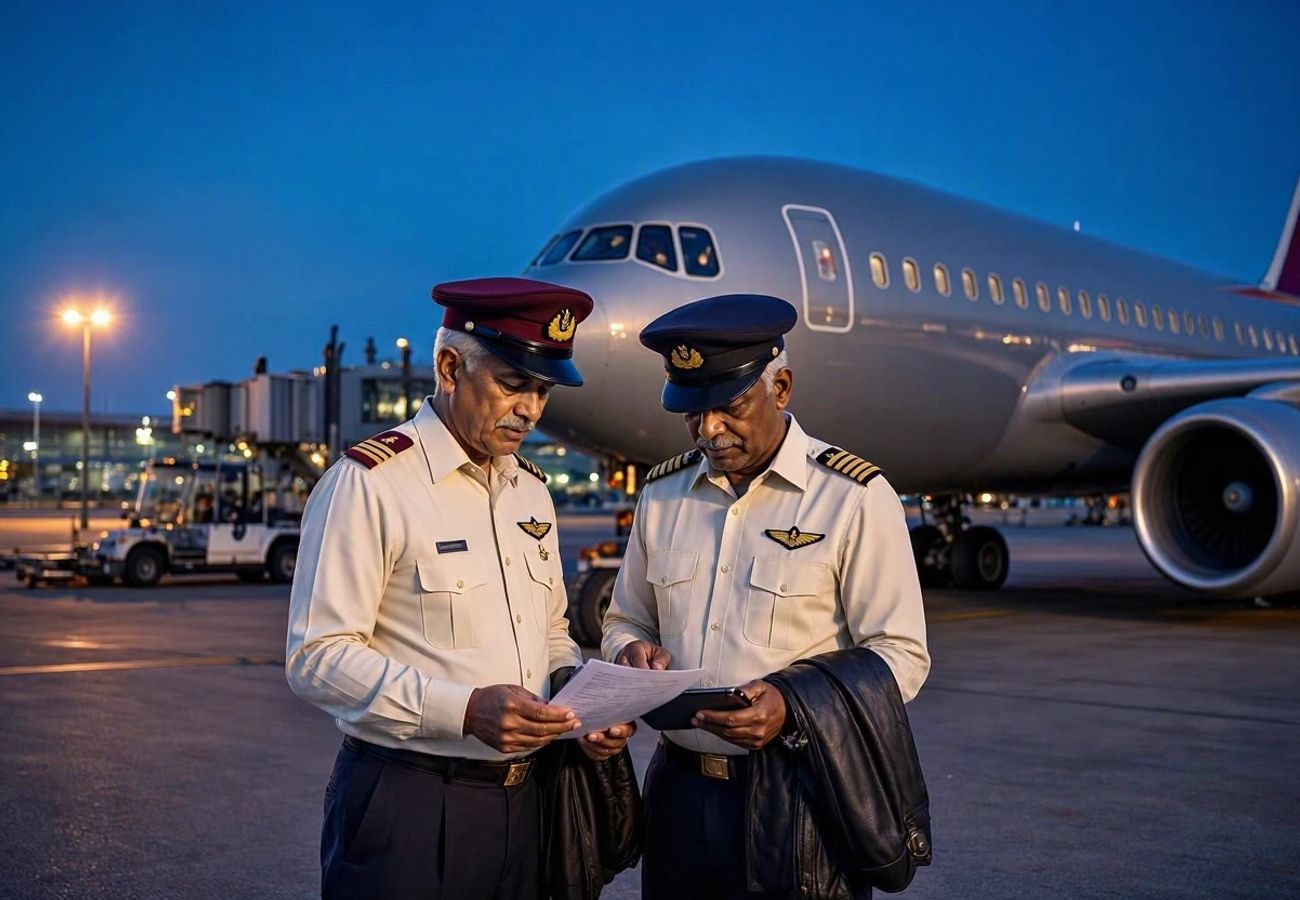
Image generated by AI
While traditional aviation training has historically centered on Western Europe and North America, the recent movement of elite flight crews to South Asia indicates a pivot in operational trust. The successful completion of a specialized Airbus A330 training program for six senior Etihad Airways pilots by SriLankan Airlines marks a shift from internal capacity building to the export of high-level technical expertise.
The Training Metrics: Airbus A330 LFUS Program
The collaboration focused on a Line Flying Under Supervision (LFUS) program, a rigorous phase of training that bridges the gap between simulator exercises and independent command. This was not a standard cadet program but a high-level certification effort involving the most senior tier of flight crew.
The cohort consisted of six elite professionals from Etihad Airways:
- 5 Type Rating Examiners (TREs)
- 1 Senior Type Rating Examiner (STRE)
The deployment of these specific roles is significant. TREs and STREs are the individuals responsible for certifying other pilots; for Etihad to entrust their examiners to SriLankan Airlines demonstrates a high level of confidence in the instructional quality and safety standards of the Sri Lankan carrier. This initiative utilized SriLankan Airlines' existing Airbus A330 fleet and infrastructure, transforming a cost center (internal training) into a potential revenue-generating service for international partners.
Regional Benchmarks and Aviation Infrastructure
The transition of Sri Lanka toward a regional training hub is not an isolated event but aligns with broader efforts by the International Air Transport Association (IATA) to distribute technical expertise across emerging markets. Historically, carriers in the Middle East and Asia relied on the aircraft manufacturers' hubs in Toulouse or Seattle. However, the rise of regional "centers of excellence" reduces downtime and operational costs for airlines.
The logistical success of this program required a multi-agency framework. SriLankan Airlines coordinated with the Civil Aviation Authority of Sri Lanka (CAASL), the Ministry of Defence, and other government stakeholders to secure the necessary clearances and regulatory frameworks.
Comparative Capability Analysis: Training Integration
| Metric | Standard Internal Training | International Partner Training (Etihad/SriLankan) |
|---|---|---|
| Target Audience | Internal Flight Crew | Foreign Type Rating Examiners (TRE/STRE) |
| Program Type | Routine Certification | Specialized LFUS (Line Flying Under Supervision) |
| Regulatory Scope | National (CAASL) | International / Cross-Carrier Coordination |
| Resource Use | Fleet Maintenance | Fleet as an Educational Asset |
| Strategic Goal | Operational Readiness | Regional Hub Positioning |
What This Means for Travelers
While pilot training happens behind the scenes, these developments have direct implications for the passenger experience and ticket pricing.
- Increased Reliability: When airlines share training resources and examiners, it leads to a standardization of safety protocols across carriers. Travelers flying between the Middle East and South Asia can expect a more homogenized level of cockpit expertise.
- Route Expansion Potential: The move to establish a training hub often precedes the expansion of flight frequencies. As SriLankan Airlines proves its capacity to handle international technical standards, it becomes a more attractive partner for codeshare agreements and joint ventures.
- Long-term Cost Stability: By developing regional training hubs, airlines reduce the massive expense of sending crews to Europe or North America. Over time, these operational savings can mitigate the aggressive rise in transatlantic or transcontinental airfares.
For those planning travel to Colombo in 2027, expect an increase in aviation-related business travel and a potential surge in high-end hospitality demand as the city attracts more international technical professionals.
Projection: The Rise of the South Asian Aviation Hub
Based on the trajectory established by Captain Chaminda De Zoysa, Head of Flight Operations at SriLankan Airlines, this engagement is a proof-of-concept rather than a one-off event. The ambition is to transition SriLankan Airlines from a national carrier into a regional partner providing specialized instruction to overseas airlines.
If this trend continues, we can expect a shift in how the World Tourism Organization (UNWTO) views Sri Lanka—not just as a leisure destination but as a technical node in the global aviation network. The ability to attract a carrier as prestigious as Etihad Airways suggests that Sri Lanka's aviation infrastructure is now meeting the stringent requirements of the world's leading airlines.
FAQ: Sri Lanka Aviation Training 2026
Will this training partnership lead to more flights between UAE and Sri Lanka? While not explicitly announced, the strengthening of professional ties and technical cooperation usually creates a foundation for increased commercial capacity and more frequent flight schedules between the two regions.
Does this mean SriLankan Airlines is now a certified global training center? The airline has demonstrated the capability to host elite examiners, but it is currently positioned as a "regional partner" with the ambition to become a hub, rather than a permanently certified global academy.
How does LFUS training affect flight safety for passengers? LFUS (Line Flying Under Supervision) is a gold-standard safety measure. It ensures that even the most senior examiners are fully integrated into the specific operational environment of the aircraft and region before taking full command.
The migration of elite aviation expertise to Colombo signals a new era of technical autonomy for South Asian carriers.
Related Travel Guides
Disclaimer
This article is for informational and educational purposes only. It does not constitute legal, financial, or professional advice. While we strive to provide accurate and up-to-date information, travel policies, regulations, and conditions change rapidly. Always verify information with official sources before making travel decisions. Nomad Lawyer makes no representations about the accuracy, reliability, completeness, or suitability of the information provided. Readers should consult qualified professionals for advice specific to their circumstances. The views expressed in this article are those of the author and do not necessarily reflect the views of Nomad Lawyer.
Preeti Gunjan
Contributor & Community Manager
A passionate traveller and community builder. Preeti helps grow the Nomad Lawyer community, fostering engagement and bringing the reader experience to life.
Learn more about our team →